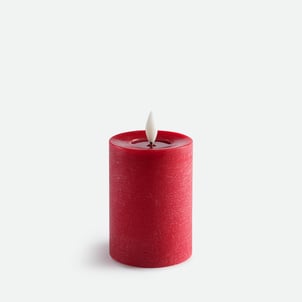

When afternoons grow shorter, candlelight can make an ordinary evening feel more inviting. The trick is not to fill every surface with candles, but to choose the right format and give it a sensible place in your home. You might want an unscented candle for dinner, a gentle fragrance while you unwind, or a battery-operated glow where a flame would be unsuitable. This guide explains how to make those choices, arrange candles safely and build a cosy atmosphere through autumn and winter. You will also find practical checks for choosing online, so an appealing photograph becomes a useful purchase rather than a disappointing guess.
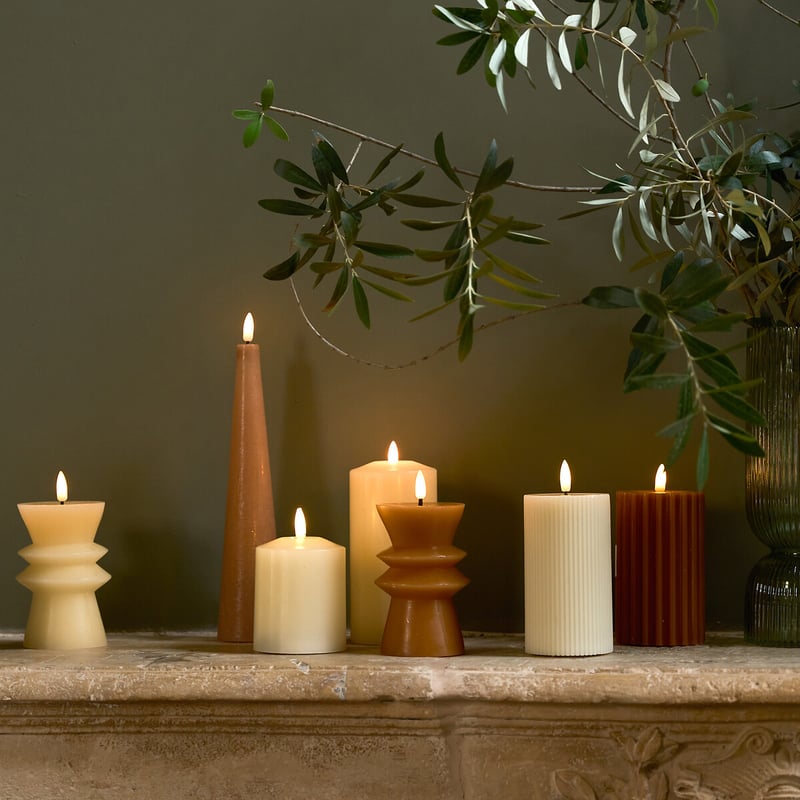
Which candle format suits your evenings?
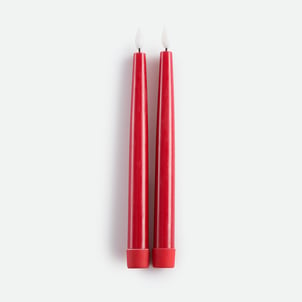
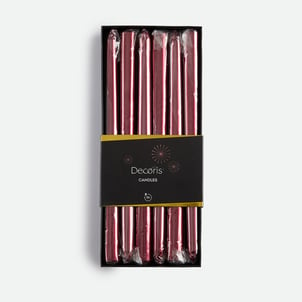
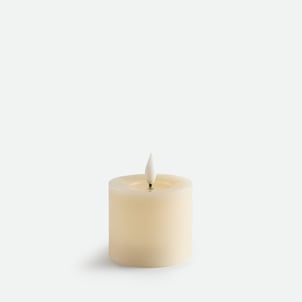
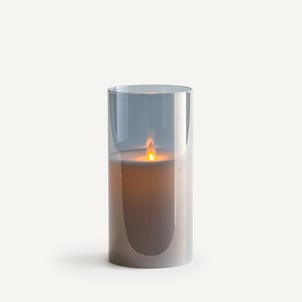
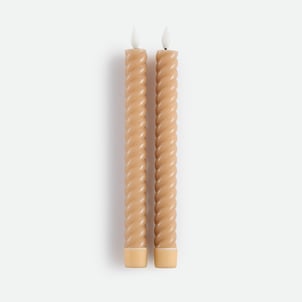
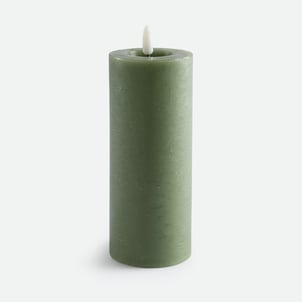
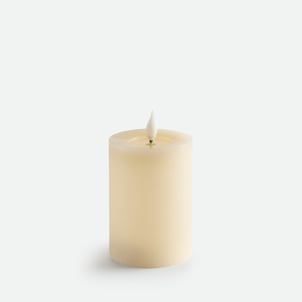
Begin with how you spend evenings, rather than the shape you like best. If you usually light a candle while eating, an unscented taper keeps fragrance away from food and leaves more of the table visible. It needs a properly fitting candleholder, however, so consider the complete arrangement before choosing. A pillar gives a broader block of colour and can suit a simple display, but it still needs a suitable heat-resistant base. A candle poured into a container keeps the wax contained during normal use; that does not mean the outside stays cool or that it can stand directly on any surface. Think next about the holder and surface. A taper should sit upright without wobbling, and its base must fit the holder securely. Do not improvise with paper or other flammable packing to make a loose candle fit. For a pillar, choose a holder intended for its shape and wide enough to catch any wax that runs down. With a container candle, read the instructions about the surface beneath it and whether a separate protective base is needed. Check the container before each use, and stop using it if it is cracked or damaged. These checks matter more than matching every candle to the same decorative style. A battery-operated candle is worth considering when a flame is unsuitable. It can provide a gentle light on a display shelf or during an evening when you are moving between rooms and cannot watch a burning candle continuously. Some versions have a moving flame effect; others give a steady glow. Neither is inherently better: choose according to whether you enjoy visible flicker. Check whether batteries are included, how you reach the switch and whether a timer is available. Where children are present, make sure the battery compartment closes securely and remains inaccessible to them. Treat a wax-covered battery candle gently, and follow its storage instructions.

Where should you place candles safely?
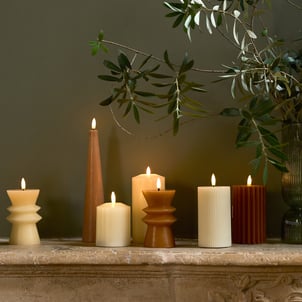
Choose a safe position first, then decide how the arrangement will look. A burning candle needs a stable, level, heat-resistant surface away from anything that could catch fire. Follow its instructions for clearance around and above the flame, including space from other candles. Keep it out of reach of children and pets, and away from places where a sleeve, bag or passing hand could knock it. Never leave it burning unattended, and extinguish it before you leave the room or go to sleep. If the only attractive spot fails those checks, change the location or use a battery-operated version instead. Once the position is suitable, build a clear visual group. You do not need a crowded display to make candlelight noticeable. A single substantial candle can give your eye somewhere to settle, while a loose group can suit a longer surface if every flame retains its required clearance. Let differences in height come from suitable holders or the candles themselves, not from balancing them on unstable objects. Keep photo frames outside the candle’s safety clearance, rather than tucking a flame between them. Judge the arrangement from your usual seat as well as from the doorway: overlapping shapes may look attractive standing up but obscure the flame when you sit down. Be especially cautious near a window. Draughts can make a flame flicker excessively, and curtains or blinds may move into its path. A sill is not automatically a suitable candle position simply because the glow looks inviting from outside. Avoid open windows, moving fabrics and narrow ledges; a battery-operated candle is a more practical option when these risks cannot be removed. Elsewhere, check what happens during normal use of the room. Does someone reach across the display? Does a door swing nearby? Leave room for movement so the arrangement works during a busy evening, not just while everything is still.
What makes candlelight feel warm through winter?
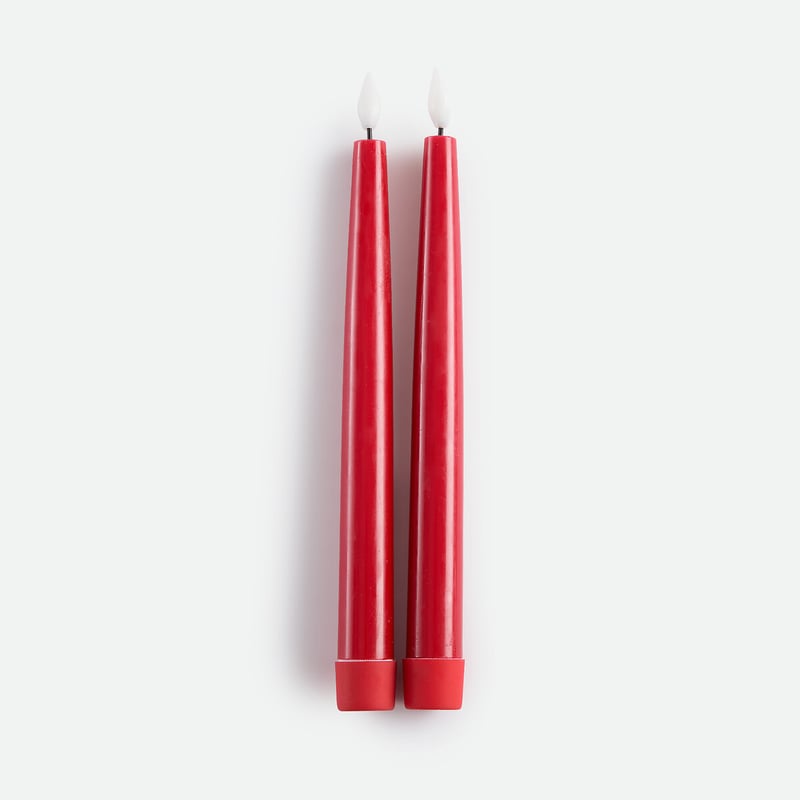
For a warm atmosphere, start with a restrained colour palette. Candlelight already brings movement and changing shadows, so the candles do not need several competing colours to feel interesting. Cream, soft brown or muted red can each work as a starting point; choose the shade you enjoy seeing in daylight as well as after dark. Repeating a colour across different candle shapes creates a connection without requiring identical pieces. If you prefer stronger contrasts, keep the shapes simple so the arrangement remains easy to read. The useful test is whether you still like the candles when they are unlit, because that is how they will look for much of the day. Treat fragrance as a separate sensory choice, not an automatic part of the display. Unscented candles let you enjoy the light without adding another smell, which is especially helpful around food or when someone dislikes fragrance. If you prefer scented candles, begin with one fragrance rather than burning several different ones together. Descriptions such as woody, spicy or floral suggest a direction, but they cannot tell you exactly how strong a candle will seem in your room. Room size, ventilation and personal sensitivity all affect your experience. If a scent becomes uncomfortable, extinguish the candle and ventilate the room rather than trying to cover it with another fragrance. Let the arrangement follow your evening routine as winter progresses. During dinner, one carefully positioned candle may be more useful than a display that interrupts conversation or leaves nowhere for serving dishes. Later, a candle within sight of your usual seat can make the light feel more present without adding more flames. Notice whether you enjoy a lively flicker or find it distracting when reading or watching television. A battery-operated version with a steady glow may suit the latter better. You can also change the mood by removing elements: fewer colours, an unscented candle or a simpler grouping may feel more comfortable than continually adding seasonal details.
How do you choose candles online with confidence?
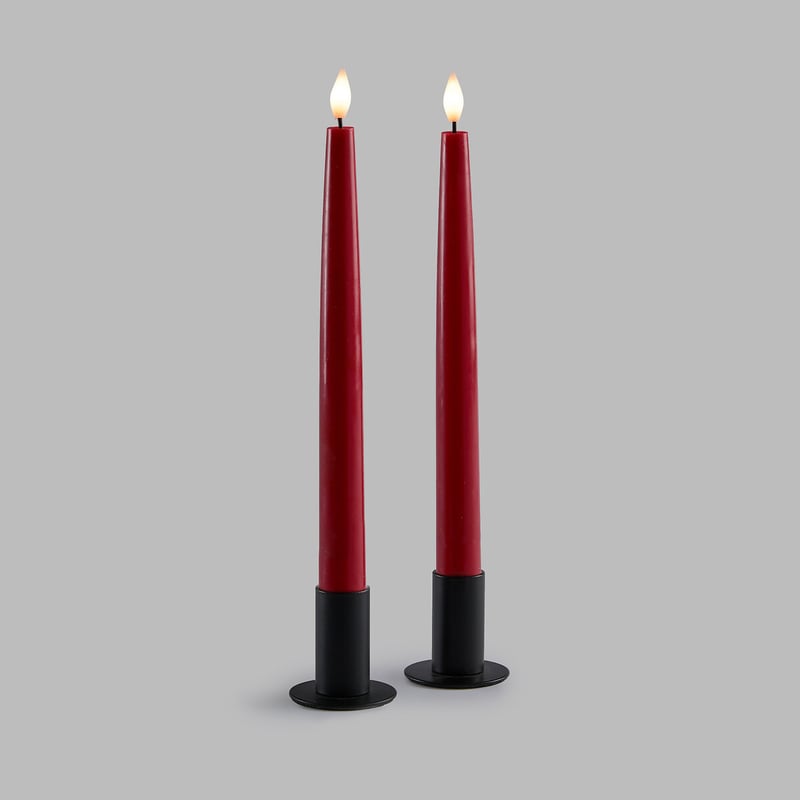
Before you explore the options available, check the practical details against the place you have chosen. Measure the usable space and, if you already have a holder, check the candle size it accepts. Photographs can make a small candle look substantial, particularly when there is nothing familiar beside it for scale. Read the stated dimensions rather than relying on the image alone. For a container candle, check whether the listed size refers to the whole vessel. For a taper or pillar, compare its base with the holder’s requirements. Select a format that fits safely before narrowing your choice by colour, fragrance or decorative finish. Use the page controls to inspect rather than simply skim. On a touch device, swipe through product photographs if the gallery supports these gestures, looking for views of the base, opening and unlit candle. Keyboard users can use the arrows to move through suggestions where autocomplete is offered, then press Enter to confirm the intended search. Review the results for the specific format you need, rather than assuming every similar-looking item works in the same way. Look beyond the photograph: an image may suggest an atmosphere, but it cannot establish a candle’s scent strength, surface temperature or suitability for your existing holder. Finally, read the burning instructions before deciding whether a candle suits your routine. Check any guidance on wick trimming, burning sessions and when to stop using it. A large candle may be less convenient if you only want brief periods of candlelight; follow its stated guidance rather than leaving it alight longer to achieve a particular appearance. Where a burning time is given, treat it as an estimate, not a promise independent of conditions. Customer comments may help you understand appearance or perceived fragrance, but they do not replace the safety instructions. Once it arrives, keep those instructions, check for damage and make your first use an attentive one.