Start with fit, then build your look
When you are choosing a skirt, the first thing to get right is fit. A beautiful print, a flattering colour or a good price can catch your eye, but if the waist pinches, the hem rides up or the fabric feels awkward when you walk, it will stay in your wardrobe instead of becoming part of your weekly rotation. That is why we suggest starting with the details that affect wearability every day: where the waistband sits, how the fabric moves, how much room you have through the hips and what length works with your plans.
Skirts can be one of the easiest pieces to wear when you choose the right shape for your body and your routine. A midi skirt can work for office days, a mini can be great for relaxed weekends, and a maxi can feel easy and comfortable on warm days. If you want more coverage with the freedom to move, a skort is also worth considering. The key is not to chase one trend or one silhouette. Instead, think about how you sit, walk, commute and dress from morning to evening.
How to choose the right skirt shape for your day
The easiest way to narrow down skirts is to match the silhouette to the way you will wear it. If you spend long hours seated, a rigid waistband may feel restrictive by lunchtime. If you walk a lot, a very narrow cut may pull across the thighs. Looking at shape first helps you avoid returns and gives you a clearer idea of what will actually earn its place in your wardrobe.
Mini skirts for easy, casual wear
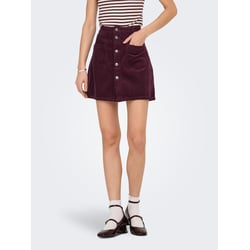
A mini skirt works best when you want a simple, leg-lengthening look and easy styling. For comfort, check where it sits on your waist and whether it stays in place when you move. A-line mini shapes are often easier to wear than very tight bodycon styles because they give a little more room through the hips and upper thighs. If you are planning a full day out, soft fabrics such as cotton blends or denim can feel more practical than delicate materials that crease quickly.
For a real-life example, wear a denim mini skirt with trainers for weekend errands. You get a casual look that feels relaxed, and the shorter hem works well when you are walking between shops, carrying bags or hopping on public transport. Add a simple T-shirt, a cross-body bag and, if the weather cools down, one of our hoodies & sweatshirts for women. This kind of outfit keeps the focus on comfort without losing style.
Midi skirts for balance and versatility
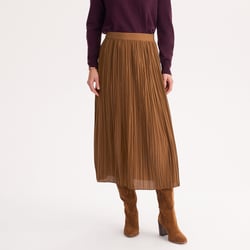
Midi skirts sit in the sweet spot between polished and easy. They offer more coverage than a mini, but they are usually lighter and less sweeping than a maxi. If you are unsure where to start, a midi is often the most adaptable option. Pleated styles give movement, straight cuts create a cleaner line and wrap shapes let you adjust the fit slightly through the waist.
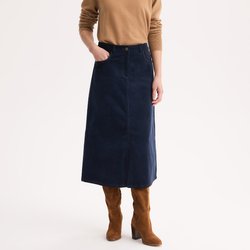
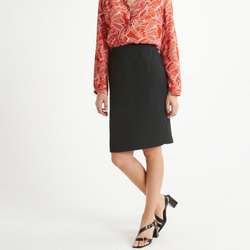
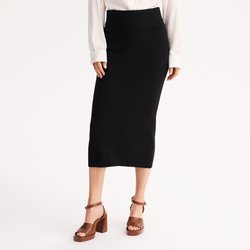
For work, pair a pleated midi skirt with a blouse for office meetings. This combination looks smart, but it also works practically: pleats allow movement when you sit, stand and walk, and a fluid blouse balances the shape without feeling stiff. A black midi is especially useful if you want one piece that works with loafers, ankle boots or low heels. If you enjoy mixing labels, you can style it with pieces from women's clothing vero moda for a clean everyday wardrobe or add a sharper jacket from women's clothing ikks.
Maxi skirts for coverage and movement
Maxi skirts are a strong choice when you want comfort, fluid movement and a little more coverage. They are especially useful on warm days when you want airiness without showing too much leg. A flared maxi often feels easier to walk in than a straight column shape, so always check the cut as well as the length. If you are petite, look for a high waist to help define your proportions. If you are taller, a fuller maxi can carry bold print and volume very well.
Style a floral maxi skirt for casual brunches and park walks if you want something soft and easy to wear. Flat sandals or clean trainers keep the outfit grounded, while a fitted vest or tucked tee stops the silhouette from feeling too loose. At La Redoute, the Polka Dot Print Buttoned Maxi Skirt, in ecru polka dots from LA REDOUTE COLLECTIONS, shows how a flared cut and a lively print can make a buttoned maxi a strong summer option for regular wear, not just holidays.
Fit details that make a real difference
Two skirts can look similar on screen but feel completely different once you try them on. Paying attention to the practical details will help you choose more confidently before checkout.
- Waistband position: High-rise styles can define the waist and work well with tucked tops, while mid-rise options may feel more relaxed for all-day wear.
- Hip room: If the fabric pulls across the hips, the skirt may ride up as you walk. Look for a cut that skims rather than clings.
- Fabric movement: Pleats, slits and flared shapes can make a skirt easier to move in, especially for commuting or busy days.
- Lining: A lined skirt can hang better and feel more comfortable, especially in lighter colours.
- Fastening: Side zips, buttons and elasticated waists all affect comfort. Choose according to how structured or flexible you want the fit to be.
If you often find skirts awkward at the waist but loose elsewhere, wrap styles or softly elasticated backs can be useful. If you prefer a cleaner line, a fixed waistband with a side zip may suit you better. The best option depends on whether you prioritise structure, flexibility or a bit of both.
Which fabrics and finishes suit your routine?
Fabric changes how a skirt feels and how often you will reach for it. Cotton skirts are a dependable choice for day-to-day wear because they tend to feel breathable and easy to style. Denim is practical for casual outfits and works well in mini and midi lengths. Satin or viscose can give more drape, which is useful if you want a softer line around the hips.
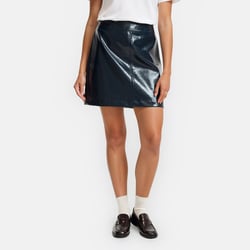
If you like a stronger fashion edge, a faux leather or leather look skirt can add structure to your outfit. A black faux skirt with tights and ankle boots works well for dinners, events or office-to-evening plans. Brown tones can feel softer than black and pair easily with cream knitwear, tan boots or a simple white shirt. When you are shopping online, think about what the fabric means in practice: does it crease easily, does it have stretch, and will it suit the season you are buying for?
Choosing colours and prints you will actually wear
Many shoppers start with shape, then hesitate over colours. The easiest way to decide is to check what tops and shoes you already wear most often. If your wardrobe is built around white shirts, fine knitwear and neutral trainers, a black, navy or brown skirt will probably work harder for you than a very bright shade. If you prefer simple tops, a print can do the styling work for you.
Print choice also affects silhouette. Small polka dots, ditsy florals and subtle stripes usually feel easy to mix with basics. Large motifs draw more attention and can make the skirt the main focus of the outfit. If you want a practical route into print, start with a midi or maxi in one or two colours that echo pieces already in your wardrobe. That gives you more outfit options and helps the skirt earn repeat wear.
For a more directional look, you can combine a printed skirt with a streamlined top from women's clothing the kooples. If you prefer softer everyday dressing, browse women's clothing sans complexe for pieces that support comfort and easy layering.
How to find the most flattering silhouette for your body shape
The most flattering skirt is usually the one that follows your shape without fighting it. If you are curvier through the hips, an A-line or gently flared midi can skim the body and feel comfortable when walking. If you have straighter proportions, pleats, ruffles or button-front details can add dimension. If your waist is your favourite feature, high-waisted skirts make it easier to define.
Length matters too. Minis can lengthen the leg visually, especially with shoes close to your skin tone or with bare legs in warmer weather. Midis can balance the body well, particularly when the hem lands at a slimmer part of the calf rather than the widest point. Maxis can create a long line, but they should not drag underfoot. If you are between lengths, think about your footwear: trainers, boots and sandals all change how the hem sits and how practical the skirt feels.
What to check before adding a skirt to your basket
Before you buy, run through a few practical questions. Can you sit comfortably? Will you need shapewear to make it feel wearable, or does it already fit properly on its own? Does the colour work with at least three tops you own? Is the hem suitable for your commute, your workplace or your weekend plans? These checks are often more useful than focusing only on trend-led styling.
It also helps to weigh up price against frequency of wear. A simple black midi or a denim mini may become a regular item, so the value can be strong even if the initial price is a little higher than a one-off occasion piece. On the other hand, if you are buying a bold print or a faux leather finish, think about whether it fills a gap in your wardrobe or overlaps with something you already own. Selling trends change quickly, but a skirt that feels good and fits well keeps its place much longer.
What you need to know before buying
Is it better to size up or down in skirts?
In most cases, it is better to choose the size that fits your waist and hips properly rather than automatically sizing up or down. With skirts, the right answer depends on the cut, the fabric and where the waistband is meant to sit. If a skirt has a fixed waistband and no stretch, sizing up can help if you are between sizes or if you need more room through the hips. But if you size up too much, the waistband may gap, the skirt may twist as you walk and the silhouette can lose shape. Sizing down is usually less forgiving, especially in fitted mini or pencil-inspired styles, because it can cause pulling, riding up and discomfort after a few hours of wear.
A practical way to decide is to check these points:
- Choose your usual size first if the skirt has an elasticated waist, pleats or a flared cut.
- Consider sizing up if the fabric is rigid, such as structured denim or faux leather, and you are between sizes.
- Avoid sizing down in a midi or maxi with a fixed waist, because sitting and walking will quickly show if it is too tight.
For example, if you are buying a pleated midi skirt for office meetings, you want enough room to sit comfortably at your desk and move easily between appointments. If the waistband digs in when you sit, sizing up may be the better option. If you are buying a denim mini for weekend errands and the waist slips down when you walk, the size is too big even if it felt fine standing still. The main pitfall is choosing based only on how the skirt looks in a mirror for two minutes. Think about a whole day of movement, sitting and layering, and you will make a better choice.