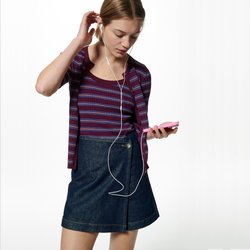
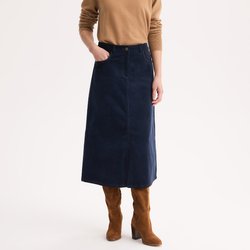
Denim skirt fit starts with the waist, hips and how you move
Buying a denim skirt is rarely just about colour or trend. The real difference between a skirt you wear every week and one that stays in the wardrobe comes down to fit, shape and wearability. When the waist sits well, the hips feel comfortable and the length works with your routine, the skirt becomes easy to style for real life. You can wear it for a casual weekend brunch outfit with a fitted denim skirt, pair a denim skirt with sneakers for errands and coffee runs, or style a denim skirt with a blouse for relaxed office Fridays without feeling restricted.
Unlike softer fabrics, denim has more structure, so every detail matters: where the waistband sits, whether the fabric has stretch, how the hem hits the leg, and whether a split helps you walk with ease. If you are choosing between a mini, midi or maxi style, think first about how you will sit, bend, commute and move through the day. A skirt may look great on a hanger, but if it pulls across the hips or feels too stiff at the knee, you will notice it within minutes of wearing it.
That is why practical denim fit guidance matters. You are not only choosing a shape; you are choosing how the skirt will behave from morning to evening. A neat A-line can feel easy and flattering, while a straight cut can look sharp but may need a front or back split for comfort. A fitted style can work beautifully too, especially if the fabric includes cotton with a little stretch, giving you a cleaner line without feeling rigid.
What to check before you buy
Start with the waistband. A denim skirt should sit securely without digging in when you sit down. If the waist feels fine standing up but pinches when seated, the size or rise may not be right for you. A high waisted denim skirt often gives a defined shape and can feel supportive, especially if you like to tuck in a knit, T-shirt or blouse. If you prefer a more relaxed feel around the middle, a regular rise may suit your everyday wardrobe better.
Next, look at the hips and upper thigh area. Denim should skim rather than strain. If the fabric pulls horizontally from the hip to the pocket, that is usually a sign the skirt is too tight in that area. On the other hand, too much extra fabric can create bulk and make the shape feel less polished. This is particularly noticeable in straight skirts and fitted midi styles.
The hemline matters just as much. A knee or midi skirt changes the balance of your outfit, so try to picture it with the shoes you wear most often. If you live in trainers, a midi can feel modern and easy. If you prefer ankle boots, a mini or knee-length line may feel more balanced. For warmer days, a blue denim skirt with sandals is straightforward and versatile. For cooler weather, the same skirt can work with tights and a fine knit.
- Check whether the waistband gaps at the back when you move.
- Look for enough room at the hips to sit comfortably.
- Consider whether a split is needed for walking, cycling or commuting.
- Choose a length that works with your most-worn shoes.
- Read reviews to see if the fit comes up small, regular or roomy.
Choosing the right silhouette for your shape
No single silhouette suits every woman in exactly the same way, which is why body shape guidance is useful when shopping for a denim skirt fit that feels right. If you like more definition at the waist, styles that sit close at the middle and gently open through the hem can create a balanced line. This includes subtle A-line cuts and pleated shapes. If you prefer a cleaner, straighter outline, a column skirt can look smart, especially in a dark blue wash.
For curvier hips, a skirt with a little stretch often feels more comfortable than rigid denim. It follows your shape without pulling too tightly across the front. A front seam or button-through detail can also help create a vertical line, which many women find visually lengthening. If your frame is straighter, a skirt with patch pockets, a slight flare or a cargo-inspired detail can add shape and interest.
If you usually wear tailored pieces, you may also compare your denim options with other materials. For example, if you already own a long leather skirt for evenings or a faux leather skirt for smart outfits, a denim version can bring a more relaxed feel to your wardrobe while still offering structure. If you enjoy softer, wrapped silhouettes, a wrapover skirt can feel different from denim but useful as a comparison point when deciding how much shape or movement you want.
Colour affects the look too. A classic blue wash often highlights the jean-inspired details, while deeper shades can look slightly dressier. Lighter untreated denim tends to feel casual and easy for daytime. According to our catalogue, the Full Pleated denim midi skirt, untreated blue, LA REDOUTE COLLECTIONS takes its inspiration from authentic jeans with a touch of western chic, making it a strong option if you want the familiarity of denim with more movement through the skirt.
Mini, midi or maxi: how to pick the best length
Length is one of the biggest buying decisions because it changes both the look and the practicality of your skirt. A mini denim skirt can feel youthful, simple and easy to wear in warm weather. It works well for weekends, holidays and casual daytime plans. If you like to move quickly, climb stairs often or commute on public transport, check that the mini still gives enough coverage when sitting down.
A midi length selection is often the most versatile for everyday wear. It offers coverage, works across seasons and can be styled in many ways. For a casual weekend brunch outfit with a fitted denim skirt, a midi style with a front split, ribbed top and loafers feels put together without trying too hard. For errands and coffee runs, pair a denim skirt with sneakers and a sweatshirt; the outfit stays practical while still looking considered.
A maxi denim skirt gives more coverage and can create a strong silhouette, but it needs the right cut. If the fabric is heavy and there is no split, walking can feel awkward. A maxi works best when there is enough room through the hem or a slit that adds movement. If you are petite, a long style can still work, but pay attention to where it falls on the ankle and whether it overwhelms your frame.
As you browse, it can help to compare lengths with styles outside denim too. An orange midi skirt may show you how a mid-calf hem works with your shoes, while a structured denim version will sit and move differently because the fabric has more body.
Fabric, stretch and everyday comfort
Not all denim feels the same. Some skirts are made from 100% cotton, giving that authentic jean feel with a firmer structure. Others include stretch fibres, which can make a fitted shape much easier to wear. Neither is better in every case; it depends on what you want from the skirt.
If you like a clean, vintage-inspired look, rigid cotton denim can be a good choice. It often holds its line well and can feel supportive through the waist and hips. The trade-off is that it may take a little time to soften with wear. If your schedule includes walking to work, sitting at a desk and heading out afterwards, a small amount of stretch can make a noticeable difference by reducing pulling at the knee and upper thigh.
Also check practical details such as the pocket placement. Pockets set too wide can visually broaden the hip area, while well-placed back pockets can balance the shape. Button fronts, belt loops and visible seams also affect the look. If you are considering a cargo denim skirt, remember that side pockets add volume, which can be useful if you want a more casual, utility-inspired outfit but less ideal if you prefer a sleeker finish.
How to wear a denim skirt in real life
The best skirt is one that fits into your routine. For a casual weekend brunch outfit with a fitted denim skirt, try a midi style in blue denim with a tucked-in jersey top and flat sandals. The fitted shape feels neat, while the denim keeps the outfit relaxed. If the skirt has a front split, it will also be easier to walk in when you are heading between cafés and shops.
For everyday errands, pair a denim skirt with sneakers for errands and coffee runs. A regular-fit tee, cross-body bag and a knee-length or midi skirt keep the look simple and comfortable. This is where fabric matters: if you spend the day in and out of the car or carrying shopping, a little stretch helps the skirt move with you.
For work, style a denim skirt with a blouse for relaxed office Fridays. A darker blue or clean untreated wash usually looks smarter than a heavily faded finish. Add loafers or ankle boots, and check that the silhouette is polished enough for your workplace. A straight midi with a split can strike the right balance between comfort and structure.
Price matters too, but think beyond the initial price tag. A denim skirt that fits well, washes well and works across several outfits often gives better value than a cheaper option that never feels quite right. During a sale, it can be tempting to choose quickly, but it is still worth checking the fit notes, fabric composition and reviews before you buy.
Care, washing and keeping the fit looking good
Denim skirts do not need harsh washing to stay fresh. In fact, over-washing can affect colour and shape. Check the care label first, especially if the fabric contains stretch. Washing at a lower temperature and turning the skirt inside out can help preserve the blue tone and reduce visible wear along seams.
If your skirt is untreated or dark blue, wash it separately the first few times to avoid colour transfer. Avoid over-drying, as this can make the fabric feel stiffer and may affect the fit, especially around the waist. If you like the skirt to keep its shape, smooth the waistband and seams while it is still damp before leaving it to dry naturally.
For women choosing a fitted denim skirt, good care also helps maintain comfort. A skirt that has been overheated in the dryer may feel tighter through the hips and knee the next time you put it on. Reading reviews can be useful here too, as shoppers often mention whether the fabric softens nicely or stays firm after washing.
What you need to know before buying
What body type looks good in a denim skirt?
A denim skirt can suit many body shapes because the key factor is not body type alone, but how the cut works with your waist, hips and preferred length. If you have a defined waist, styles that sit neatly at the middle and skim over the hips often feel balanced and flattering. If your shape is straighter, details such as patch pockets, pleats or a slight A-line can add dimension. If you are curvier through the hips or thighs, a midi skirt with stretch or a gentle flare can feel more comfortable and look smoother than a very rigid straight cut.
Rather than asking whether one silhouette is “right”, it helps to match the skirt to what you want to highlight and how you plan to wear it. For example, if you want a neat outfit for relaxed office Fridays, a regular straight midi in dark blue can look polished with a blouse. If you want something easy for coffee runs, a softer A-line shape with trainers may feel more natural.
- If you are petite, mini and knee lengths can keep proportions clear.
- If you want coverage, midi styles often feel easiest to wear day to day.
- If you have fuller hips, look for stretch and avoid overly stiff cuts with no split.
- If you prefer structure, choose cotton-rich denim with a defined waistband.
A common pitfall is choosing a shape based only on trend photos. A skirt may look great online, but if the pocket placement, rise or line does not suit your proportions, it may not feel as good in real life. A practical example: if a woman with fuller hips chooses a rigid pencil-style midi with no split, she may find walking uncomfortable and see pulling across the front. The same length in a slightly A-line cut or with a front split often solves the issue while keeping the same overall look.
How should a denim skirt fit?
A denim skirt should fit securely at the waist, sit smoothly over the hips and allow you to walk, sit and bend without strain. The waistband should stay in place without digging in. If it slides down, the skirt may be too big; if it leaves marks or feels restrictive after sitting for ten minutes, it may be too small or too rigid for your needs. Through the hips, the fabric should skim your shape rather than pull. Horizontal tension lines near the zip, button placket or pocket area usually mean the fit is too tight.
The right fit also depends on the style. A fitted mini should still let you sit comfortably. A midi pencil shape usually needs a split for movement. A maxi should not wrap around your legs when walking. If the skirt contains stretch, it may feel close at first and relax slightly with wear. If it is 100% cotton denim, expect a firmer feel and make sure it already allows enough movement when you try it on.
- Check the fit while standing, sitting and taking a few long steps.
- Make sure the waistband does not gap at the back.
- Look at the hip area for pulling or excess fabric.
- Confirm the length works with your usual shoes.
One mistake shoppers often make is focusing only on the front view. Try to think about the whole day: sitting at brunch, walking to the station, reaching for a bag, or climbing stairs. For example, if you buy a knee-length straight skirt for office Fridays, test whether the split gives enough room for your commute. If not, a similar skirt with a little stretch or a slightly wider line will probably get far more wear.