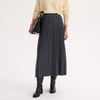
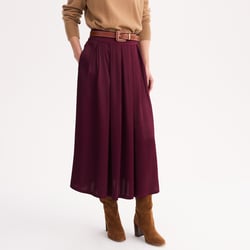
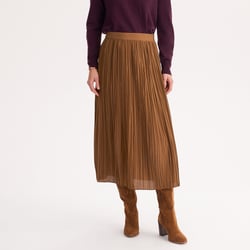
Choosing a maxi that moves with you
The appeal of a pleated skirt becomes clear when you walk: the folds open, the hem swings and the fabric settles back into place. In a longer style, that movement depends on more than the pleats themselves. Fabric weight, the way the waistband sits and the distance between the hem and your shoes all affect how comfortable the skirt feels during your day. A lightweight style might suit a park stroll, while a more substantial fabric can work better for a chilly commute.
When choosing a maxi skirt, start with the material, then consider fit and length before looking at care. This order helps you avoid buying a beautiful skirt that feels too warm, pulls across your hips or needs more maintenance than your routine allows. At La Redoute, we recommend reading the composition, measurements and care information together when you shop online, so you can picture how a style will work with the clothes and shoes you already wear.
Start with fabric and the movement you want
Lightweight fabrics for fluid folds
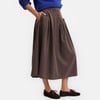
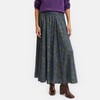
Fine woven fabrics tend to produce smaller, more fluid movements than heavy cloth. They can be useful when you want a long skirt that moves easily around your legs rather than holding a broad shape. Look closely at the product images: narrow, regular pleats usually create a different effect from wide folds, which open into larger panels as you walk.
A satin pleated skirt can bring a soft sheen to a simple outfit, making it useful for dinner with a fine knit and ankle boots. However, satin describes a fabric weave rather than a single fibre, so check the composition as well as the finish. The weight and fibre content affect warmth, creasing and care. For daylight wear, consider whether a pale fabric needs a lining, particularly if you plan to wear it with a tucked-in top.
Check the lining as well as the outer fabric. A close-fitting lining can restrict your stride even when the pleated outer layer looks generous. It can also affect how the skirt hangs over tights. If you regularly walk to work, take several normal steps when trying the skirt on rather than judging it only while standing still.
More substantial fabrics for cooler days
Wool and wool-blend skirts can offer warmth for office days and winter travel, although thicker fabric creates more volume where the pleats meet the waistband. If you prefer a neater outline under a coat, look for folds that are stitched down over the upper hip before opening lower down. This construction keeps the top section more controlled while allowing movement towards the hem.
Leather and leather-look options generally create a firmer shape than fine woven fabrics. They can work with a plain jumper and boots, but their weight and care requirements deserve attention before purchase. A kilt-inspired skirt may have an overlapping front, a side fastening or pleats concentrated at the back; these details can change coverage when you sit or climb stairs. Check the construction rather than assuming every pleated design behaves in the same way.
Find a fit that lets the pleats fall cleanly
Position the waistband before judging the shape
The waist position determines both comfort and the overall line of the skirt. A high waistband worn above your natural waist will make the same garment appear shorter than it does when worn lower. Use the product description to establish where the style is intended to sit, then measure around that point without pulling the tape tightly.
Pleats should fall without being pulled open at rest. If they spread noticeably across your hips while you are standing, compare the garment measurements with your own. A larger size may help, but the cut matters too: some styles have a fitted upper section, while others release their folds directly from the waistband. Try sitting down and bending gently to check that the fastening does not dig in.
An elastic waist pleated skirt can be practical for long working days or travel, when you want flexibility through the middle. Check whether the waistband is elasticated all the way around or only at the back. A flat front can sit smoothly beneath a tucked-in shirt, while a fully gathered band may create more fullness under a close-fitting top.
Balance volume with the clothes you wear
You do not need a fitted top with every pleated style, but it helps to decide where you want definition. With a full skirt, a short cardigan ending near the waistband leaves the folds visible. If you prefer a longer jumper, try a small front tuck, provided it does not create a bulky ridge beneath the waistband.
For the office, wear a high-waisted pleated skirt with loafers and a shirt tucked in smoothly. Sit at a table during your fitting check: the waistband should stay comfortable, and the pleats should settle when you stand again. If you want to add a belt, check for belt loops first and choose a width that does not push the waistband into folds.
Set the length around your everyday shoes
Give the hem enough clearance
A maxi-length silhouette can finish above the ankle or reach closer to the top of your foot, depending on the design and your height. Product photographs alone cannot establish where the hem will sit on you. Compare the stated length with a skirt you own, measuring from the same waistband position. Remember that a higher rise changes the final hem position.
Try the skirt with the shoes you will actually wear. A hem that clears heeled boots may drag when you switch to flat trainers. Walk forwards, turn and climb a step if possible. For daily commuting, leave enough clearance to avoid catching the hem beneath your heel or brushing it along wet pavements.
If you are considering alterations, ask about the pleat construction before buying. Shortening a pleated hem can involve more work than shortening a plain skirt, particularly where the pleats are permanently set or the edge has a special finish. A suitable petite or shorter-length option may be more straightforward than altering a floor-skimming style.
Use colour and length for specific outfits
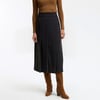
A black pleated maxi skirt works with a white T-shirt and flat sandals for a casual lunch, or with a lightweight knit and loafers for the office. Choose the fabric according to the setting: a matt finish keeps the outfit understated, while a lustrous surface catches more light during evening wear.
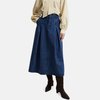
A navy maxi skirt offers another option with cream knitwear, a striped top or brown boots. Before buying, lay out the shoes and outerwear you plan to use. A long coat needs enough room to close over the skirt without compressing the pleats, especially if the fabric has a substantial weight.
If a longer hem feels awkward for a particular activity, consider a midi instead. Pair a midi pleated skirt with trainers for weekend errands, when you are stepping on and off buses or carrying shopping bags. A mini gives more leg clearance, but offers a different level of coverage when sitting. For a park stroll, style a lightweight pleated skirt with a tee and flat shoes, checking that the hem stays clear of the ground.
Plan for care before the first wear
Protect the pleats during washing and drying
Pleat retention depends on the fibre, fabric and manufacturing process, so there is no single washing method for all pleated skirts. Follow the garment’s care label rather than a general fabric rule. Some styles can be machine washed on a specified programme, while others require hand washing or professional cleaning. Check this before purchase if you need a skirt that fits into a regular home-washing routine.
- Use the washing temperature and spin settings stated on the label; a hotter wash can affect both size and pleat definition.
- Avoid wringing the fabric, which can introduce creases across the folds.
- Dry the skirt as directed, arranging the pleats gently rather than pulling them into a new shape.
- Check ironing instructions before applying heat, and avoid pressing across the folds.
- Store the skirt with the waistband supported and enough space around it to prevent crushing.
If the label permits steaming, test cautiously on an inconspicuous area and avoid stretching the fabric while it is warm and damp. Do not assume steam will restore every flattened pleat. For a style with a sharply defined finish, specialist advice may be safer than repeated ironing at home.
Material advice for your pleated skirt
Will 100% cotton work for pleated skirts?
Yes, 100% cotton can work for pleated skirts, particularly when you like a crisp shape and are comfortable with some ironing. Its suitability depends on the weave, weight and construction. A lightweight cotton may produce a softer, more relaxed fold, while a firmer woven cotton can hold a broader shape. Cotton is not usually heat-set into lasting pleats in the same way as suitable synthetic fabrics, so washing and wear can soften sharply pressed folds.
Look for stitched-down pleats if you want a more controlled upper section. Stitching helps maintain their position near the waist, although the free folds below may still need pressing. Before buying, consider these practical points:
- Check whether the care instructions allow the washing and ironing routine you can manage.
- Look for a lining or sufficient fabric density if you want coverage in bright daylight.
- Allow enough room through the hips so the folds are not pulled flat when you sit.
A common pitfall is expecting every cotton skirt to keep razor-sharp pleats straight from the wash. Another is choosing a heavy cotton without considering the extra volume at the waistband. For example, a cotton pleated maxi can suit a warm-day park stroll with a tee and sandals, but you may need to press the folds after laundering. If you want crisp pleats for several office outfits each week with less pressing, compare cotton with a suitable easy-care alternative and follow the individual garment instructions.