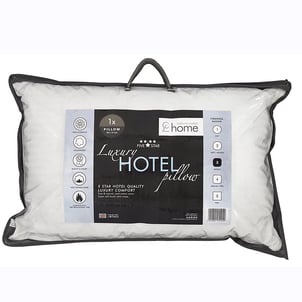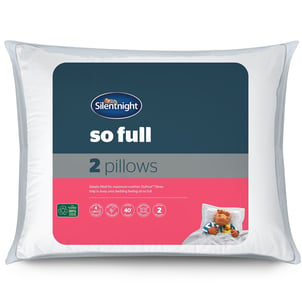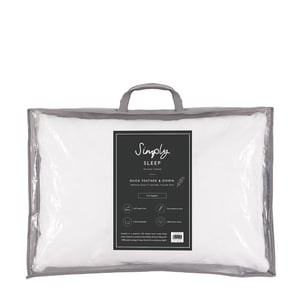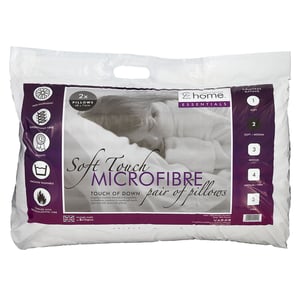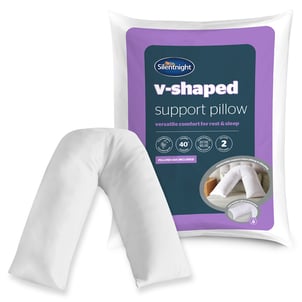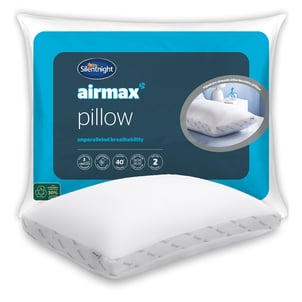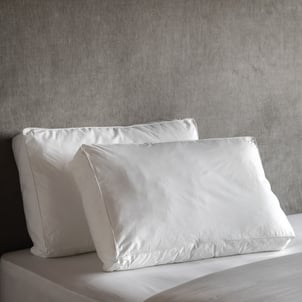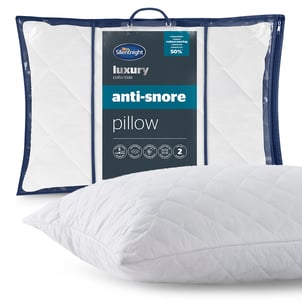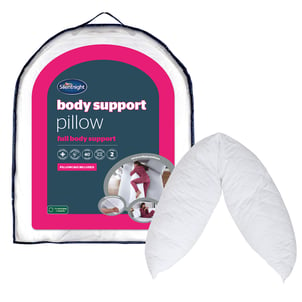

Choosing a pillow can feel oddly complicated. You press one in a shop, read a few labels, then wonder whether soft means comfortable or simply flat by morning. The easiest way to decide is to focus on three things: filling, firmness and the position you sleep in most often. Once those are clear, the rest becomes much simpler. Whether you like a light, airy feel or closer support around your head and neck, the right pillow can make bed feel more comfortable and help your whole sleep set-up work better night after night.
Why does the right pillow matter so much?
A pillow does more than cushion your head. It helps keep your neck in a natural position through the night, which affects how your shoulders, upper back and jaw feel by morning. If your pillow is too high, your head tips forward or sideways. If it is too low, your neck drops and loses support. That is why a pillow that feels pleasant for a minute can still be wrong after a full night’s sleep. The real test is overnight comfort, not the first squeeze in a shop. The best choice also depends on the rest of your bed. A mattress with more give lets your shoulder sink further, which can change the pillow height you need. On a firmer bed, your pillow may need to do more of the work. The same applies if you sleep on a pillowtop mattress, where the extra cushioning can alter your sleeping angle slightly. Your pillow should work with your mattress, not fight against it. Think of both together if you want steadier support and fewer adjustments during the night. Comfort is personal, but there are a few signs that your current pillows are not helping. You may fold one in half, stack two together, wake with a stiff neck or keep turning the pillow over to find a better shape. These small habits usually say something useful. They show what your body is missing, whether that is height, softness or more stable support. Small morning aches are clues. If you often wake feeling better after being up for a while, your sleep position may need better support.

Which filling suits the way you like to sleep?
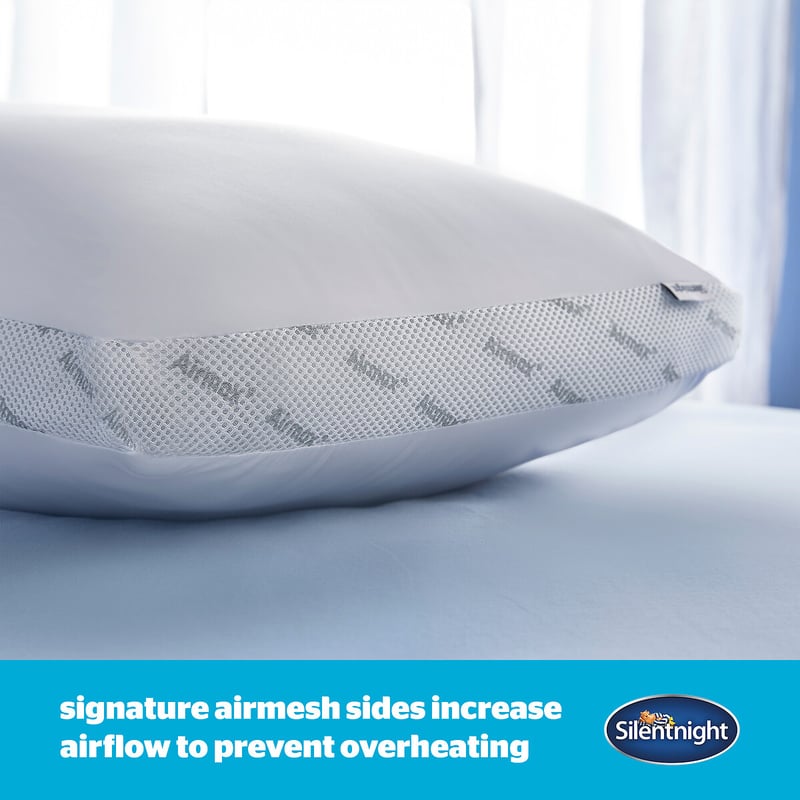
Filling changes both comfort and support. Some pillows feel light and spring back quickly. Others mould more closely around your head. If you like a pillow that you can squash and reshape, synthetic pillows often suit that preference well. They usually feel easy to live with and familiar from the first night. A pillow with a silk outer feel can seem smoother and lighter against the face, while a fuller fibre filling often gives a puffier, softer shape. Choose by feel, not by label alone, because the same material can be made in very different ways. Foam gives a more structured kind of support. It tends to hold its shape better than loose fibre fillings and can suit sleepers who do not want the pillow to collapse under weight. Memory foam feels different again. Instead of springing straight back, it responds more slowly and follows the shape of your head and neck more closely. Some people like that close support, especially if they move less in sleep. Others prefer a livelier, airier feel. Foam feels steadier under pressure, while memory foam follows your shape more closely through the night. Natural fillings and synthetic fillings also differ in warmth and weight, which can affect how settled you feel. If you tend to overheat, a pillow that feels dense or close-fitting may not be your best match, even if the support seems right at first. If you like a cosier bed, you may enjoy that fuller feel. It can help to think about your duvet too. Someone using natural and synthetic duvets in different seasons already knows that filling changes comfort more than it first seems. Warmth changes how a pillow feels, and that matters just as much as softness.
How firm should your pillow be for your sleeping position?
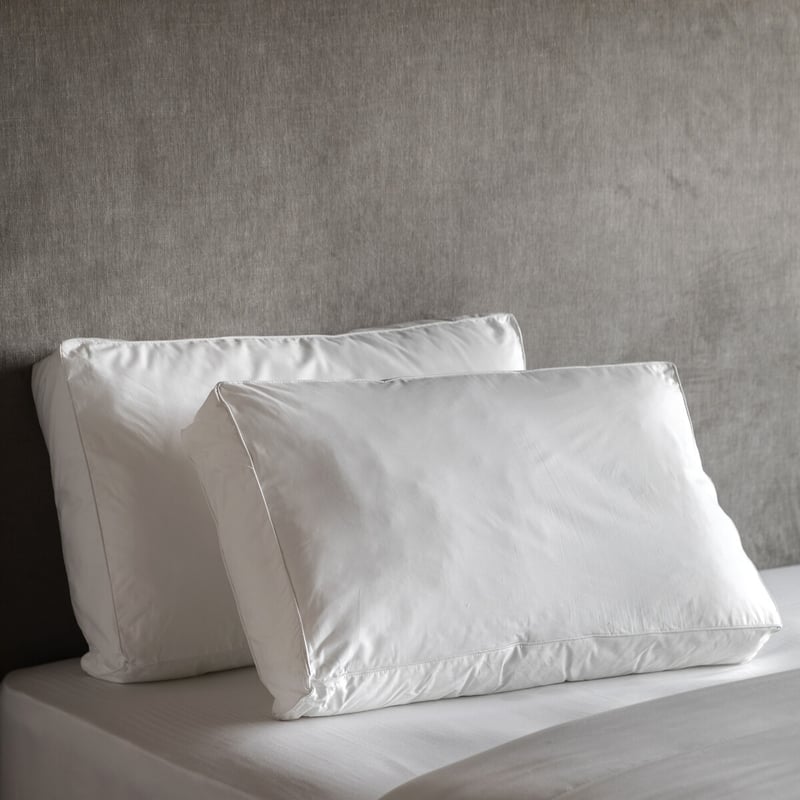
Start with the position you spend most of the night in, not the one you think looks healthiest. Side sleepers usually need the most support because there is a wider gap between the head and the mattress. A pillow that is too soft can let the head dip, which strains the neck. In many cases, a firmer or deeper pillow works best here. You want the space between ear and shoulder filled without pushing the head upwards. Side sleepers usually need more height. If you often tuck a hand under the pillow, that can be a sign that yours is too low. Back sleepers often do well with a medium pillow. The aim is to support the natural curve of the neck without forcing the head forward. Too much loft can leave the chin tipped towards the chest, while too little can make the head fall back. This is where testing matters, because medium means different things in different pillows. A medium foam pillow can feel more supportive than a medium fibre one. Back sleepers often suit medium support, but the filling still changes the result. Go by your sleeping angle rather than the word on the label. Front sleepers usually need the least height of all. A very firm pillow can bend the neck backwards and feel uncomfortable quite quickly, even if it seems plush at first. Many front sleepers prefer a soft, low pillow, or sometimes almost no pillow beneath the head. If you shift between two positions, choose for the one you return to most often. A standard shape suits most people, but the real priority is alignment. Front sleepers usually need less loft. As one sleep specialist says, the best pillow keeps your head level with the rest of your spine as far as possible.
When should you replace a pillow and what else should you check?
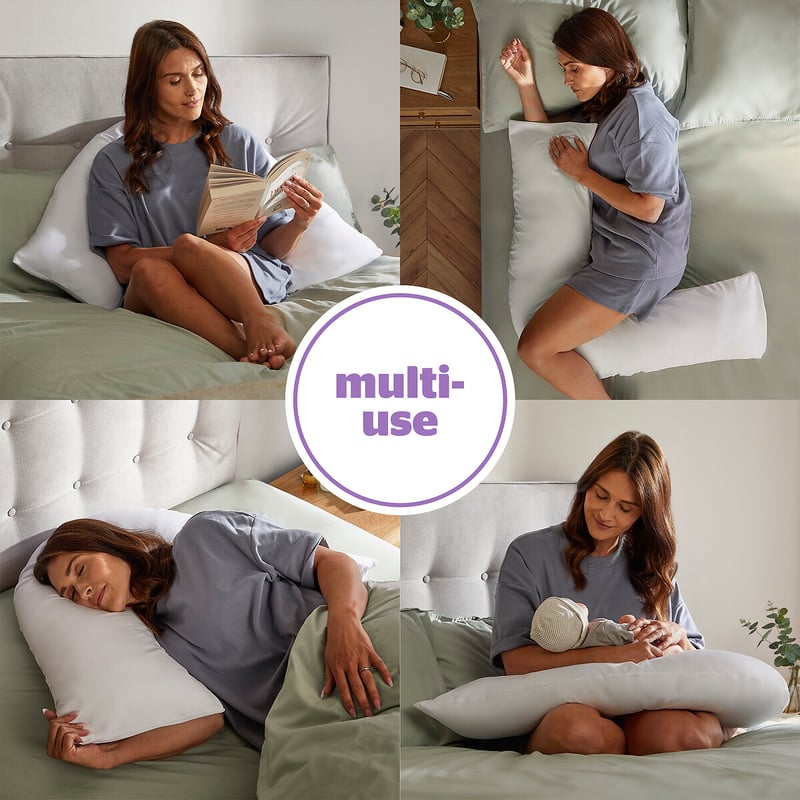
Even the best pillow changes over time. Fillings compress, corners lose shape and support becomes less reliable night after night. A pillow may still look fine once it is inside a pillowcase, but that does not mean it is still doing its job. If you wake with more stiffness than before, or if the pillow stays flat where your head has been, it may no longer suit you. Comfort fades gradually, which is why many people keep a pillow longer than they should. Pay attention to how it recovers after use, not just how it looks on the bed. It also helps to check the practical details around it. Your pillowcase should fit properly, because a cover that is too tight can compress the filling and change the feel. Bedroom warmth matters too, especially with foam or memory fillings, which can feel slightly firmer or softer depending on the room. If you use mattress protectors and toppers, remember that extra padding can alter how deeply you sink into bed and therefore what pillow height feels right. Small set-up changes affect support. Reassess your pillow whenever your mattress or topper changes. Finally, think about how your pillow works in the room day to day. If you read in bed, sit upright for a while before sleep or keep a spare pillow close by on a bedside shelf, your needs may be slightly different from someone who lies down and falls asleep straight away. One pillow can be right for sleep and another useful for winding down. That is not overthinking it. It is simply noticing how you use your bed. The best choice fits your routine, and good support should feel natural rather than something you keep adjusting.