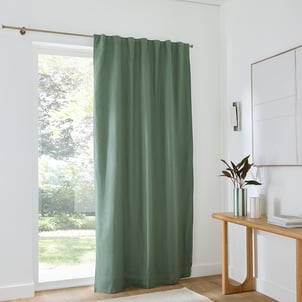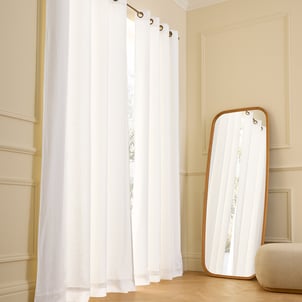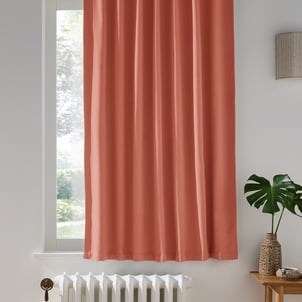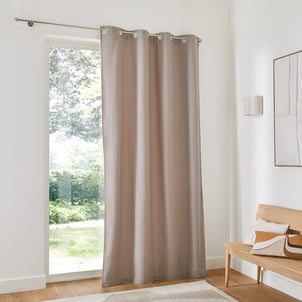

If a room never feels quite warm enough, the problem is often not your heating but where the heat escapes. Windows, doors and even a chimney can let cold air in and let warmth out, little by little, all day. The good news is that small changes can help. The right curtains can soften heat loss, limit draughts and make a room feel more comfortable without turning your home into a sealed box. Here is how to think about thermal curtains and draught proofing room by room, so you can focus on the places that matter most.
Where does heat leave a room first?
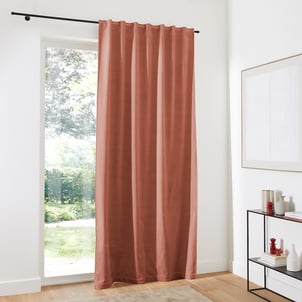
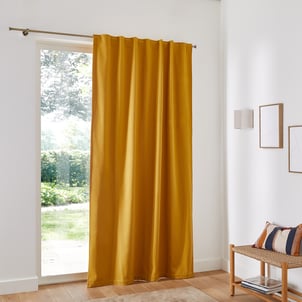
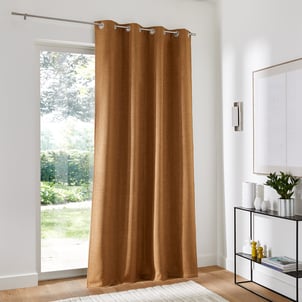
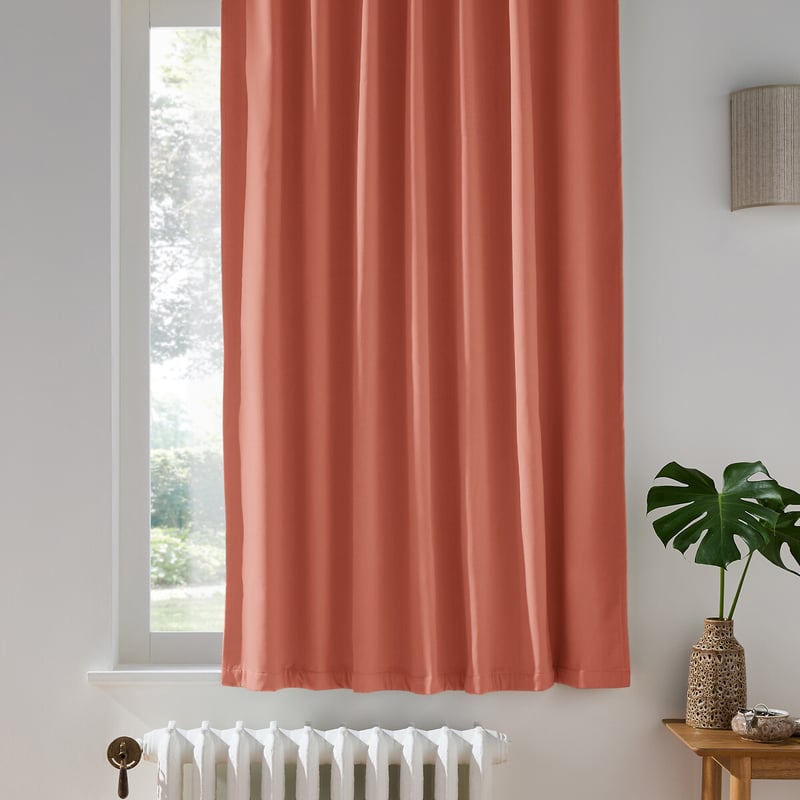
In most homes, the first place to check is the window. Glass is a much weaker barrier than a solid wall, so heat naturally moves towards it. If you stand near the window on a cold day and the area feels noticeably cooler, that is usually a sign of heat loss rather than imagination. The effect is stronger if the glazing is older, if the frame does not close tightly, or if the curtains leave the sides exposed. Start with what you feel: cooler air near the sill, movement around the frame and a room that never quite settles into a steady temperature. That is why curtains matter so much. Thermal curtains can help by adding another layer between the room and the cold surface of the glass. They do not replace good insulation in the wall or better glazing, but they can reduce the feeling of cold coming off the window and help hold warm air inside for longer. For that to work well, the curtain needs to cover more than the glass itself. A fuller drop matters, and so does width. Curtains that sit close to the window, with fewer open gaps at the sides, usually do more useful work than lighter panels that look neat but leave space for moving air. Before you think about each room, it helps to understand one basic rule: stop the moving air and you slow the loss of warmth. A draught is not only a comfort issue. It can keep pulling warm air away from where you need it. Look for gaps where air gets in around frames, at the top of older sashes, or where a curtain hangs too far from the wall. If you notice these weak points first, you can choose the best curtains for the job and use proofing where it will genuinely help.
How can you keep the living room warmer?
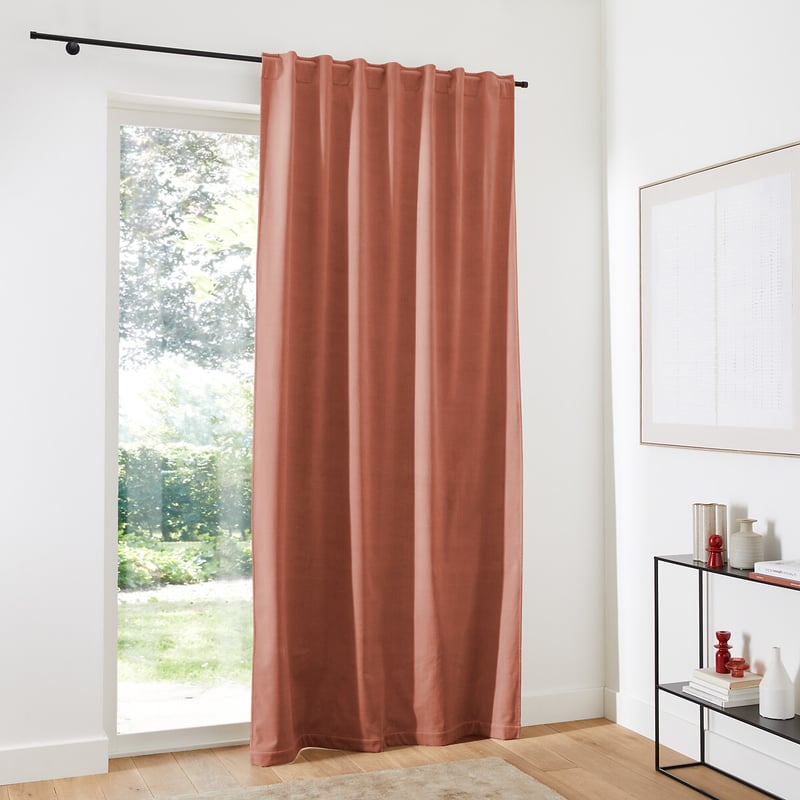
The living room is often where you notice cold most clearly, because it is where you sit still for longest. Large windows, doors to the garden and an open chimney all make this room more likely to lose heat. Start with the window area, especially if the curtains are mainly decorative. Home curtains with a denser lining can make the room feel less exposed in the evening, when the glass turns colder and the difference is easier to feel. Cover the full window rather than just the centre of the glass, and check whether the hem reaches low enough to limit cold air pooling near the floor. If you have a fireplace that is no longer used, the chimney may be drawing warm air upwards even when there is no obvious draught. In that case, proofing the fireplace opening can help the room hold on to warmth. It is also worth checking whether cold air is coming from the edges of the window rather than through the glass itself. Not all draught comes through the pane. Sometimes the real problem is a frame that no longer seals properly. Curtains can soften that effect, especially when they sit close to the wall and have enough weight to stay in place. For wide openings, blinds on their own may not do as much to keep the room warm, because they usually leave more space at the sides for air to circulate. They can still help with privacy and glare, but if warmth is the priority, fabric that wraps the window area more fully often does more. Think beyond the fabric, too. Rearranging the curtain so it closes cleanly every evening can make a practical difference. In a living room, comfort often comes from several small fixes working together rather than one dramatic change.
Which bedroom curtain choices help most?
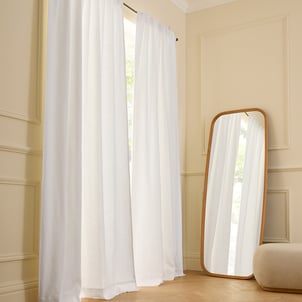
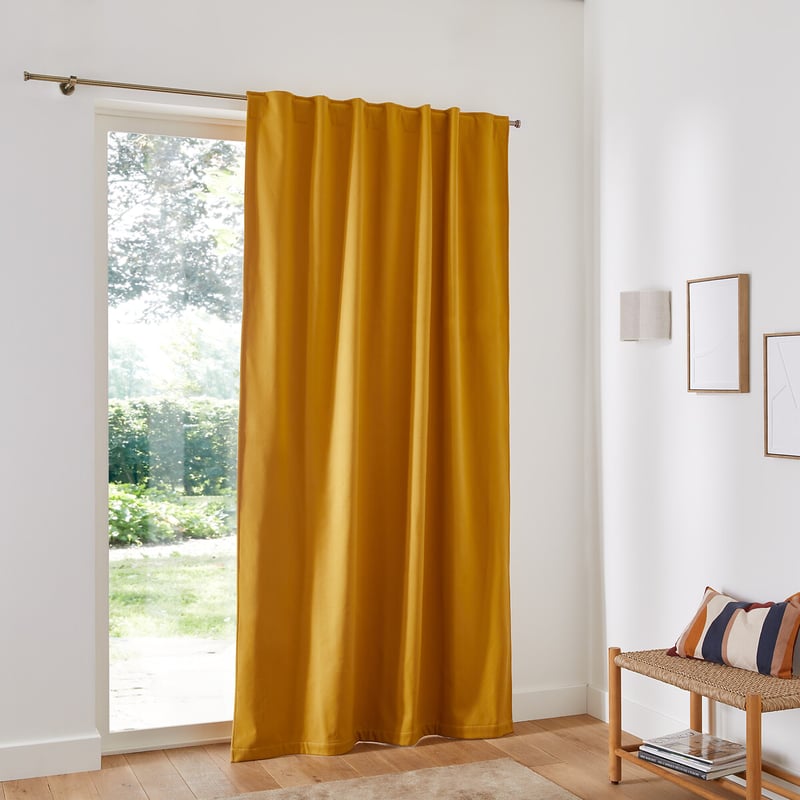
A bedroom needs warmth, but it also needs a calm, usable atmosphere for sleep. That balance matters when you choose curtains. If the room feels cold at night and first thing in the morning, the window is often the main reason. Blackout curtains can help here because they are usually made with a thicker backing, which can also reduce the chill you feel from the glass. They are especially useful if the bed sits close to the window and you notice a colder patch of air around it. Warmth and darkness often align, which makes this one of the simplest rooms to improve. Fit matters as much as fabric. Curtains that stop well short of the sides of the window can leave vertical gaps where cold air keeps moving into the room. The aim is not to seal the bedroom completely, because some air movement is still useful, but to reduce the steady flow of colder air that makes the room feel uncomfortable. If you prefer a lighter look in the daytime, voile curtains can still have a place, but on their own they will not offer much thermal help. Use the evening well by closing heavier curtains before the room cools down too much. Bedrooms with older glazing need a little more care. If the glass feels very cold, moisture can gather there overnight, and that is a sign the window surface is much cooler than the room. Curtains can reduce that cold effect, but they work best alongside simple draught proofing at the frame if there are obvious gaps. Natural linen curtains can soften the look of a room beautifully, but in a colder bedroom they may need a more protective lining to be genuinely useful. Choose comfort over habit: if the room is chilly every night, the best curtain is the one that changes how it feels, not just how it looks.
What should you do in kitchens, halls and small rooms?
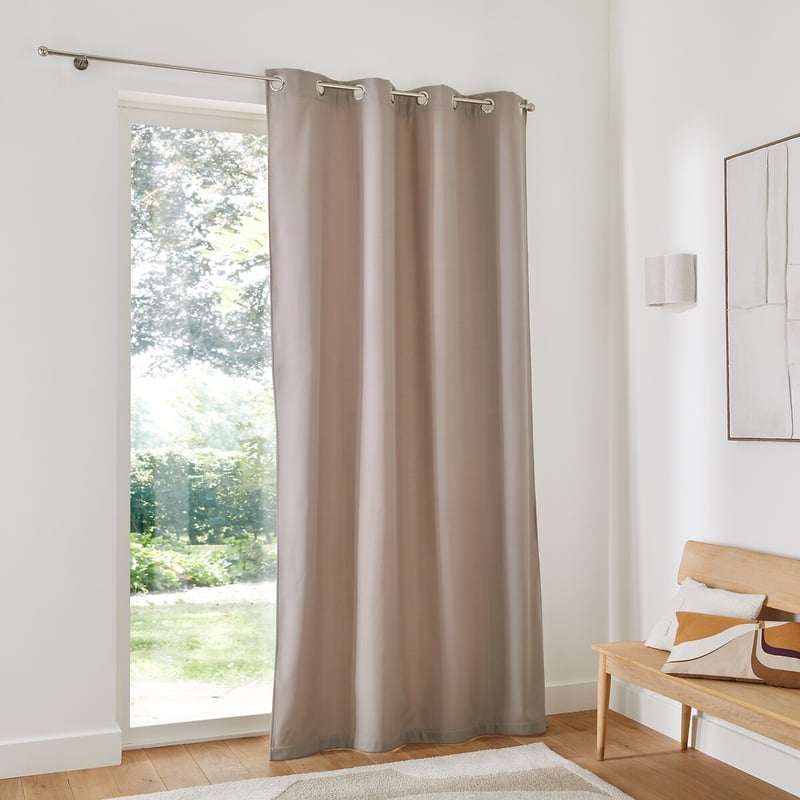
These are the rooms where people often put up with discomfort because they pass through them rather than settle in them. Yet they can affect the whole home. A cold hall can feed a draught into nearby rooms. A kitchen with a bare window can lose warmth quickly, especially in the evening. In smaller spaces, every gap is easier to feel because cold air has less distance to travel. If you want quick results, start where the room feels obviously cooler near the window or door. Target the clearest weak point first instead of trying to change everything at once. In a kitchen, the best choice is usually something that keeps the window covered without getting in the way of daily use. Curtains can help, but they need to suit the space and stay practical around sinks, worktops and regular ventilation. If a full curtain would feel awkward, a blind may be easier to manage, though it may do less for insulation if there are open gaps around it. In a hall or landing, even a modest layer at the window can reduce that sudden cold feeling when you walk past. Small rooms exaggerate movement, so even minor draught proofing can help them feel more settled. This is also where details matter. Check whether the curtain rail allows the fabric to sit close enough to the wall, whether the sill leaves a gap underneath, and whether the window is actually shut tightly. Curtain accessories can help you get a better fit if the fabric is not hanging properly or leaves too much space at the sides. The aim is not to make every room heavy or dark. It is to keep warm air where you need it and stop colder air slipping in unchecked. Comfort starts with control, and these often-forgotten rooms are a good place to gain it.