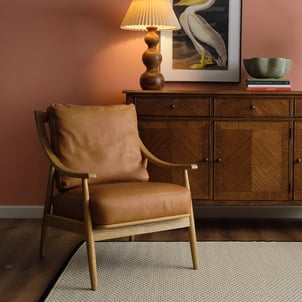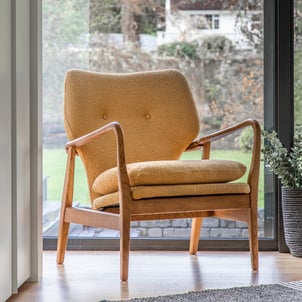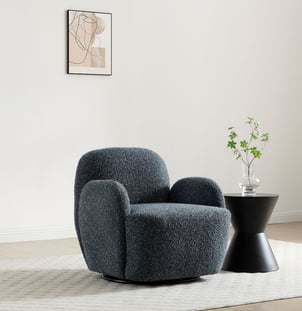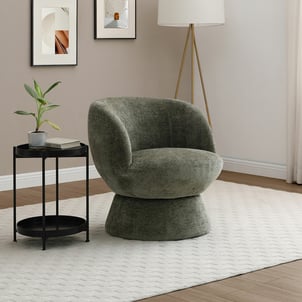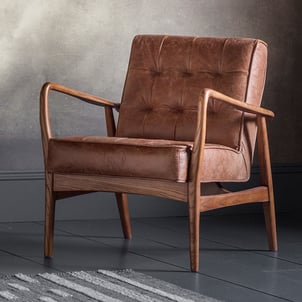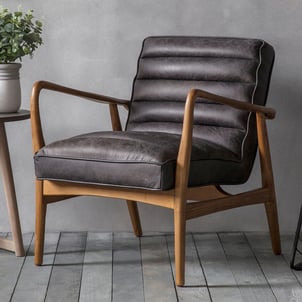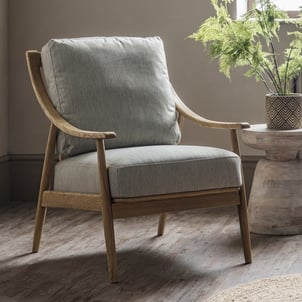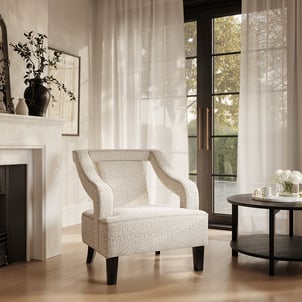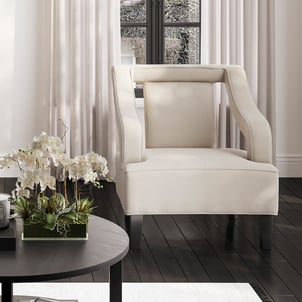

A reading armchair has one clear job: to help you settle in and stay comfortable long enough to enjoy your book. That sounds simple, but the right choice depends on more than appearance alone. Support, scale and fabric all shape how a chair feels once you are actually using it. A design that looks inviting in a picture can feel too deep, too firm or too upright in real life. If you want an armchair that suits your room and the way you read, it helps to know what to check before you decide.
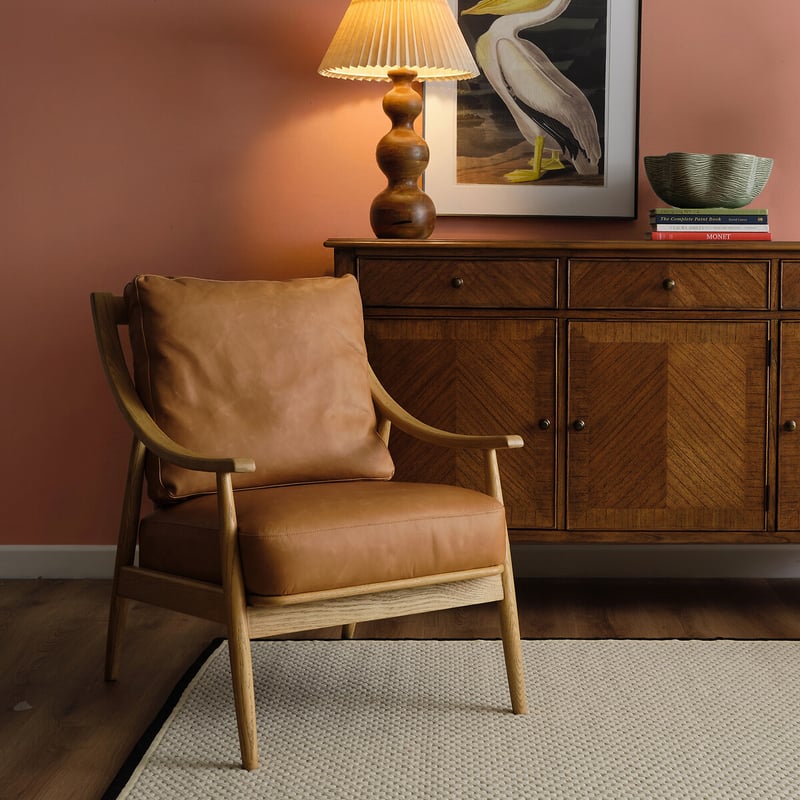
Why does support matter so much in a reading armchair?
When you read for any length of time, your body quickly tells you whether a chair is working for you. The best support is not about stiffness. It is about helping you stay in one position without strain. A good reading armchair should support your lower back, hold your shoulders comfortably and give your arms somewhere natural to rest. A steady sitting position matters more than a dramatic shape. If the back is too low or the arms are too far apart, you may start by feeling comfortable, then find yourself fidgeting after a short while. Think about how you usually read. If you like to sit upright with a hardback, a more supportive back and firmer seat often feel better than a chair you sink into straight away. If you curl up with a paperback, you may want a softer cushion and a slightly more relaxed angle, but the chair still needs structure underneath. Support should feel natural, not forced. This is where made to order armchairs can make sense for some homes, especially when you know you prefer a particular seat feel or back shape and do not want to compromise. Arm height also plays a bigger part than many people expect. Arms that are too low can leave your shoulders doing the work, while arms that are too high can make the whole seat feel awkward. Your neck and shoulders should stay easy while you hold a book or tablet. A supportive chair does not need to feel hard, but it should feel reliable. If you stand up after a long read and feel rested rather than cramped, that is usually the clearest sign that the support is right.
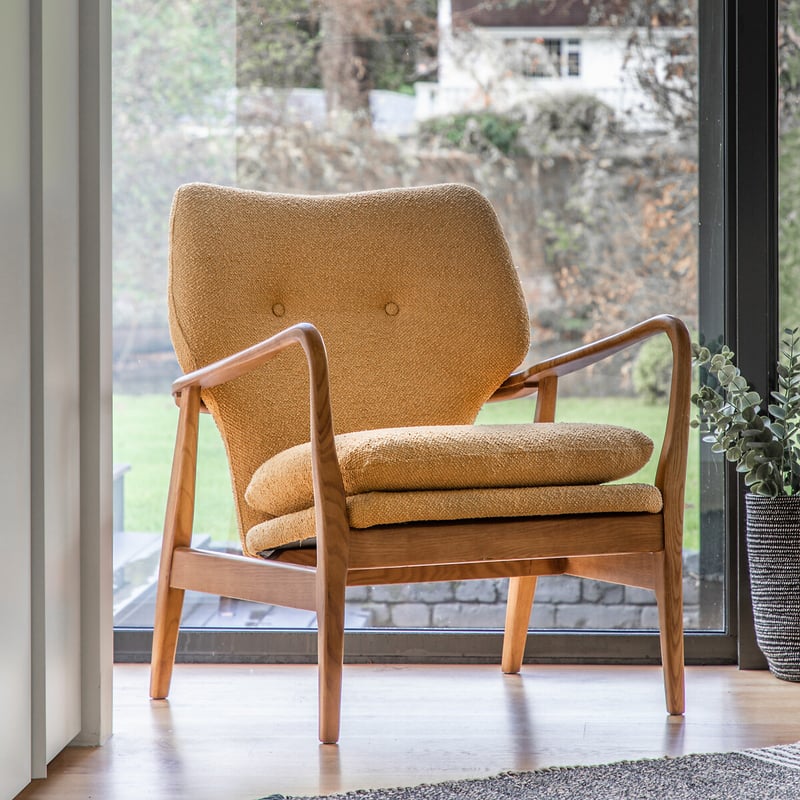
How do you choose the right scale for your room and your body?
A reading armchair can look generous in a showroom image and still feel wrong once it is in your room. Scale is partly about floor space, but it is also about proportion. You need a seat that suits your height, leg length and usual posture. If the seat is too deep, your back may never reach the chair properly unless you add a cushion. If it is too shallow, you can feel as though you are perched rather than settled. The right fit should let your feet rest naturally and your back stay supported without effort. Now step back and think about the room itself. A large armchair in a small corner can make the whole area feel blocked, even if the chair is comfortable on its own. Equally, a slight chair in a larger living room may look lost beside a sofa and fail to create a proper reading spot. Balance within the room helps the chair feel inviting. Ready made armchairs are often useful here because they let you compare shapes more quickly and see whether you need a compact option or something with more presence. Do not just measure where the chair will go. Think about how you will move around it and use the nearby space. You may want a lamp beside it, a small table for your mug, or enough clearance to pull the chair forward slightly. In tighter spaces, a swivel design can be especially practical because it lets you turn towards light, conversation or the television without dragging the chair across the floor. Ease of movement is part of comfort too. The best chairs fit your body, but they also fit the way the room works every day.
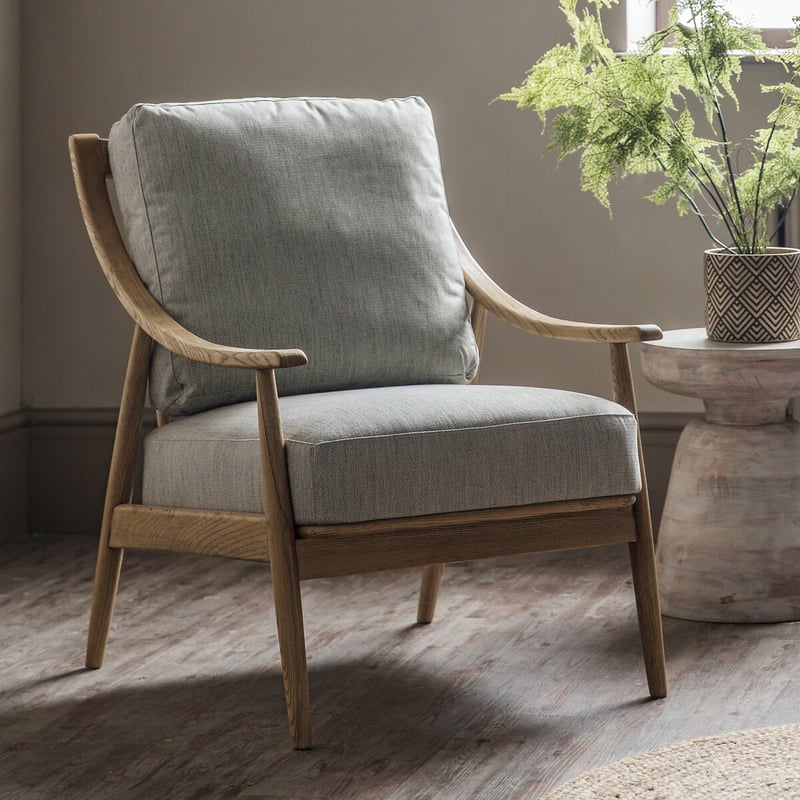
Which fabric will feel best for everyday reading?
Fabric does more than set the look of an armchair. It changes how the chair feels when you first sit down, how warm it seems in the evening and how easy it is to live with over time. If you read daily, this matters. Some fabrics feel soft and cosy straight away, while others feel cooler or smoother against the skin. Neither is automatically better. Everyday comfort depends on your habits. If you often read with a blanket, you may be happy with a simpler finish. If the chair itself needs to feel warm and inviting, texture becomes more important. You should also think about how the chair will cope with real life in your room. A pale fabric can look calm and light, but it may ask more of you if the chair is used often. A busier weave or deeper tone can be easier to live with in family spaces. If children or pets share the room, or if you tend to read with tea nearby, easy-care fabric is often the sensible option. Good looks are not enough if you are going to worry about every mark. For some people, performance fabric is worth considering simply because it takes the pressure off daily use. Material can also change the character of the chair itself. A rounded shape in a textured cover often feels softer and more relaxed, while a cleaner-lined armchair in a smooth fabric can feel neater and more structured. That is why it helps to judge fabric together with shape, not separately. Even rattan chairs can work for reading in the right room, but usually only when the seat and back include generous cushions that soften the frame. Surface feel matters more than many people expect, and the best fabric choice is usually the one that suits the way you actually spend your long reading sessions.
Where should you focus if you want lasting comfort?
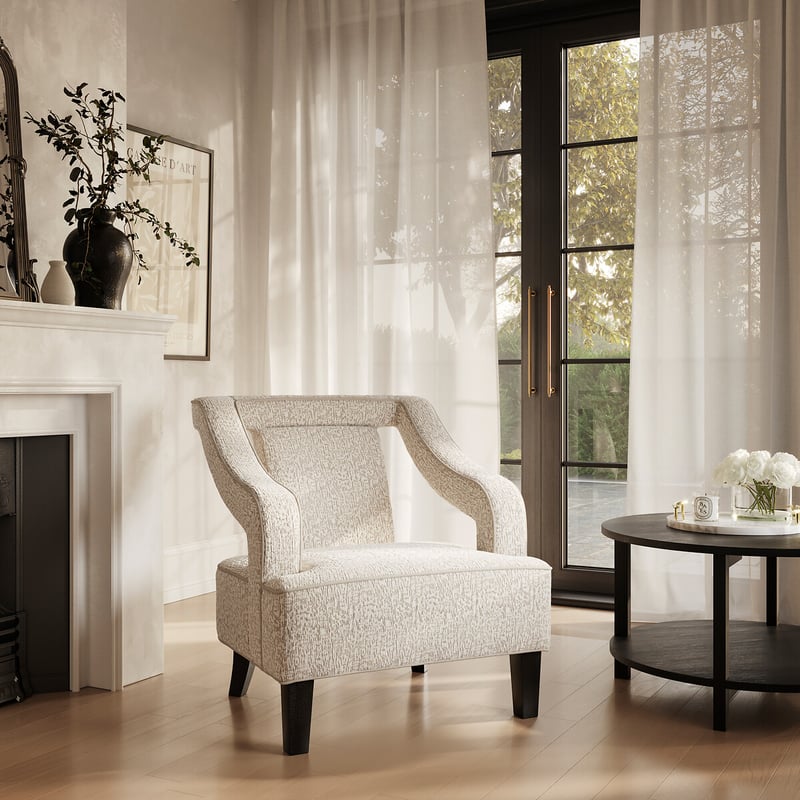
Lasting comfort often comes from small details that are easy to miss at first glance. One of the main ones is seat firmness. A very soft cushion can feel lovely for a few minutes, then leave you unsupported as it compresses under you. A firmer seat can feel less inviting at first, yet prove much more comfortable over a long reading session. Comfort over time matters more than the first impression. You are looking for a chair that still feels good at the end of a chapter, not just in the first moment you sit down. Back angle is another detail worth noticing. If the chair leans too far back, reading can become awkward because your arms and neck have to compensate. If it is too upright, you may never feel settled. The most comfortable armchair usually sits somewhere in between, letting you relax while still keeping the book at an easy height. A footstool can help, but the chair itself should do most of the work. Even a chair bed, useful in a guest room or spare space, needs to feel supportive in its everyday seated form if reading is part of its job. Finally, think about what helps you stay in the chair longer with less adjustment. That may be a loose cushion behind your back, a supportive headrest, or arms wide enough for your elbows without feeling oversized. If you like to switch between reading, chatting and watching television, a swivel armchair can be a smart option because it adapts without asking you to move the whole seat. Small features add up. When a chair feels easy from every angle, it tends to become the place you choose first. That is lasting comfort: not a dramatic feeling, but a steady one you notice every day.