
When the clocks go back, the shift can feel sudden: mornings become lighter for a while, but darkness arrives earlier in the evenings. That extra hour marks a useful moment to rethink the textiles you live with every day. You do not need to replace everything or dress every surface. A room can feel warmer through softer surfaces, comfortable layers and fabrics placed where you actually sit, walk and rest. These eight ideas focus on curtains, rugs, cushions and everyday linens, with a clear distinction between making a space look welcoming and helping you feel physically warmer while you use it.
Where should you start with curtains and rugs?
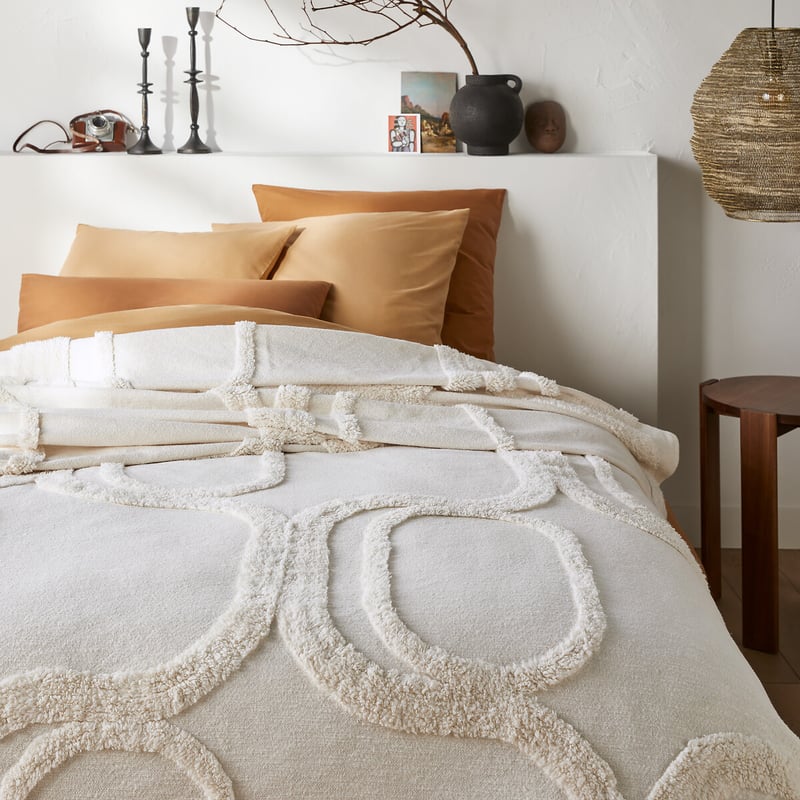
Begin with the window you spend most time beside. The first quick change is to close curtains before dusk, while there is still some daylight to see what you are doing. Draw them fully across the glass rather than leaving a gap in the middle. Curtains can reduce heat loss through a window, although the difference depends on the fabric, fit and window itself. Check where the lower edge falls: fabric hanging over a radiator can obstruct the movement of warm air into the room. Choose a length that clears it, and keep curtains away from heaters according to their safety instructions. The second idea is to soften your landing spot with a rug where your feet rest when you sit down. On a hard floor, this makes the spot more comfortable underfoot without suggesting that a rug heats the room. Place it so you can step onto it naturally, rather than stretching towards a small patch beyond the sofa. Before moving an existing rug, check that it lies flat and does not curl at the corners. Use an appropriate non-slip underlay for the floor beneath, following the care guidance for both surfaces. Keep doorways and your usual walking route clear. Treat these changes as a check on the room’s edges, not a reason to cover every visible surface. During the day, open the curtains to admit natural light; when darkness comes, draw them again for privacy and comfort. For the rug, test your usual route: walk from the doorway to your seat, then stand up as you normally would. If the edge catches your foot or makes a door drag, the position is wrong. You want textiles to make daily movement easier, not add something else to negotiate. A clear floor and properly arranged curtains provide a useful starting point for the softer layers that follow.
How can your sofa feel warmer without becoming cluttered?
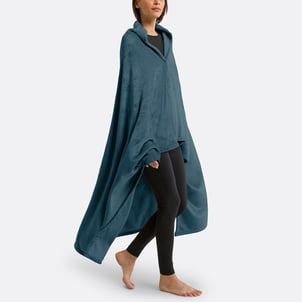
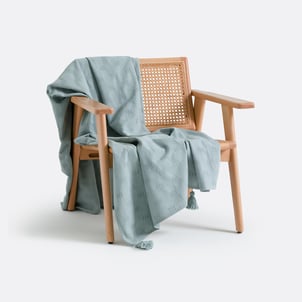
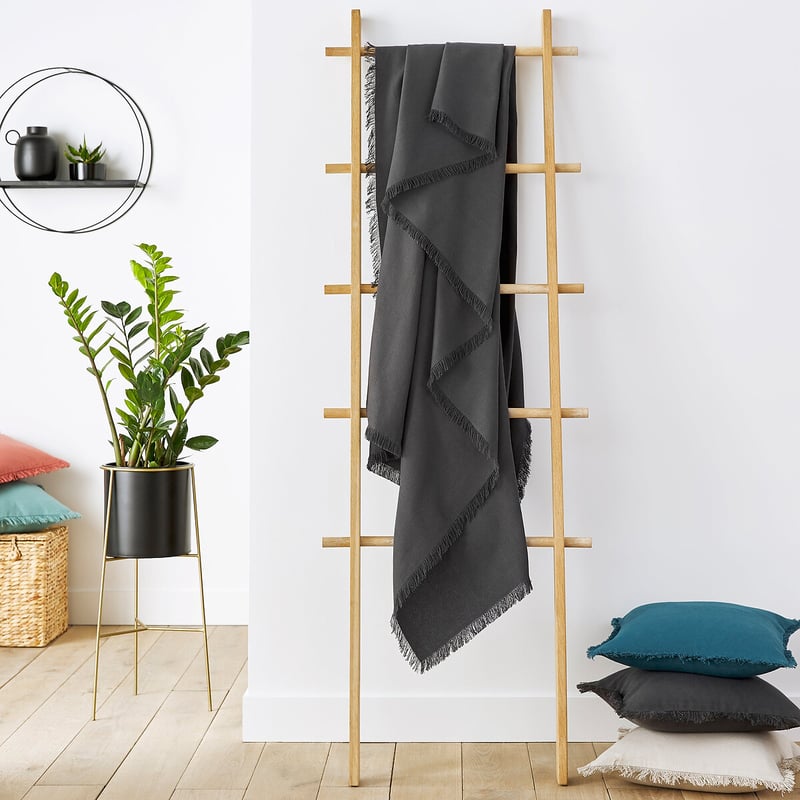
Your third change is to put a useful layer exactly where you relax. Rather than folding it out of reach for appearance alone, keep warmth within reach, over the arm of the sofa or beside your usual seat. A knitted throw can be comfortable over your knees, but check its construction before choosing: an open knit may feel less protective against cool air than a closely knitted fabric. Feel the surface against your wrist, especially if you dislike scratchy textures. Choose something you can lift and arrange easily, and check the washing instructions if it will be used every evening. The fourth change is to choose cushions for support, not simply to fill the sofa. Sit down before deciding what needs adjusting. You might want a cushion behind your lower back or beneath an elbow, depending on the seat and your preferred position. A large, firm cushion can push you too far forward on a shallow sofa; a smaller, softer one may suit that space better. Keep enough clear seating for the people who regularly use the room. If everyone has to remove a pile before sitting down, the arrangement is creating work rather than making your evenings more comfortable. Bring these layers together through colour without expecting colour itself to provide heat. Rust, warm brown or muted ochre can make a pale seating area look warmer, while cream can soften a darker sofa without making it look busy. There is no single right palette: look at the fabrics beside your existing upholstery in both daylight and evening light. Repeat one existing colour if you want an easy starting point. A shade already present in a rug or curtain helps the additions feel connected. Keep the throw usable and the cushions movable, so the room still works when you stretch out, share the sofa or settle down for several hours.
What changes make your bed more comfortable on cooler nights?
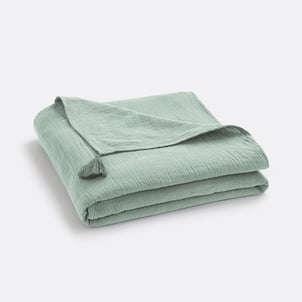
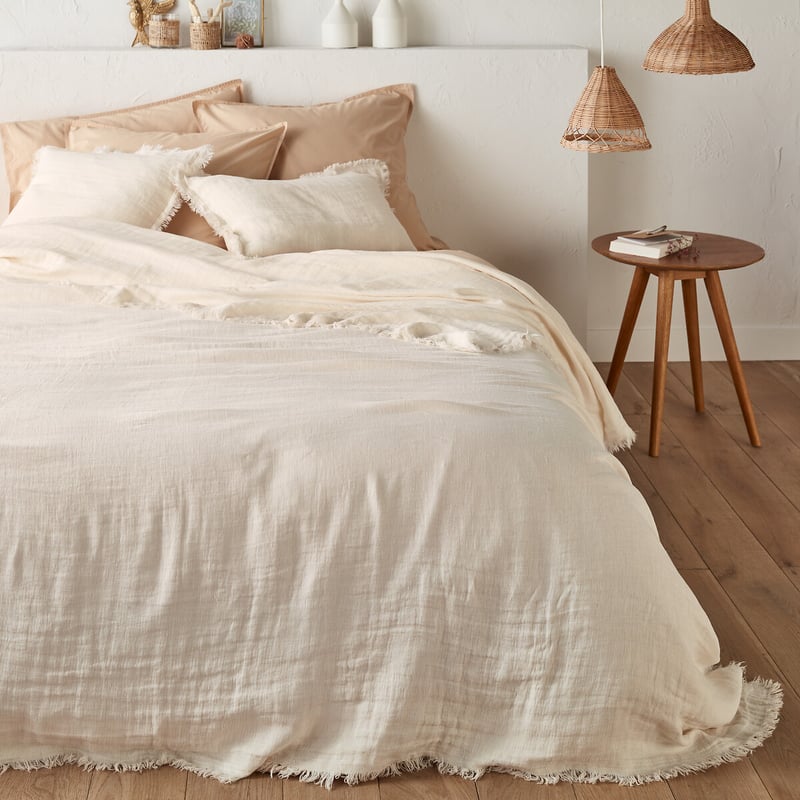
The fifth change begins with the fabric closest to you. Check the surface first rather than judging warmth by a photograph or a deep autumn colour. A brushed cotton duvet cover has a softly raised surface that often feels less cool on first contact than a smooth cotton fabric. That can make getting into bed more pleasant, though your duvet and the room temperature still matter. If you tend to feel hot during the night, a smooth cover may remain your better choice. Check the care label before changing fabrics, so your usual washing and drying routine will suit the bedding. The sixth change is to add a removable layer rather than replacing all your bedding at once. For example, bed throws let you add coverage over your legs and feet, then fold the extra fabric back if you become too warm. Spread the layer where you actually feel cold; a narrow fold placed only for decoration may not cover enough of you to help. If you share the bed and prefer different levels of warmth, keep the extra layer on your side. Make sure it stays clear of the floor, where trailing fabric can become an obstacle when you get up. Give the arrangement a practical trial before deciding you need anything heavier. Get into your normal sleeping position and check whether the added layer pulls, slips or restricts your feet. Keep adjustments within reach, so you can fold it back without getting out of bed. A cover that feels pleasant at bedtime will not necessarily suit you for the whole night, particularly if your temperature preferences differ from your partner’s. The useful distinction is between a bed that looks cosy and one you can adjust comfortably. Aim for the latter, with layers that are simple to remove and straightforward to wash.
Which dining textiles make everyday meals feel more inviting?
The seventh change is to soften the centre of the table without covering the space you need for eating. This is where table runners for dining tables can help: a strip of fabric breaks up a broad, bare surface while leaving the edges accessible. Leave space for meals, checking the arrangement with your usual plates in place rather than judging it on an empty table. A textured weave can make the setting look warmer, but it does not replace a suitable heat-resistant mat beneath hot dishes. Choose a washable fabric if the table also handles breakfast, homework or a hurried lunch. The eighth change concerns how the seat feels, not just how the table looks. Soften a hard seat with a chair pad that fits the chair rather than extending beyond its edges. Check that it stays in position as you sit down and stand up; use its ties or fastening system as intended. A pad can make a hard dining chair more comfortable, especially when you linger after eating, but extra thickness also raises your sitting position. Try it at the table before committing to the arrangement. Your legs should still fit comfortably underneath, without the seat pushing you awkwardly towards the tabletop. For both additions, check the everyday fit before focusing on the finished look. Pull each chair out, sit down and move it back in. Make sure a hanging runner cannot be caught by a knee or easily pulled by a young child. Choose chair pads with care instructions that suit likely spills, and avoid loose decorations that must be cleared away at every meal. You can connect the dining area to the rest of the room by repeating a colour from the curtains or sofa. The result is somewhere you can look forward to spending time, without adding a lengthy routine before every meal.