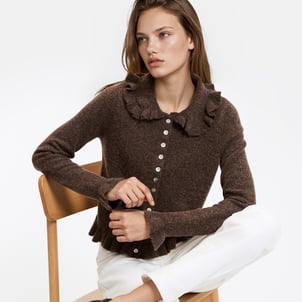

Choosing winter knitwear is easier when you know what the fibre names actually tell you. Merino, lambswool and cashmere can all feel warm and comfortable, but they do not describe the same thing, and none guarantees that a jumper will suit you. The fabric’s thickness, the way it is knitted and your own sensitivity matter too. Whether you need a light layer for a heated office or a substantial jumper for cold journeys, this guide explains the differences that affect everyday wear. You will also find practical ways to assess comfort, choose useful shapes and care for the pieces you wear most.
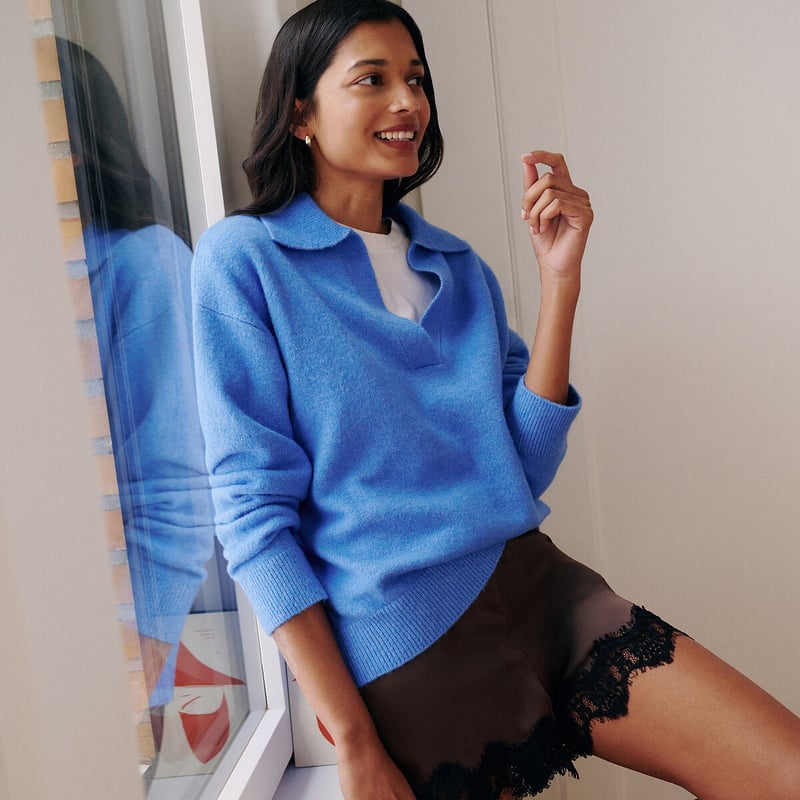
What is the difference between merino, lambswool and cashmere?
Start with what the names mean. Wool usually refers to the fleece of sheep, although clothing labels also identify other animal fibres by their specific names. Merino is wool from Merino sheep, a breed associated with fine fibres. Lambswool comes from a sheep’s first shearing, rather than from a particular breed. The categories can therefore overlap: lambswool may also be merino. Neither word tells you everything about the finished jumper. You still need to check its composition, texture and thickness. This distinction is useful when two garments look similar but their labels appear to promise quite different things at first glance. Cashmere comes from the soft undercoat of the cashmere goat, rather than its coarser outer hair. It is typically fine and can make a light garment feel warm without much bulk. However, softness is not uniform: the quality of the fibres and the construction both influence the result. Lambswool often has a fuller, springier feel, while fine merino can produce a smoother, less bulky fabric. These are useful tendencies, not fixed rules. A thick merino jumper may feel more substantial than a loosely knitted cashmere one, so avoid treating the fibre name as a reliable measure of weight or warmth. You may also see alpaca or angora in winter knitwear. Alpaca comes from the animal of the same name; angora comes from rabbits. Both can contribute softness and a fluffy surface, although the feel varies between garments. Their presence does not automatically make a blend warmer or more comfortable for you. Read the full composition, including any other fibres listed, rather than stopping at the name that first catches your eye. A cashmere blend and an all-cashmere jumper are different fabrics, but neither is automatically the better choice. What matters is how the complete fabric behaves in the garment you intend to wear.
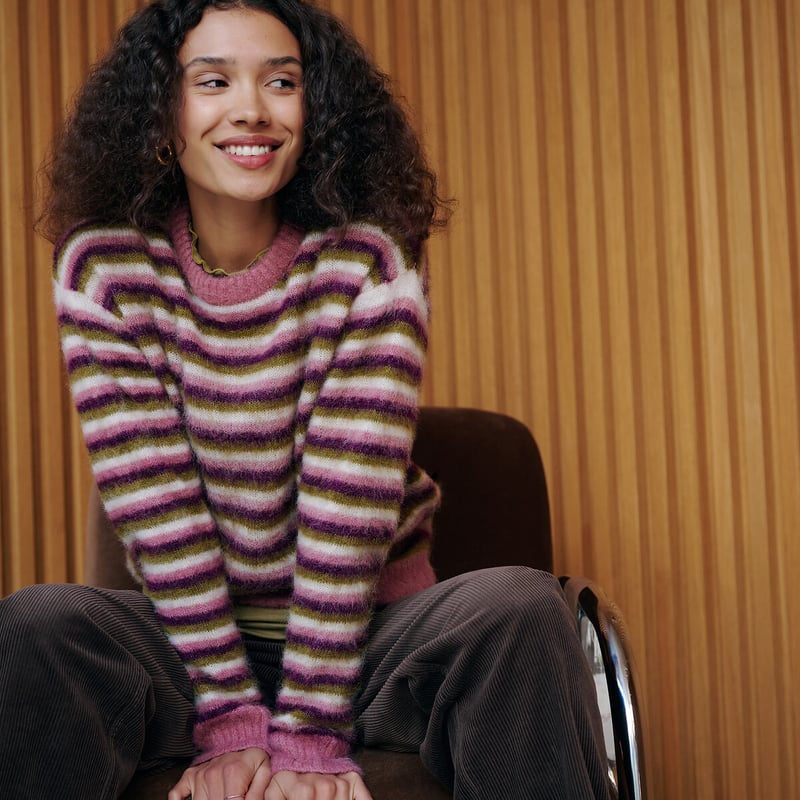
Why does some wool feel softer or warmer than others?
If wool sometimes prickles against your skin, fibre thickness is one reason. It is measured in microns, meaning thousandths of a millimetre. Finer fibres generally bend more readily against the skin, which helps explain their softer feel. Yet an average measurement cannot describe every fibre in a fabric, and most clothing labels do not give one. Your more useful test is comfort against your skin. Try the neckline and cuffs where contact is close, rather than judging only with your fingertips. If a jumper feels irritating during a brief fitting, do not assume washing will make it comfortable enough to wear. Warmth depends on more than softness. The natural curl of wool fibres helps create spaces that hold air, and that trapped air contributes to insulation. The thickness and openness of the knitting affect these properties too. A fine jumper can work well beneath another layer, while a thicker knit can provide more insulation but feel cumbersome indoors. Check the fabric structure by gently opening the garment against the light, without stretching it. A very open knit allows more air movement, which matters on a breezy day. None of these fibres makes an ordinary knitted jumper a substitute for a wind-resistant outer layer. Comfort also changes as you move between cold streets, public transport and heated rooms. Wool can absorb moisture vapour, but that does not mean every wool garment will prevent sweating or dry at the same speed. A close, heavy jumper may simply be too warm for your routine. If you prefer a layer underneath, try it over the t-shirts you actually wear, checking that the sleeves do not bunch. Allow room to move without choosing an unnecessarily loose fit. Raise your arms, bend your elbows and sit down. These checks reveal tight shoulders, restrictive cuffs and an uncomfortable neckline more clearly than looking in the mirror alone.

Which knitwear suits your winter wardrobe and daily routine?
Begin with the part of your day that is hardest to dress for. If you travel in the cold but spend most hours indoors, choose adjustable layers rather than the thickest jumper you can find. A fine merino knit beneath a cardigan gives you options when the heating feels excessive. Cashmere can also suit this approach when you want warmth without a bulky outline. If you remain outside for longer, a fuller lambswool jumper may be more useful beneath a roomy coat. These are starting points, not rules: check the actual weight and fit of each garment before deciding which fibre name to prioritise. Next, consider the clothes you already reach for. A neat, fine-knit jumper sits more easily beneath a fitted jacket, whereas a thick sleeve may pull at the shoulder and restrict movement. For jumper dresses, fabric weight and recovery deserve particular attention: the garment should let you sit comfortably without feeling stretched across the hips. Gently stretch a small area and release it to see whether it returns towards its original shape. Test the complete outfit, including your usual outer layer. Check that the neckline sits comfortably, the cuffs fit beneath your sleeves and the hem does not bunch where your coat fastens. Finally, think about friction and how much maintenance you are happy to do. Bags rubbing against your side and repeated contact at the underarms can encourage pilling, the small balls of tangled fibre that form on a fabric’s surface. Soft knitwear is not automatically faulty when this happens, but it may need occasional attention. Blends can change a garment’s strength, stretch and feel; their effects depend on the fibres used and how the fabric is made. Match care to routine by reading the washing instructions before choosing. A jumper you can comfortably wear and look after is more useful than one whose handling requirements do not suit your week.
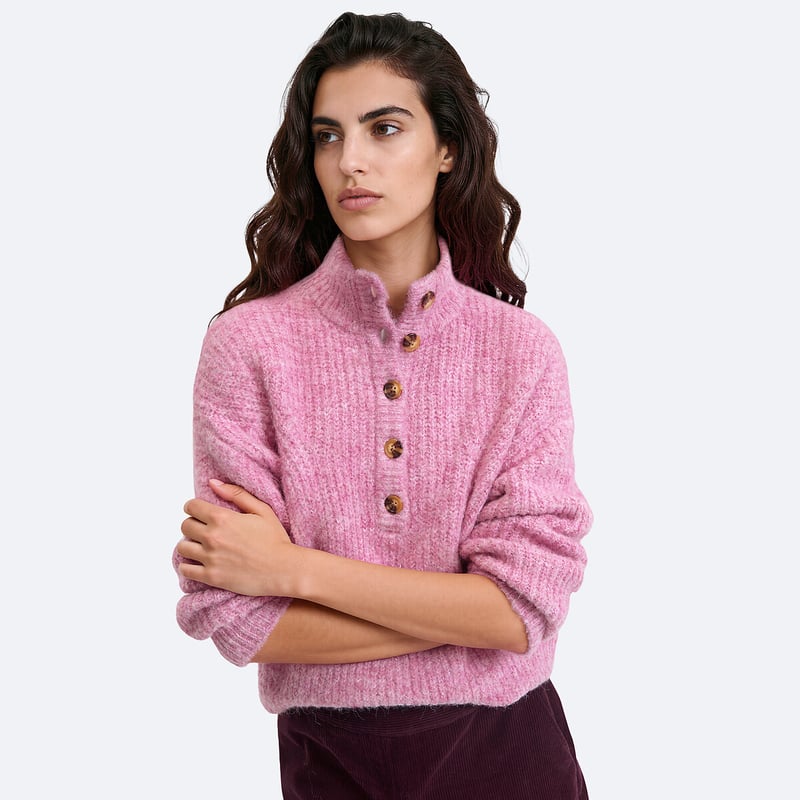
How do you wash and care for winter knitwear?
Before washing, follow the care label. The fibre name alone cannot tell you whether a garment suits machine washing, handwashing or professional cleaning. Treatments, dyes, trims and construction can change the instructions, even between jumpers with similar compositions. If machine washing is permitted, use the stated programme and temperature, with a detergent suitable for wool. Do not assume a general delicate cycle is suitable unless it matches the label’s requirements. Heat and agitation can cause some wool fabrics to shrink and become denser. Separate items that might snag the knit, fasten any closures and avoid overfilling the drum so the garment is not tightly compressed. When handwashing is allowed, dissolve the detergent before adding the garment and handle it gently. Avoid rubbing, scrubbing or twisting the fabric. Rinse as directed, then press out water carefully rather than wringing. A clean towel can help absorb moisture before drying. Dry with full support: reshape the garment gently and lay it flat as the label directs, away from direct heat. Wet knitwear can become heavy, so hanging it by the shoulders risks stretching the body and sleeves. Resist pulling a shrunken jumper forcefully back into shape; the change may not be reversible, and strong stretching can distort the fabric further. Between washes, let knitwear air somewhere dry and deal with spills promptly according to the care instructions. If pills appear, use a suitable knitwear comb or fabric shaver cautiously, following its directions and testing an inconspicuous area first. Keep the fabric flat and avoid delicate details that could catch. Store clean and folded rather than leaving heavier knits on hangers, which can mark the shoulders. Before putting winter pieces away, make sure they are completely dry and check them for stains or signs of clothes moths. During the season, rotate the garments you wear most so you have time to air them and inspect any areas receiving repeated friction.