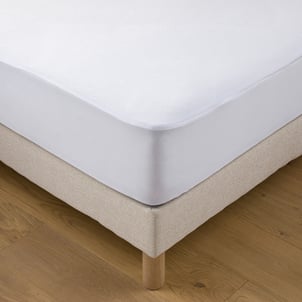

If your bed feels harder than you would like, adding a topper can be a useful adjustment. But an extra layer only helps when it addresses the right problem. Some fillings cushion closely around your body; others give a softer, looser feel. Thickness, fit and washing requirements also affect whether that extra comfort works in everyday life. This guide explains when you need a topper, how the main materials differ and what to check before choosing one. You will also learn how to protect it without confusing a comfort layer with a barrier against spills, so you can make a decision that suits your sleep.
When will a topper help your mattress?
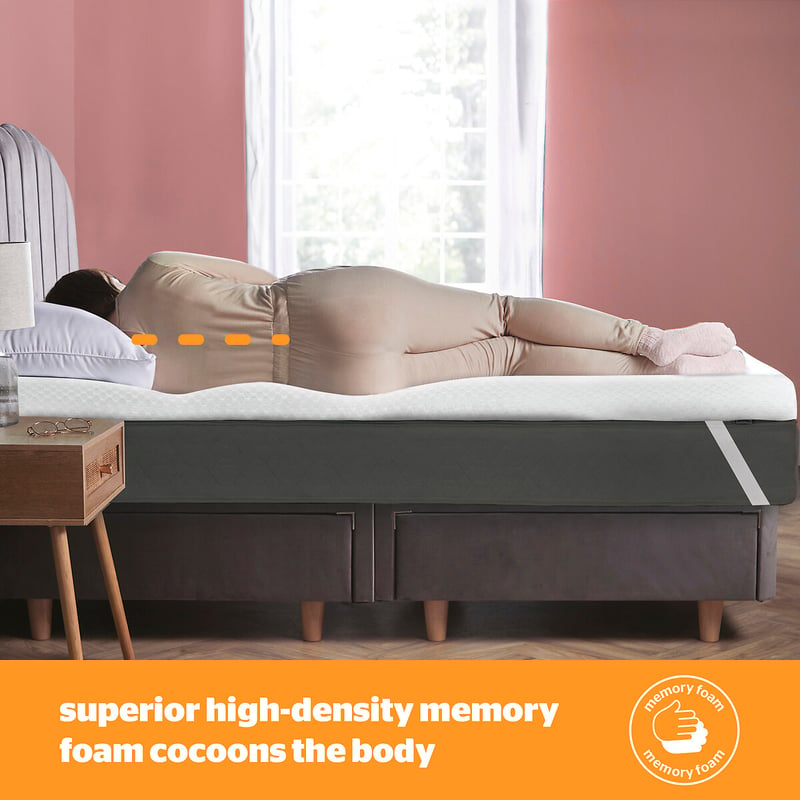
Before adding anything to your bed, identify what feels uncomfortable. Is the surface too hard beneath your shoulders or hips, or do you roll towards a dip? You can use mattress toppers to adjust the feel of a sound mattress, particularly when you want more cushioning without replacing it. They sit above the existing surface and change how your body meets it. Think of this as adjusting surface comfort, rather than rebuilding the support underneath. If your mattress is comfortable apart from a slightly firm feel, an added layer may be useful. If it sags, the same layer will usually follow that sag rather than remove it. Check the bed with its bedding removed. Look for an obvious hollow, damaged areas or an uneven base, and follow the mattress maker’s instructions for checking and rotating it. A topper cannot repair broken components or compensate reliably for poor support beneath the mattress. Equally, a softer surface is not always what you need. If you already sink too deeply and struggle to turn, adding plush filling may make movement harder. The useful distinction is softness versus support: softness describes the surface feel, while support concerns how the bed holds you. Although some firmer toppers alter the feel, they cannot restore a worn mattress’s underlying structure. Notice when the discomfort happens, too. A hard surface that bothers you as soon as you lie down suggests a different issue from feeling hot later in the night. Make a note of your usual sleeping position and whether your partner has the same complaint. For shared beds, discuss whether you both want a softer feel before changing the whole surface. A topper may improve comfort, but it is not a treatment for persistent pain or disrupted sleep. If symptoms continue, seek appropriate medical advice rather than repeatedly adding bedding. Start with one clear problem, so you can judge whether a topper is likely to solve it.
Which filling suits the way you sleep?
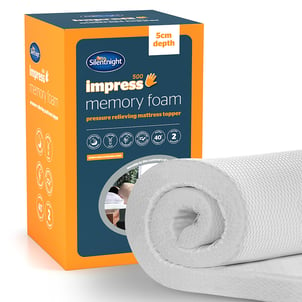
Start with the sensation you prefer rather than assuming one material is best. With memory foam, the surface gradually moulds around your body under pressure, giving a close, cushioned feel. This may appeal if you dislike concentrated pressure beneath your shoulders when lying on your side. The trade-off is that deeper contouring can make turning feel less immediate, and some people find it warm. Ordinary foam varies considerably in firmness and responsiveness, so read the description carefully. Latex tends to spring back more quickly and can suit you if you prefer easier changes of position. Neither the filling name nor a cooling claim alone tells you exactly how warm a bed will feel. If you prefer a looser, pillowy surface, a feather filling offers a different sensation from foam. It compresses beneath you and needs regular shaking and plumping to redistribute the filling. Check the filling description: products may combine feather and down, which is the softer, finer filling found beneath a bird’s outer feathers. Wool generally gives a more gently cushioned feel than a deep, body-hugging one, though construction and filling quantity matter. It can absorb and release moisture, but that does not guarantee you will feel cool. Your bedding, room and personal preferences still influence warmth. Choose by feel and maintenance, not by the material’s reputation alone. For a soft layer with potentially simpler care, consider synthetic fibre fillings. Some can be washed at home, but the care label and your washing machine’s capacity must both allow it. These fillings tend to compress with use and may need plumping; they will not reproduce the slow moulding feel of memory foam. If allergies are a concern, check the full filling and cover details rather than relying on a broad description. A claim about allergy suitability is not a substitute for knowing your trigger. We would suggest making your care routine part of the choice from the start, especially if washing at home is essential.
How do you choose the right thickness and fit?
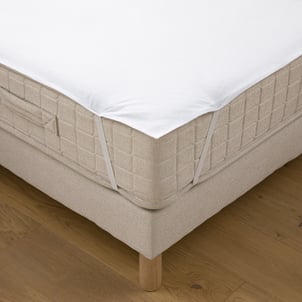
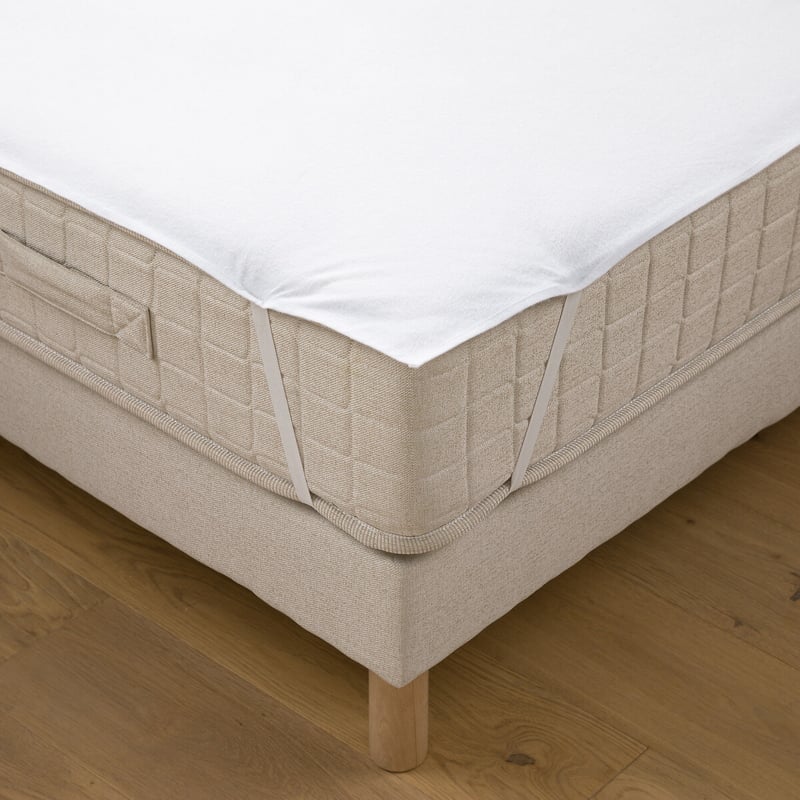
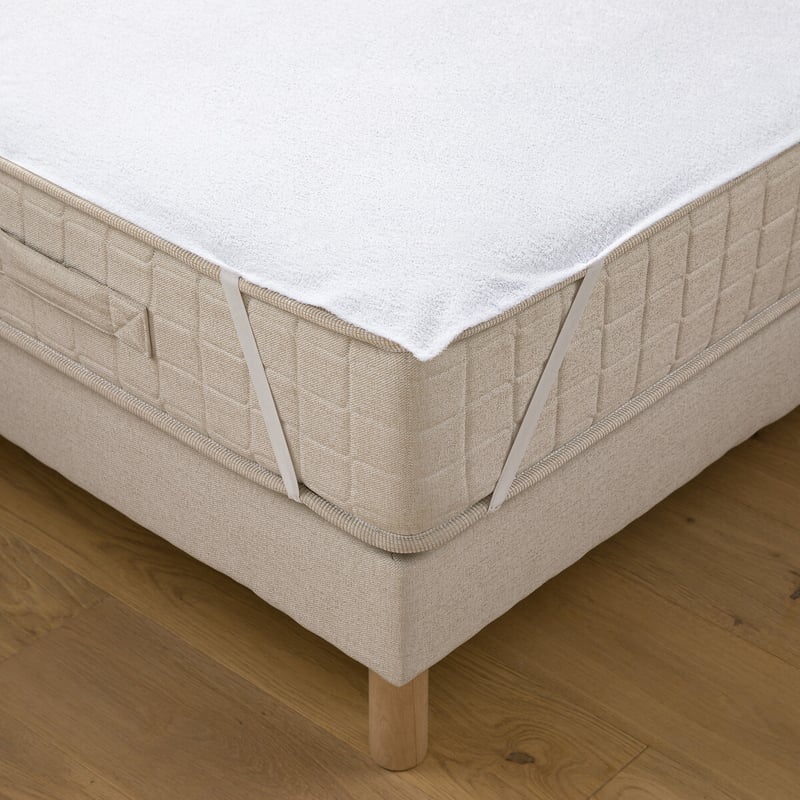
Once you have chosen a filling, measure the sleeping surface rather than relying only on the bed’s size name. Compare its length and width with the product measurements, particularly if your mattress has unusual proportions. A layer that overhangs can bunch at the edges, while one that is too small leaves an uncomfortable change in level. Check the shape of the corners and how the topper stays in place. Elastic corner straps or an underside designed to resist slipping can help, but neither excuses a poor fit. Aim for a flat, secure fit before considering extra depth, because a shifting surface is unlikely to feel comfortable. Treat thickness as a description, not a comfort score. A deeper layer may allow more sinking, but filling and firmness determine how much it compresses beneath you. A thick fibre-filled option can flatten more readily than a thinner, firmer foam one. Your body weight and sleeping position also change the result. If you lie on your side, you may appreciate room for your shoulder to settle; if you sleep on your front, excessive sinking around your middle may feel uncomfortable. There is no universal ideal thickness. Look for an explanation of the intended feel, and check the returns conditions before assuming you can try it overnight. Adding height affects the rest of the bed, too. Measure the combined depth of the mattress and your chosen topper, then compare that with your fitted sheet’s stated capacity. Allow the sheet to sit securely without pulling the cushioning tight or lifting the corners. Check that any protector will also accommodate the full depth. If getting into bed is already awkward, consider how the added height will feel at the edge. For a shared bed, make sure both of you can turn and get up comfortably. This whole-bed fit check is more useful than choosing the thickest option and discovering that your existing bedding no longer sits properly.
What care will keep your topper comfortable?
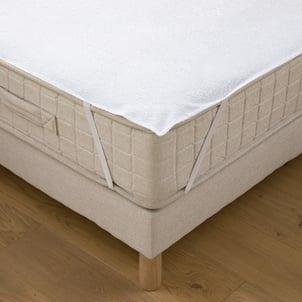
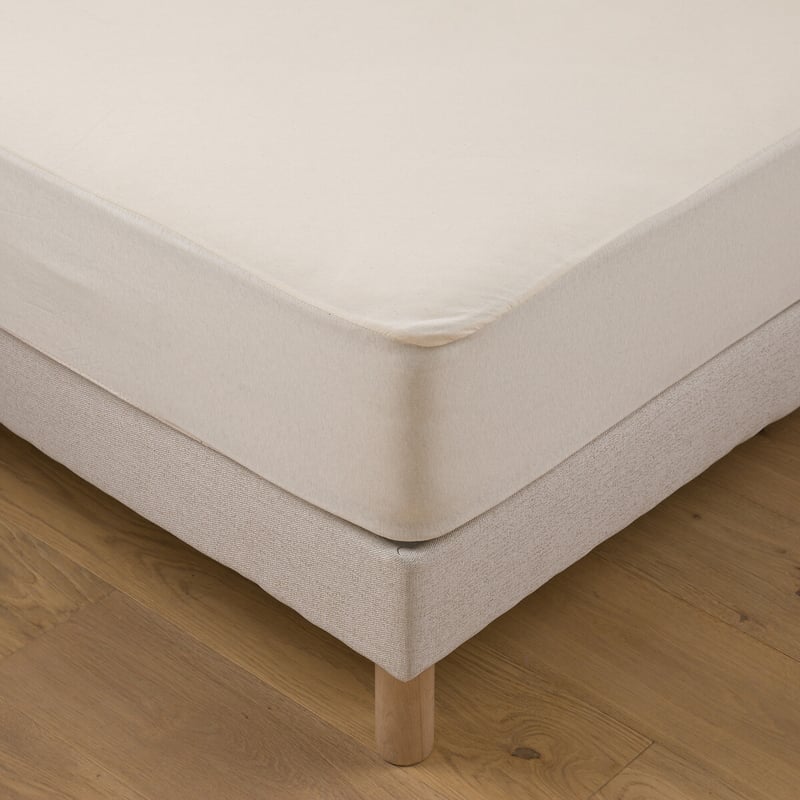
Once your new layer is in place, keep its job separate from protection. For everyday care, mattress protectors help shield the sleeping surface from sweat and marks, but only a product described as waterproof should be relied on as a barrier against spills. A topper’s fabric cover may be removable without being waterproof, and a padded surface alone is not protection against liquid. Where the product instructions allow, place a suitable protector over the topper and beneath the fitted sheet. This keeps the comfort layer closer to your body while making routine cleaning easier. Choose protection that fits, so the fabric does not pull tightly across the cushioning or gather beneath you. Read the care instructions for the filling and the cover separately. A washable outer cover does not mean the whole topper can go in the washing machine. Foam interiors often need local cleaning rather than soaking, while other fillings may require professional cleaning or a machine large enough for the item to move freely. Follow the label rather than applying one method to every material. If liquid reaches the filling, act promptly using the recommended cleaning method and allow it to dry completely before covering it again. Avoid guessing with high heat. The practical rule is check before washing, not after the filling has become heavy and difficult to handle. Build maintenance around the construction. Shake and plump loose fillings when instructed, smooth out displaced areas and rotate the topper only if the maker recommends it. Do not assume that every model can be turned over: some have a specific upper surface or different layers inside. When changing the bedding, check for dampness, bunching, split seams or filling that no longer spreads evenly. If the bed becomes uncomfortable, inspect the mattress underneath as well rather than immediately blaming the top layer. Judge condition by comfort and condition, not a fixed replacement calendar. A clean, dry topper that still lies evenly and provides the feel you chose can continue doing its job.