
A living room can feel bright enough for finding your keys yet uncomfortable for spending an evening in. Often, the problem is not a shortage of light, but where it comes from. Layered lighting means using separate sources for general visibility, close-up activities and softer background light. You can then change the balance as your evening changes. You do not need a matching collection of fittings, or a lamp in every corner. You need a clear purpose for each light. Here is how to assess your home after dark and build a practical lighting plan around the way you actually use it.
Where should you start with living room lighting?
Begin after the natural light has faded, with your usual evening lighting switched on. Walk into the room, follow your normal route and sit where you spend most time. Notice what is difficult to see, but also what feels unnecessarily bright. A glaring ceiling fitting and a dark far wall can exist in the same space. Adding a stronger bulb overhead may exaggerate that contrast rather than solve it. Instead, start with the gaps: the doorway you cannot judge clearly, the corner that disappears, or the area where your eyes struggle to adjust when you look away from the brightest source. Next, establish enough general light to move around comfortably. This does not mean making every surface equally bright. It means keeping the room readable, with clear routes and some light beyond its centre. If you are considering pendant lights, look at where their shades send the light rather than judging their size alone. A closed-sided shade may concentrate brightness beneath it while leaving the surrounding space relatively dim. An open or translucent design can spread more light sideways, depending on its construction. The useful question is whether the fitting helps you see across the room, not simply whether it looks substantial overhead. Then consider the room’s boundaries. Light falling on a wall makes that surface visible and can reduce the contrast between a bright centre and dark edges. Where floor space is limited, wall lights can provide this background layer without adding another freestanding object. Check whether the fitting directs light upwards, downwards or both, as the effect will differ. You need not illuminate every wall; start with the one that otherwise disappears from your main seat. In darker interiors, surfaces reflect less light, so position matters especially. Aim for a balanced background that supports everyday movement and leaves room for more focused lighting where you need it.
How do you position light for reading and relaxing?
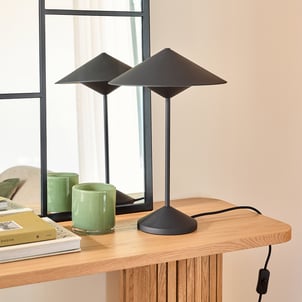
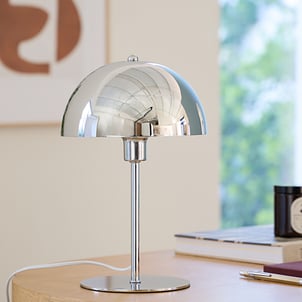
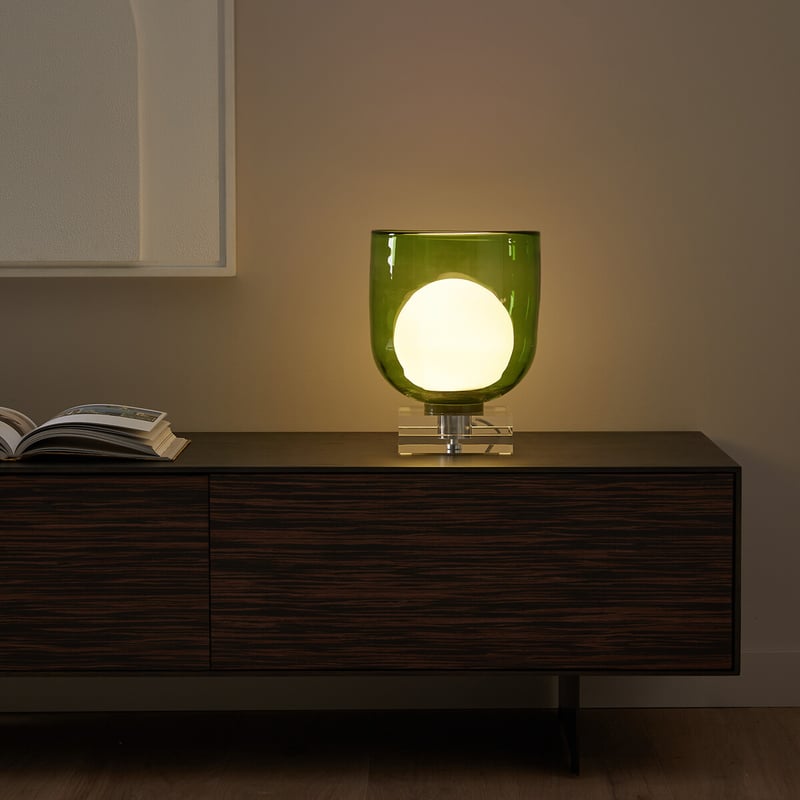
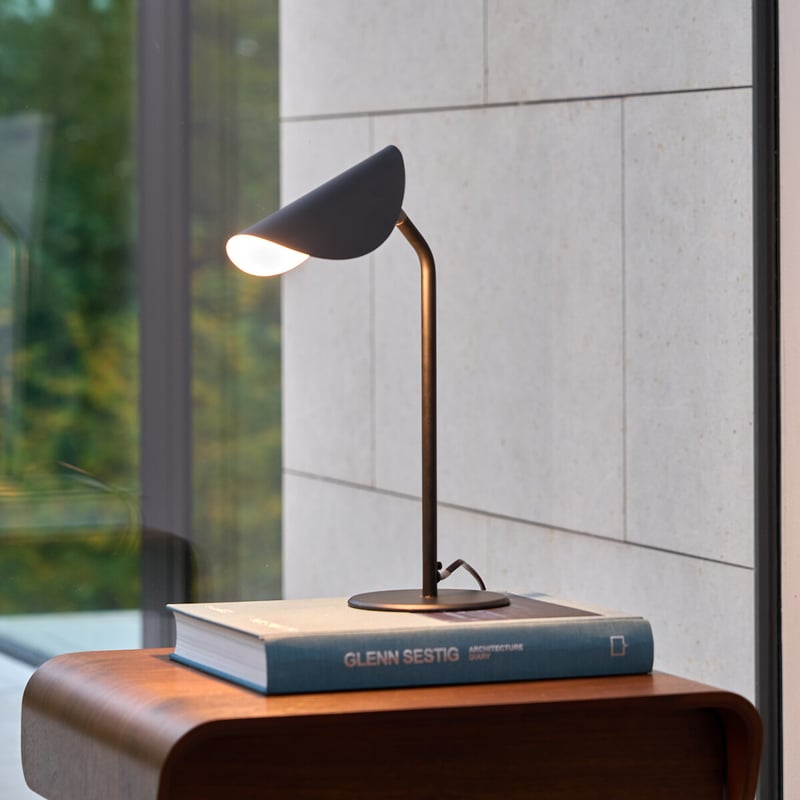
Once you can move around comfortably, focus on what you do while seated. Reading, sewing and looking through paperwork need light on the activity itself, not merely somewhere nearby. For flexible placement, floor lamps let you bring the source closer without relying on a convenient surface. Position the light slightly to the side and, where the design allows, behind your shoulder. Then test it with your book open. Your head should not block the beam, and your hand should not cast an awkward shadow across the page. Light the task first, then judge whether the surrounding area still feels comfortable rather than leaving yourself in an isolated bright pool. Check the shade from your actual seated position, not while standing beside the fitting. If you can see a bright exposed bulb, moving the lamp a little or choosing a deeper shade may make it more comfortable. With table lamps, the height of the supporting surface affects where that bulb sits in your line of sight. This is why a lamp that works beside a low seat may feel glaring on a higher table. Before choosing a new design, measure the available position and compare it with the fitting’s dimensions. The aim is to hide the bright source while allowing useful light to reach the page. Relaxing with a screen calls for a different check. Switch the screen off briefly and look for reflected bulbs or bright patches from your usual seat. Reposition portable lighting until those reflections are reduced, then check again with the screen on. A gentle background light can make the contrast with the surrounding room less stark, but it should not shine directly onto the display. If people regularly sit in different places, test each viewpoint before deciding the position works. Adjustable fittings are useful when activities change, provided you can direct them without dazzling someone else. Check every occupied seat rather than designing the whole arrangement around a single viewing angle.
Which bulbs and shades make evening light comfortable?
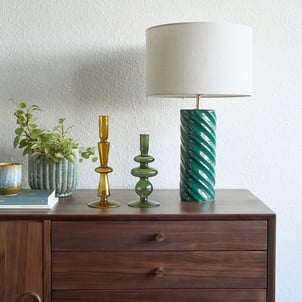
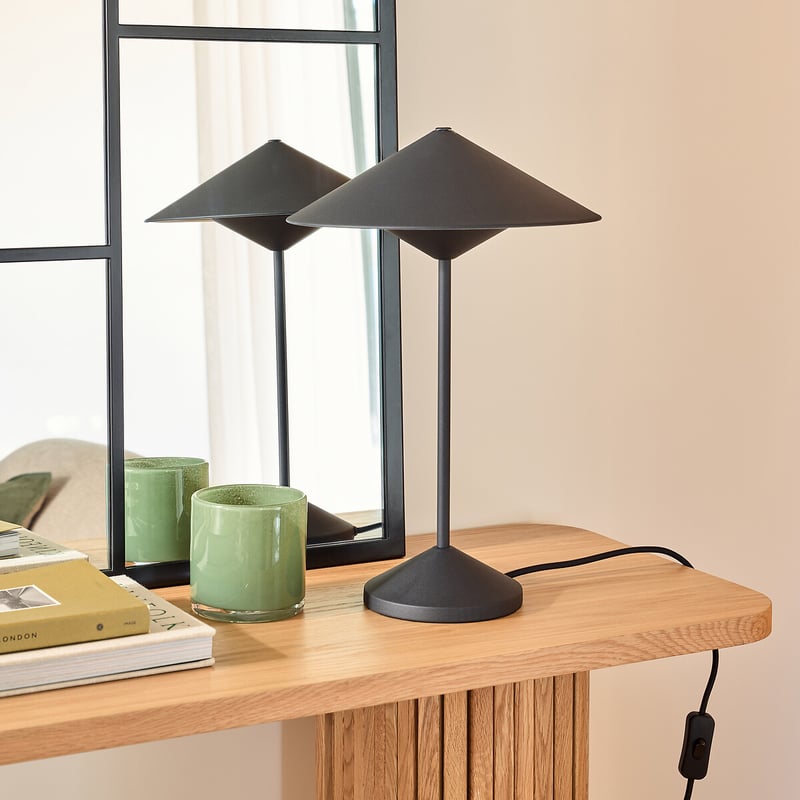
Choose brightness and colour separately. Brightness tells you how much light a bulb produces; its colour describes whether that light appears warm or cool. On packaging, lumens measure light output, so use that figure when comparing brightness rather than relying on the bulb’s size. For a living room used mainly in the evening, warm white is a useful starting point. However, a warm bulb can still be uncomfortably bright if it is exposed at eye level. Separate warmth from brightness when assessing a problem: a colder-looking light needs a different change from one that is simply too strong for its position. The shade then changes how that light reaches you. An opaque shade directs more of the output through its openings, while a translucent shade allows some light through its sides. Neither is automatically better; choose according to the job you want the fitting to do. For example, a rattan light shade can cast patterned shadows through its gaps, depending on the weave and bulb position. That may bring interest to a plain wall, but the same pattern could be distracting across a reading area. Judge the light pattern as carefully as the unlit appearance, especially if you want soft, even background lighting. Think about the bulbs you will see together, too. A noticeably cool source beside warmer lighting can look accidental, even when each fitting is attractive on its own. Compare the colour descriptions on the packaging and, where possible, try the lights together after dark. Identical bulbs may still appear different behind coloured or thick shades, so the final test belongs in your room. If you are choosing a separate floor lamp base, check the recommended shade size and attachment before buying. A suitable fit keeps the shade properly supported and the bulb appropriately covered. Check the fitting requirements, including the permitted bulb type and maximum rating, rather than assuming any bulb and shade will work.
What makes layered lighting easy to use every evening?
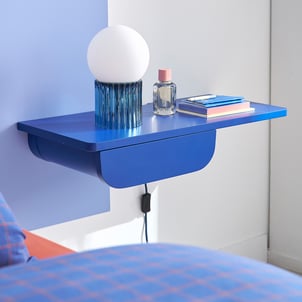
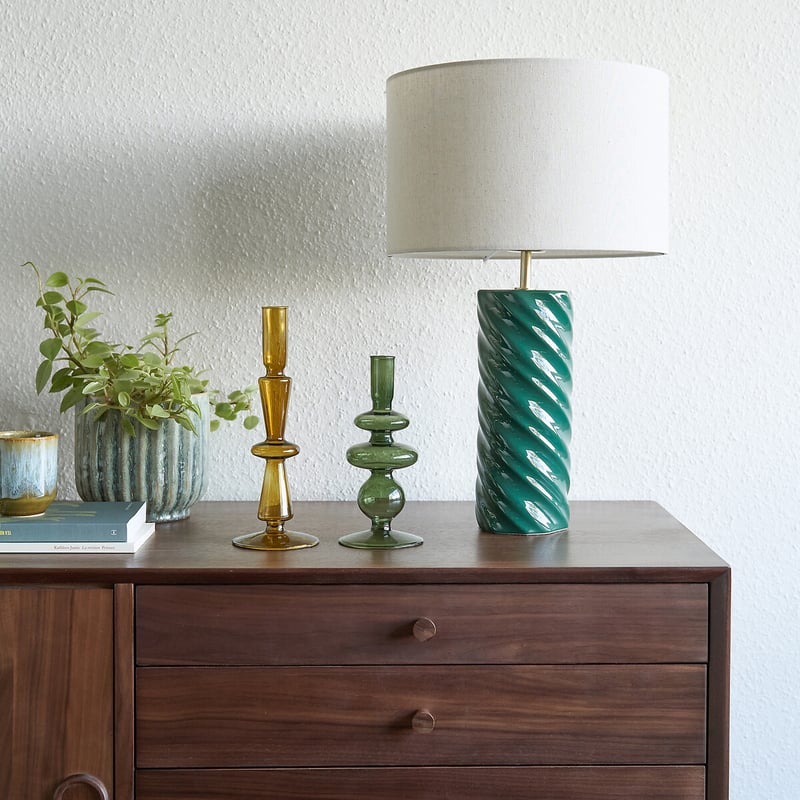
A functional arrangement should be easy to change when your evening changes. Think through arriving home, reading, watching something and leaving the room for bed. You may want broad visibility at first, a focused pool of light later, then only a gentle background glow. Control each layer separately wherever practical, so you are not forced to choose between everything on and everything off. Before adding fittings, test different combinations of the lights you already have. This often reveals that one carefully positioned addition would be more useful than several decorative sources that all perform the same job. Keep what helps and identify what is still missing. If you want adjustable brightness, check the whole arrangement before choosing bulbs or controls. Not every bulb can be dimmed, and a dimmable bulb must also be suitable for the fitting and dimmer switch being used. Follow the manufacturers’ compatibility guidance; an unsuitable combination may flicker or fail to dim properly. You can still create different evening settings without dimmers by switching separate lights on and off. The practical benefit is choice, not complexity. Make controls easy to reach from the doorway and your usual seat where possible, so a comfortable lighting plan does not depend on getting up repeatedly or reaching behind awkwardly placed fittings. Finally, review the less visible details before settling the layout. Keep cables away from walking routes and check that portable fittings stand securely where they will be used. Do not drape fabric over a shade to soften its output; choose a suitable shade or bulb instead, following the fitting’s instructions. Changes to fixed wiring should be assessed and carried out by a qualified electrician. Once everything is in place, test an ordinary evening rather than judging the result with every light switched on. Can you enter safely, read comfortably and lower the brightness without losing your way? Those everyday checks tell you more than a photograph of the finished room.