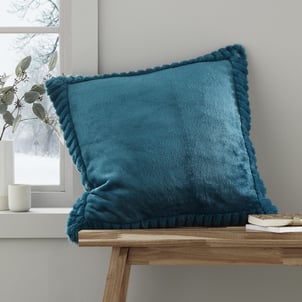
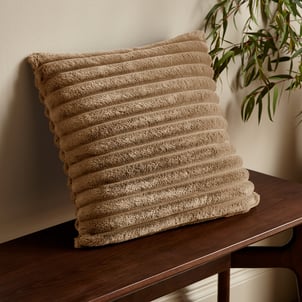
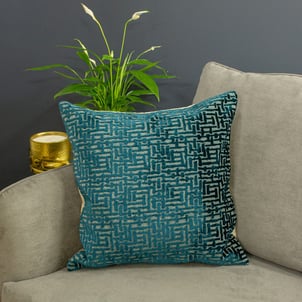
Velvet can bring depth to a modern interior without making the room feel formal or crowded. The simplest starting point is a cushion cover: a small area of fabric lets you explore its softness and changing colour without committing to upholstered furniture. But the result depends on more than choosing a shade you like. Surface sheen, cushion size, neighbouring fabrics and everyday cleaning all influence how velvet feels in your home. We’d suggest making those decisions in that order. This guide explains how to use velvet cushions with restraint, choose covers that suit your routine and keep their distinctive surface looking good.
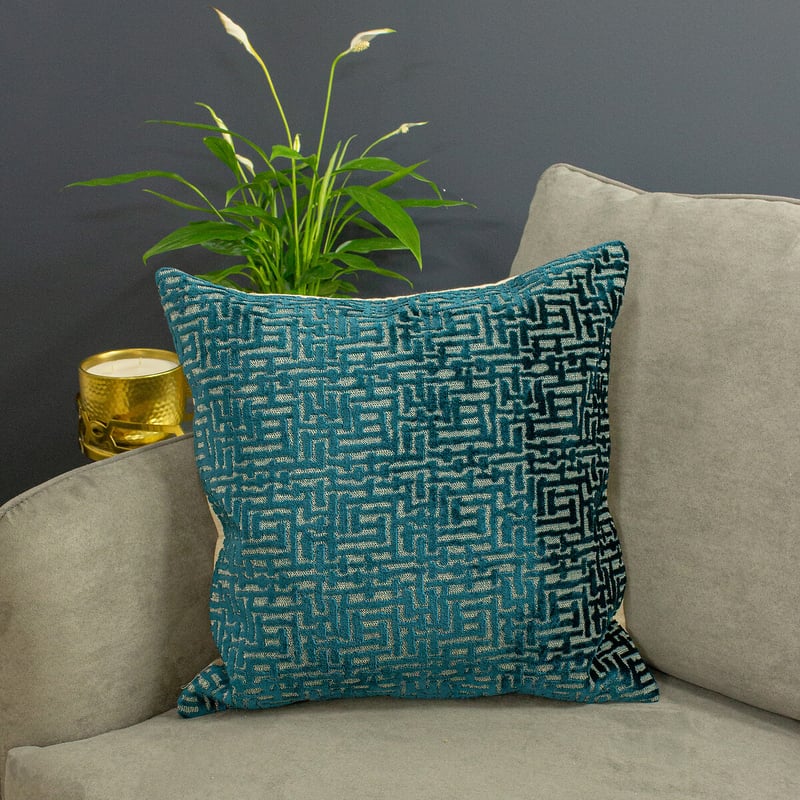
What makes velvet cushions work in a modern interior?
Velvet draws attention because its surface catches light differently as you move around it. The short, upright threads can make the same cushion appear lighter from one direction and darker from another. That gives even a plain cover plenty of visual interest. To keep the effect controlled, start with contrast: notice whether your existing cushions look flat, patterned, shiny or heavily textured. Velvet is often most useful when it adds something missing, rather than repeating an effect already everywhere. If the surrounding fabrics are smooth and understated, a velvet cushion can provide depth without needing decorative stitching, tassels or a busy print. Before choosing a size, look at how you actually sit. A deep cushion may feel comfortable against your back but take up too much space on a shallow seat. On chairs used daily, check that a cushion leaves you room to sit properly without pushing you forwards. On a sofa, resist filling every available gap. Keep sitting space clear so the arrangement supports everyday use rather than becoming something you constantly remove. You can test the footprint with a cushion you already own, placing it where the velvet version would go and checking whether the proportions feel comfortable and look balanced. Think about where your eye lands when you enter the room. If every cushion has a strong sheen, contrasting trim or unusual shape, there is no clear place to rest your attention. Instead, choose a clear focus and let the surrounding covers stay quieter. A velvet cushion can be that focus, but it does not have to be the largest or brightest piece. Sometimes a muted shade is enough because the surface supplies the interest. This is what keeps the design feeling current and relaxed: each detail has a purpose, and the cushions still belong to a room that you use, rather than an arrangement you hesitate to disturb.
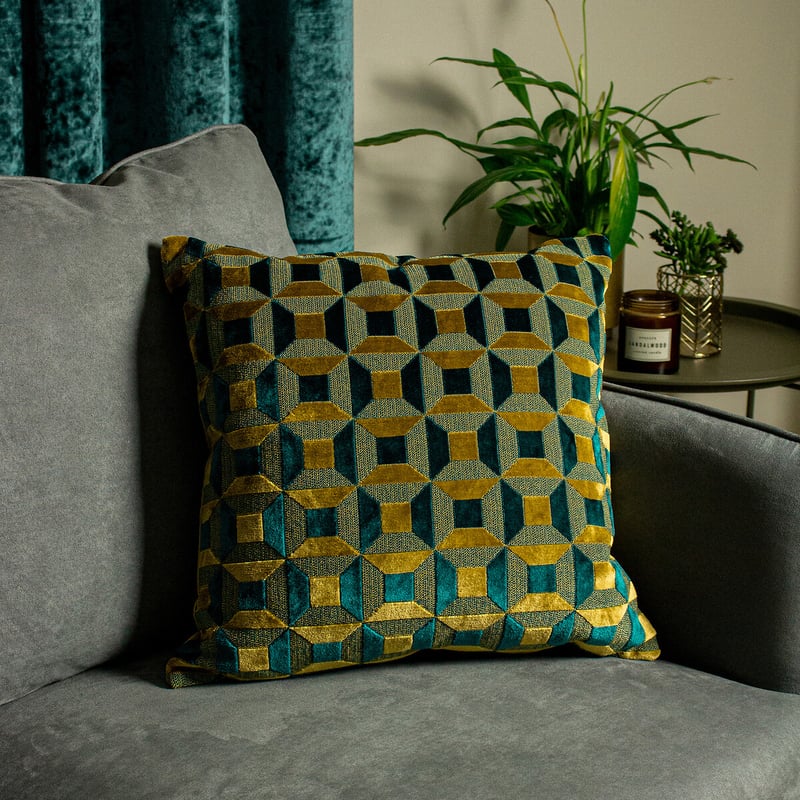
Which velvet cushion fabric will suit your everyday life?
Velvet describes a fabric with a surface of closely packed, upright threads; it does not identify a single fibre. You will find versions containing cotton, synthetic fibres or a mixture. Fibre content matters, but it cannot tell you everything about softness, shine or cleaning. A cotton velvet may look relatively subdued, while some synthetic versions reflect more light, yet finishes vary. Compare the actual surface wherever possible. Read the composition and care information together, then examine close-up photographs or a sample if available. For a cushion handled every evening, how the material feels against your skin matters just as much as its appearance. Pay attention to what the surface does when it is stroked in opposite directions. A strong light-to-dark change can be attractive, but it also makes handling marks more noticeable. These marks are not automatically stains: the upright threads may simply be lying differently. If you prefer a more uniform look, choose a quieter finish rather than expecting a highly reflective cover to stay visually unchanged. Also check whether the reverse uses the same cloth. A different backing is not necessarily a drawback, but it changes what you see when the cushion turns over, especially on seating viewed from several sides or moved around frequently. The cover and its filling need to work together. Check the fit first: a cover stretched tightly over an unsuitable filling can pull at the zip and seams, while an underfilled cushion may collapse instead of supporting you. Follow any filling guidance supplied with the cover rather than assuming every square cushion fits alike. Check that the cover is removable if separate cleaning is part of your plan, and read the care label before buying. Washable is useful only if the instructions suit your routine. For a heavily used seat, a cover you can care for confidently may be a better choice than a finish you feel obliged to protect.
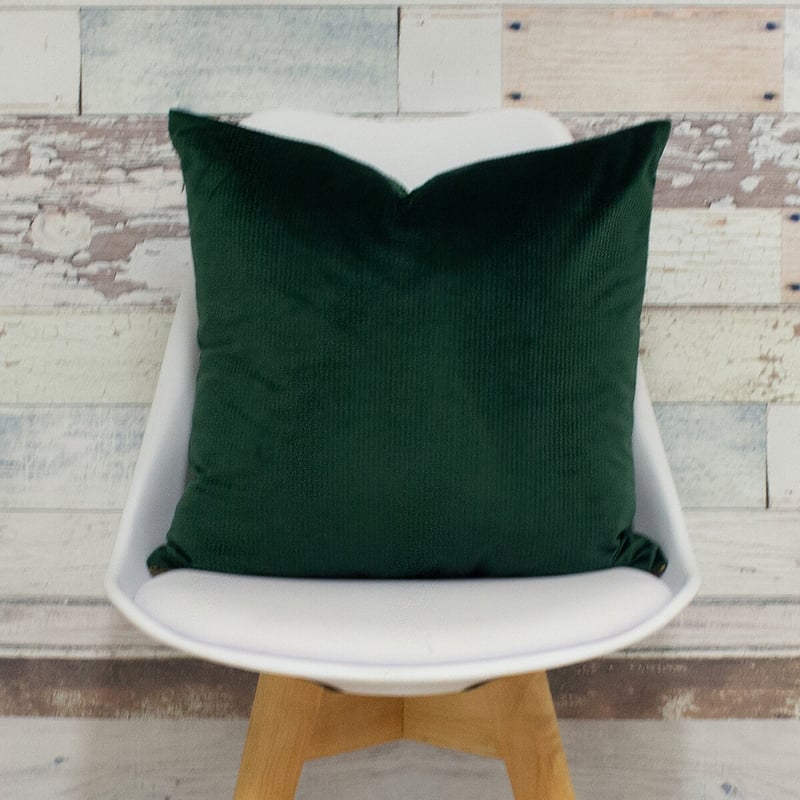
How do you combine velvet cushions without visual clutter?
Begin with a colour already present in the room, then decide whether your velvet cushion should blend in or stand apart. A shade close to the seating colour creates a gentler distinction, with the velvet surface doing most of the work. A contrasting shade draws the eye more directly. Neither approach is inherently more modern; what matters is whether the choice relates to the rest of your interior. Repeat an existing colour if you want an easy starting point, but do not expect an exact match across different fabrics. Velvet’s changing surface can make matching shades appear noticeably different under the same light. When mixing cushion covers, give each fabric a clear role. Velvet can provide softness and depth; a plain cotton cover can offer a quieter surface; a patterned cover can connect colours that otherwise feel separate. You do not need all of these effects. Let texture lead when you prefer a restrained arrangement, keeping the colours close and allowing the surfaces to differ. If pattern is your main interest, use plain velvet beside it rather than adding another competing motif. Notice the edges, too. Several contrasting borders, fringes and decorative fastenings can create more visual noise than the main fabrics themselves, even when the colours agree. Arrange the cushions, then step back to the places where you usually see them: the doorway, your favourite seat or across the room. Check the whole view rather than judging each cover separately. A cushion that looks appealing close up may disappear against the upholstery or appear much brighter in daylight. Look again with your usual evening lighting before deciding. You can also turn the covers so their surfaces catch the light similarly, if their construction allows it. If the grouping still feels busy, remove the cushion that introduces the least useful extra colour or detail. Subtraction often makes the remaining choices easier to appreciate without making the room feel bare.
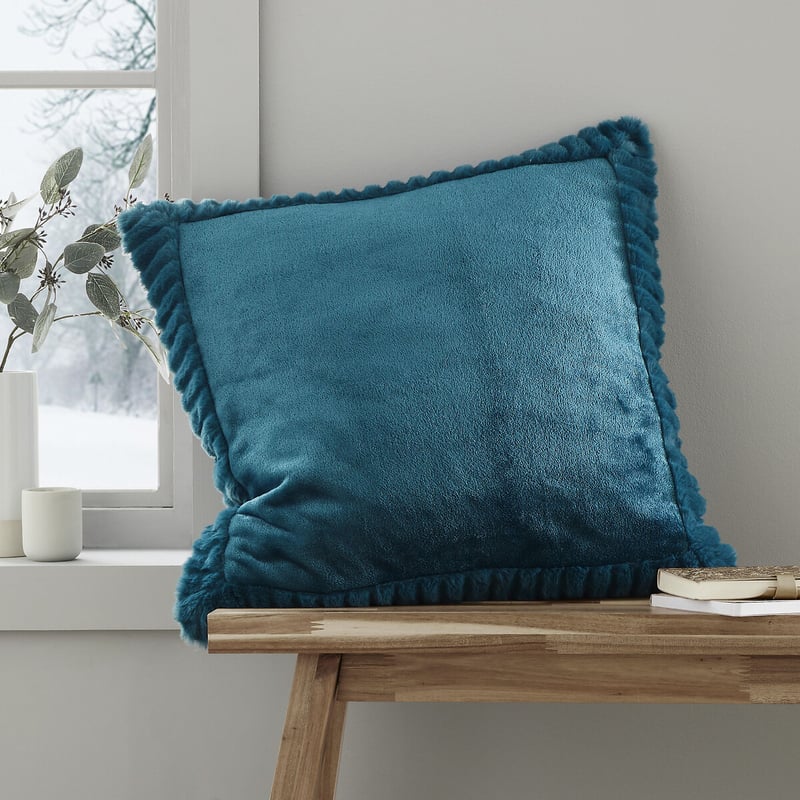
When should you clean velvet cushion covers?
Start with the care label, not a general cleaning recipe. Some velvet cushion covers can be washed according to specific instructions; others require professional cleaning. The fibre name alone is not enough to decide. Follow the care label for the cover and check any separate guidance for the filling. Between cleans, remove loose dust gently using the method recommended by the manufacturer. If vacuuming is permitted, use a suitable upholstery attachment and gentle suction rather than dragging a floor head across the surface. Check the seams and zip while you handle the cushion, so a small opening does not become a larger problem through continued use. For a fresh spill, act promptly without scrubbing. Blot rather than rub with a clean, dry, white cloth to absorb liquid, using light pressure. Then consult the care instructions before applying water or any cleaning product. Overwetting can leave marks on some velvets, and rubbing can disturb the surface. If spot cleaning is allowed, test the recommended method on a hidden area first and let it dry before treating the visible patch. Avoid experimenting with household mixtures just because they work on another fabric. For an uncertain or persistent stain, a professional cleaner can advise whether treatment is appropriate for that particular cover. Daily care also means knowing what does not need cleaning. A pale or dark patch that changes when viewed from another direction may be the surface lying differently, rather than dirt. Avoid unnecessary treatment, especially heat or steam unless the manufacturer specifically permits it. Keep velvet cushions away from prolonged direct sunlight where practical, as exposure can fade fabrics over time. Rotate cushions between similarly used positions if that helps distribute wear, but do not expect every surface to remain identical for years. Follow drying instructions after any permitted wash, and make sure the cover is fully dry before replacing the filling. A manageable care routine matters more than chasing an unchanging finish.