How to choose the right rug for your home
A rug can change how a room feels underfoot and how it works day to day. It can soften hardwood floors in the living room, help keep bedroom feet warm beside the bed, or catch dirt at the front door entrance before it spreads through the house. If you are choosing between different rugs, the best place to start is not colour alone. Think first about room size, pile height and care needs. These three points will help you find a rug that looks right, fits the space and suits your routine.
When you shop for rugs, it helps to picture real use. In a busy family living room, a thick shaggy pile may feel cosy, but it can also trap crumbs and pet hair. In a hallway, a long runner needs enough grip and a practical finish so it stays neat near the door. In a bedroom, a softer option can make early mornings much more comfortable. By matching the rug to the way you live, you avoid buying something that looks good in the store but feels awkward at home.
Start with the room and its layout
The size of the room should guide your first decision. A rug that is too small can make furniture look as though it is floating apart. A rug that is too large can leave the room feeling crowded, especially in smaller homes or flats. Before you look at price or pattern, measure the floor area you want to cover and note where key furniture sits.
Living room rugs: anchor the seating area
In the living room, the rug should connect the main pieces of furniture. If you have a sofa, coffee table and one or two armchairs, aim for a size that lets at least the front legs of the seating sit on the rug. This gives the room a more settled look and helps soften hardwood floors in the living room, especially if the floor can feel cold or echo slightly.
For example, in a medium-sized room, a rug placed under the coffee table but stopping short of the sofa can look undersized. A larger rug that reaches under the front legs of the sofa creates a clearer zone for conversation and helps reduce noise from footsteps. If you often move side tables or pouffes around, leave enough border around the edge so the rug still looks balanced.
Bedroom rugs: comfort where you need it most
In the bedroom, think about where your feet land first. Many people choose a large rug under the bed, with enough space showing on both sides and at the foot. Another practical option is to use two smaller rugs beside the bed, especially in narrower rooms where a full-size rug may not fit well. This works particularly well for keeping bedroom feet warm beside the bed on colder mornings.
If your bed sits close to wardrobes or drawers, make sure the rug does not block doors or catch under furniture when you open storage. A low profile rug is often easier in compact bedrooms because it does not interfere with movement.
Hallway and entrance rugs: practical first impressions
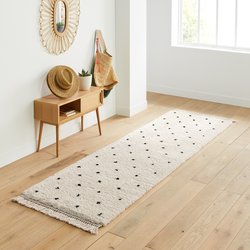
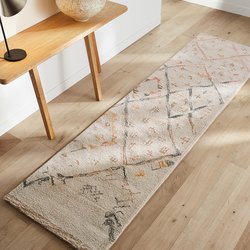
The entrance sets the tone for the rest of the home, but it also deals with shoes, bags and outdoor dirt. A runner or compact rug near the front door entrance can help catch dirt at the front door entrance and protect the floor from daily wear. Choose a shape that leaves enough room for the door to open freely. If the door swings inward, a low pile or flatweave rug is usually the safer option.
In a narrow hall, a runner can draw the eye forward and make the space feel longer. Look for a rug with a finish that is easy to shake out or vacuum, because this area tends to need more frequent cleaning than a bedroom or sitting room.
Choosing the right pile for daily life
Pile refers to the height and density of the fibres. It changes how a rug feels, how it wears and how much care it needs. This matters more than many shoppers expect. A high pile rug may feel soft and warm, while a low pile rug often handles regular foot traffic more easily.
Low pile rugs for busy spaces
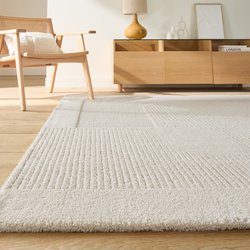
Low pile rugs are a practical choice for living rooms, dining spaces, hallways and entrances. They are easier to vacuum, chairs move over them more smoothly, and they are less likely to trap dust. If you have children playing on the floor, a low pile rug still gives comfort without making toy pieces disappear into deep fibres.
Near a door, a low pile finish is especially useful. Mud, grit and small leaves are easier to remove, and the rug dries more quickly if shoes come in damp from outside. If you want a simple everyday option, this style often offers the least fuss.
Higher pile rugs for softness and warmth
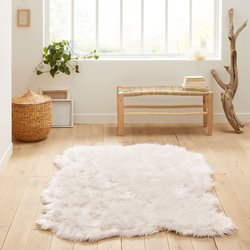
Higher pile rugs suit rooms where comfort matters more than heavy traffic. Bedrooms are a good example. A deeper pile can feel pleasant beside the bed and make the room seem warmer. In a sitting room used mainly for relaxing rather than constant footfall, a plush rug can create a softer feel underfoot.
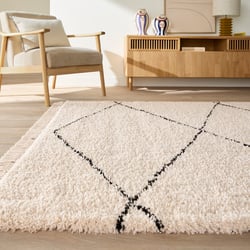
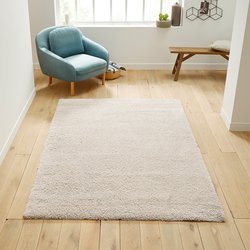
That said, a thicker pile needs more attention. It may hold onto fluff, crumbs or pet hair, and furniture can leave deeper marks. If you enjoy the look of a fuller pile, think about whether you are happy to brush, shake or vacuum it more often.
Material choice: what works best for you?
The material affects texture, appearance and maintenance. Some rugs feel soft straight away, while others are chosen for durability or a more natural look. The right material depends on where the rug will sit and how you use the room.
Natural fibres for texture and a relaxed look
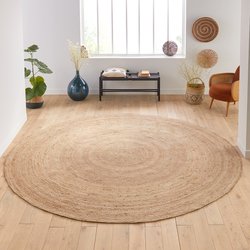
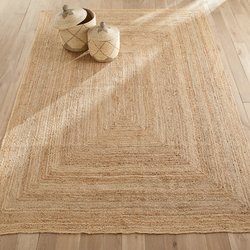
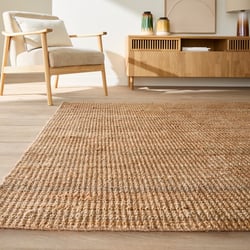
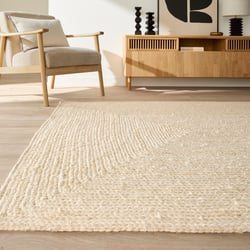
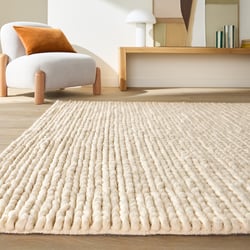
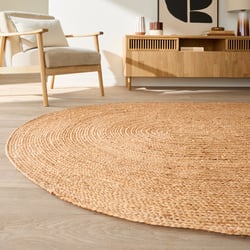
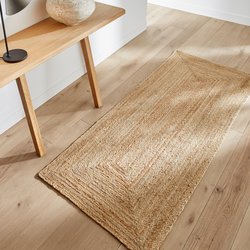
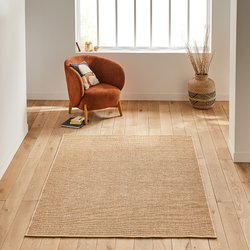
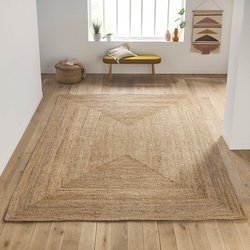
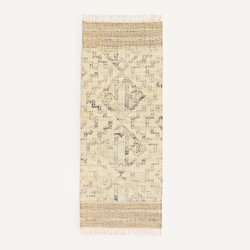
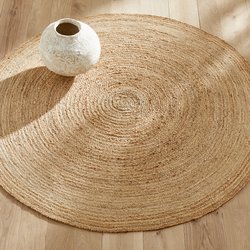
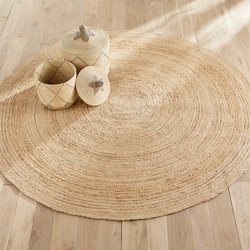
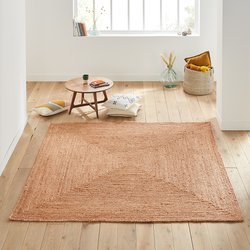
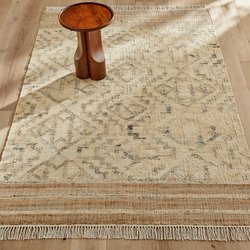
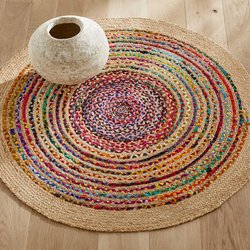
Jute, wool and cotton are popular natural choices. Jute brings texture and a grounded look that suits many interiors, from simple modern rooms to more layered spaces. At La Redoute, the Aftas Woven Jute Rug, natural, LA REDOUTE INTERIEURS stands out for its clean lines and effortless simplicity, making it a strong option for anyone who wants a rug with a calm, easy-to-place finish.
A natural fibre rug can work well in a living area, under a console, or in a bedroom where you want texture without too much visual weight. Do keep in mind that some natural fibres are best in dry areas rather than spots where spills are common. If you place one near the door, regular shaking and prompt cleaning will help it stay looking fresh.
Soft synthetic fibres for easy care
If simple upkeep is your priority, synthetic materials can be a smart option. They are often more resistant to stains and easier to clean, which makes them useful in busy homes. In a family room where drinks, snacks and everyday traffic are part of daily life, these rugs can be more forgiving.
For homes with pets or children, easy-care fibres can save time. A quick vacuum and spot clean may be enough for many marks, which is helpful if you do not want a rug that needs special treatment after every spill.
Wool rugs for comfort and durability
Wool is often chosen for its balance of softness and resilience. It can feel comfortable underfoot while still coping well with regular use. In a living room, wool rugs can help make the seating area feel warmer and more settled. In bedrooms, they add comfort without always needing the very deep pile of a shaggy style.
When comparing price, remember to think beyond the first day of use. A rug that keeps its shape and texture over time may prove the better offer for your home, even if the initial price is a little higher than another option.
Practical care: pick a rug you can live with
Maintenance should never be an afterthought. A rug may suit the room visually, but if cleaning feels difficult, it can quickly become frustrating. Before you buy, ask yourself how often the area gets used, whether shoes are worn indoors, and if spills are likely.
- For entrances and hallways, choose easy-care materials and a low pile.
- For bedrooms, focus on softness, but check how much brushing or vacuuming the pile needs.
- For living spaces, look for a balance between comfort and simple upkeep.
- For homes with children or pets, consider fibres that handle frequent cleaning well.
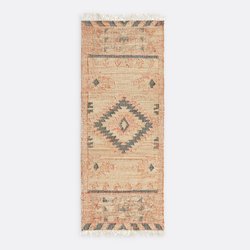
A practical example: if you place a pale rug by the front door, it may look lovely on day one, but it will show marks quickly if your household comes in with outdoor shoes. In that case, a patterned runner or a darker tone may be the better option. In contrast, a light rug in a bedroom sees gentler use and can be easier to keep looking fresh.
Style, colour and pattern without guesswork
Once size, pile and material are sorted, you can think about style. If your room already has patterned curtains, cushions or wallpaper, a simpler rug often helps the space feel calmer. If the furniture is plain, patterned rugs can add interest without taking over the room.
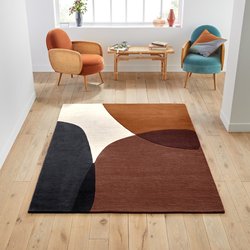
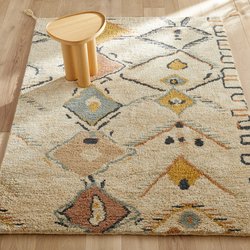
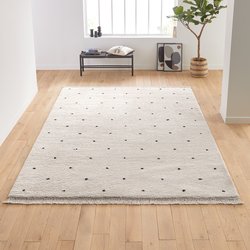
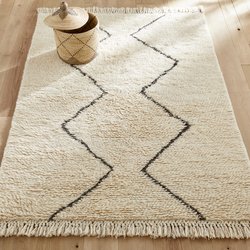
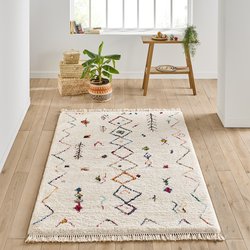
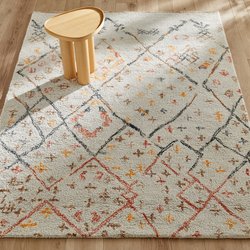
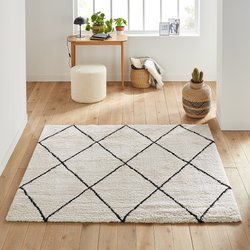
Colour also affects how the room feels. A green rug can bring freshness to a neutral scheme, while warm earth shades can make a large room feel more welcoming. In smaller spaces, lighter tones may help the floor area seem more open. In homes where marks are a concern, a mid-tone or patterned design often proves easier to live with than a very pale plain rug.
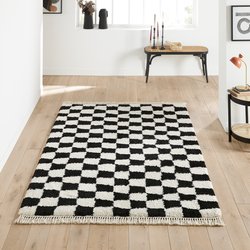
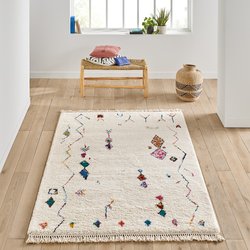
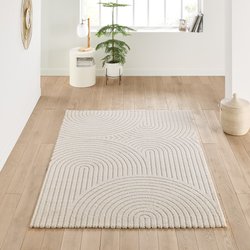
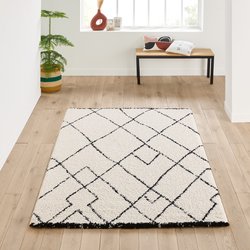
If you like to compare different looks, our selection includes varied options such as rugs so'home, rugs mapoésie x la redoute intérieurs, rugs my utility, rugs wylder and rugs am.pm. Looking across these ranges can help you decide whether you prefer a graphic pattern, a simple woven texture or a more understated finish for your home.
Think about movement, furniture and daily routines
A rug should fit your routine, not just your floor plan. If you often slide dining chairs back and forth, a thick pile may become annoying. If you like to sit on the floor in the living room for games or films, a softer rug may make more sense than a very flat one. If you open a buggy, carry shopping bags through the hall or have a dog racing in from the garden, choose a rug that can cope with that kind of movement.
It is also worth checking whether you need a rug pad underneath. This can help reduce slipping, especially on smooth flooring, and may improve how the rug sits over time. In high-traffic areas, this small extra can make the rug feel more secure from day to day.
Buying online: details worth checking before you order
When you shop online, read dimensions carefully and compare them with your room measurements. Use masking tape on the floor to mark out the rug size before you order. This gives you a much clearer sense of scale than looking at product photos alone.
Also check care instructions, expected delivery times and whether there is a free delivery offer on selected lines. If you are ordering for a hallway or entrance, timing can matter more than you think. A rug arriving before guests stay over or before a busy week starts can make settling it into the home much easier.
If you are comparing one store with another, look at more than price. Consider fibre type, pile, maintenance and how the rug will actually be used in your room. A slightly higher price may still be the better option if it saves effort and suits the space more closely.
Finding the rug that fits your home
The best rug is the one that works for your room and your routine. Start with size so the layout feels right. Then choose the pile according to how much softness or practicality you need. Finally, pick a material that suits the level of care you are happy to give. That way, your rug does more than fill floor space: it supports the way you live, whether that means softening hardwood floors in the living room, warming your feet in the bedroom or helping manage dirt by the door.
With the right balance of shape, texture and upkeep, rugs can make each part of the home feel more comfortable and more usable every day.