Choose shelves that last
When you buy natural wood shelves, you want more than a good-looking piece on the wall. You want a shelf that can take real daily use, hold the weight you need, and suit the room where it will live. In a busy kitchen, that might mean jars, mugs and potted herbs. In a bathroom, it could mean folded towels and baskets. In a living room, you may want a row of favourite books, a candle, and a framed print. The best choice starts with the material itself: the type of wood, the way the shelf is supported, and how the size works in your home.
Natural wooden shelving brings warmth without feeling heavy. It works with painted walls, tiled splashbacks, soft neutral bathrooms and lived-in family rooms. Yet not all wood shelves behave in the same way. A slim floating shelf in oak will perform differently from a wider pine shelf fixed with visible brackets. If you are choosing carefully, it helps to think about durability first, then load-bearing needs, then room fit. That way, you end up with a product that suits your space rather than one that only looks right in a photo.
Start with the wood type
The first question is simple: what kind of wood do you want your shelf to be made from? The answer shapes the look, the strength and the maintenance. Solid oak is often chosen for its density and reassuring feel. It tends to suit shelves expected to carry more weight, such as cookbooks in the kitchen or a longer run of hardbacks in the living room. Pine is lighter in both appearance and weight, often easier to move and usually well suited to more relaxed uses such as decorative objects, small baskets or children’s storybooks. Other wooden options can include mixed wood constructions or shelves made with a solid wood veneer over a stable core, which can be useful for larger formats.
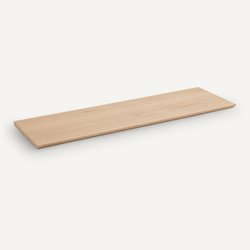
A natural finish lets you see the grain, knots and tone variations. That matters if you want the shelf to sit comfortably with an existing dining table, parquet floor or wooden chair. Some people prefer a cleaner, more even grain, while others like a shelf with character marks that make it feel more lived-in from day one. If you are matching other furniture, compare the undertone as well as the species. One oak shelf may lean honey-coloured, while another looks more muted and medium-toned.
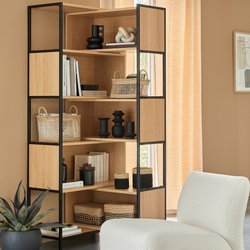
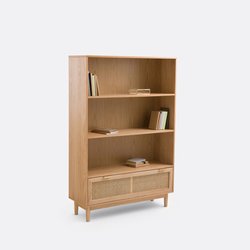
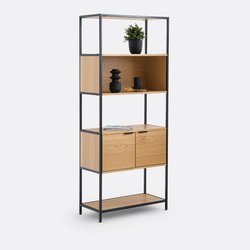
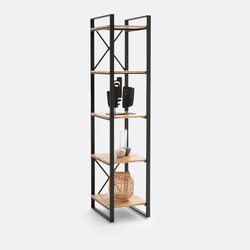
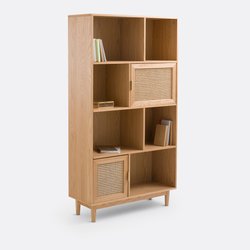
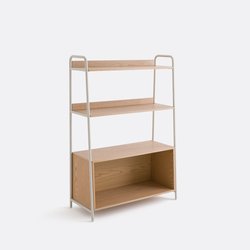
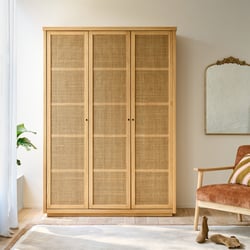
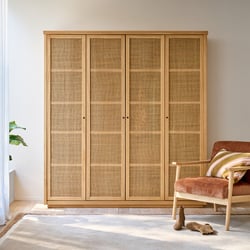
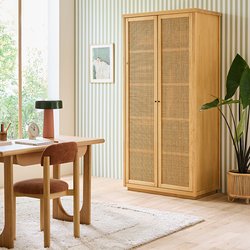
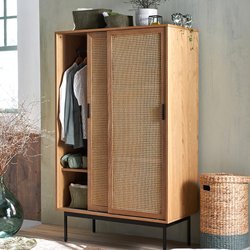
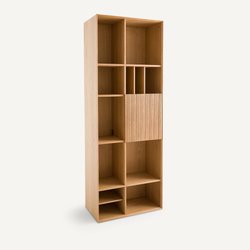
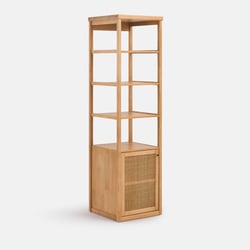
At La Redoute, the choice often goes beyond plain wall boards. Our selection includes pieces designed to blend storage and style in a practical way. According to our catalogue, the Laora Cane Bookcase, natural, LA REDOUTE INTERIEURS combines wood and rattan canework in a functional design, which is useful if you want open shelving with a softer look in a bedroom or living room.
Think about what the shelf needs to hold
A shelf that looks solid is not always the right one for the job. Before you buy, make a quick list of what you plan to place on it. Weight changes everything. A shelf for spices and small potted herbs does not need the same thickness or support as a shelf for large cookbooks, ceramic bowls or archive boxes. If you want to display potted herbs on natural wood shelves in the kitchen, you will need to think about moisture, easy cleaning and enough depth for pots to sit safely. A very narrow floating shelf may look neat, but it can feel awkward if the pots overhang the edge.
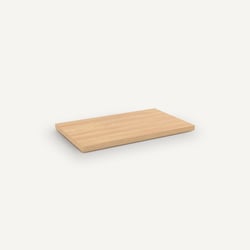
Support matters just as much as the material. A floating design gives a clean line, but the fixing system has to be suitable for the wall and the intended load. If your wall is plasterboard, the right fixings are essential. For heavier use, shelves with visible brackets can be a practical option because the support is easier to assess at a glance. A thick oak shelf with sturdy metal brackets can work well above a desk, where you may want boxes, files and a few objects within reach.
Length is another factor buyers sometimes overlook. The longer the shelf, the more likely it is to bow if overloaded or poorly supported. If you want one long run of shelving across a wall, check whether extra brackets are needed in the middle. For a bathroom, where the shelf may hold towels, bottles and a small basket, a shorter and deeper shelf is often more useful than a long shallow one. If you want to store folded towels neatly on natural wood bathroom shelves, choose a depth that allows a standard towel stack to sit comfortably without hanging over the front edge.
Choose the right format for each room
The room helps decide the best shelf shape and finish. In a kitchen, natural wood shelves can soften hard surfaces such as tiles, stone worktops and metal appliances. Here, practical details matter: can you wipe the surface easily, and is the wood finish suitable for a room where steam and splashes happen? Open shelving in a kitchen works best when the items used every day are easy to reach. Bowls, mugs and jars can be arranged by height, while herbs near a window get the light they need. A wall shelf with brackets can be especially useful if you want visible support and a rustic or workshop-inspired look.
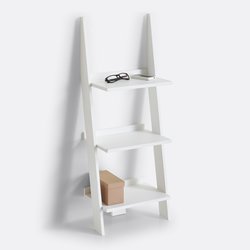
In a bathroom, shelving should feel calm but still cope with daily routines. A compact wooden shelf above the toilet or beside the basin can hold rolled flannels, a soap dish and a lidded jar. If your bathroom is small, a floating shelf can keep the room feeling open. If you need more vertical storage, a wooden ladder shelf or ladder unit can be helpful for towels and baskets without drilling several holes into tiled walls.
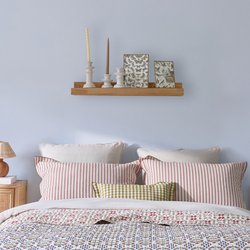
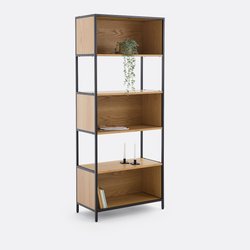
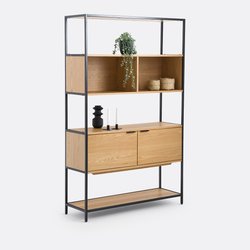
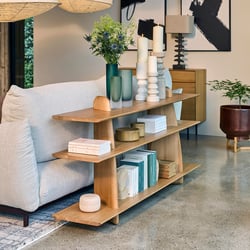
In the living room, shelves often do more than store. They frame what you use and enjoy every day. You might want to show favourite books and candles on living room shelves, with a small vase or a framed postcard between them. In that case, think about spacing between shelves, not only total height. Tall hardbacks, candles in glass holders and decorative boxes all need different clearances. If you prefer a larger storage piece rather than a single wall shelf, you may also want to browse bookcases la redoute interieurs or compare the mood of bookcases am.pm for a different finish and silhouette.
Floating shelves or bracket shelves?
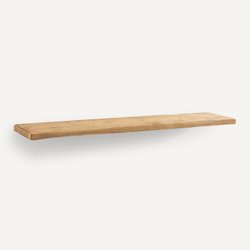
This is often one of the key buying decisions. A floating shelf has a streamlined look and works especially well in smaller rooms because it keeps visual lines simple. In an entrance hall, one floating oak shelf can hold a tray for keys and a bowl for loose change without making the wall feel busy. In a bathroom, a floating shelf under a mirror can look clean and practical. However, the hidden fixing system needs careful installation, and the weight limit should always be checked.
Bracket shelves are usually more forgiving when it comes to heavy use. The support is visible, often stronger for wider spans, and can become part of the look. Black metal brackets with a natural pine shelf suit an industrial-leaning kitchen, while shaped wooden brackets can feel softer in a cottage-style room. If you rent your home or plan to rearrange often, shelves with simple bracket systems can also be easier to remove and refit than some built-in floating options.
How to judge durability in a real home
Durability is not only about whether the wood is hard. It is also about whether the shelf suits your habits. If you cook often and keep oils, jars and herbs on open shelves, choose a finish that can be wiped after splashes. If children will reach for books every day, rounded edges may feel more comfortable than sharply cut corners. If the shelf is going into a hallway, think about whether bags or coats might knock against it.
- Check the thickness of the shelf if you plan to store heavier items.
- Check the fixing method and whether brackets are included or need to be bought separately.
- Measure depth carefully so baskets, books or towels sit properly.
- Consider the wall type, especially for floating shelving on plasterboard.
- Match the finish to the room, particularly in kitchens and bathrooms where moisture is part of daily life.
A durable shelf is one that still works for you after the novelty of installation wears off. That means no constant rearranging because items are too tall, no nervousness about placing a heavy planter on top, and no wasted wall space because the unit is too shallow or too high to use comfortably.
Natural wood shelves and the rest of your furniture
Natural shelves rarely stand alone. They sit beside tables, sideboards, desks and other storage pieces, so it helps to think about the room as a whole. If your furniture already includes warm timber tones, an oak bookcase or oak shelf can tie the scheme together. If you have painted furniture and want a lighter contrast, pine may feel easier and more relaxed. In a compact flat, one wall-mounted shelf can be enough above a radiator or desk, while a full shelving unit may suit a larger room with higher ceilings.
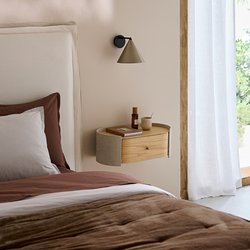
You can also mix shelf types. A floating shelf above a sofa might display a few objects, while a floor-standing unit nearby takes care of the practical storage. This is useful if you want the wall to stay airy but still need room for larger items. Some customers also like to pair open wall shelves with a ladder-style piece in another corner, using each one for a different purpose.
When browsing online, take time to view dimensions, material details and installation notes rather than relying only on the first image. If a product is available in more than one size, compare what each one will actually hold. A medium shelf can be more useful than a very long one if your wall space is broken up by switches, windows or a radiator. We also know that practical details matter when you are planning a room, so checking stock, delivery times and whether fittings are included can save time later. Many shoppers also look for free collection options or home delivery depending on how quickly they want to install their new storage.
What you need to know before buying
What type of wood is best for shelves?
The best type of wood for shelves depends on what you want the shelf to do. If you need a shelf for heavier loads, hardwoods such as oak are often a strong choice because they feel dense and stable. If the shelf is mainly for lighter use, such as a few framed photos, small bowls or bathroom accessories, pine can work well and often brings a softer, more casual look. There is no single answer for every room, because the best wood is the one that matches the weight, location and style you need.
A good way to decide is to break the choice into three points:
- Use oak for shelves carrying books, crockery or larger objects.
- Use pine for lighter storage or when you want a lighter visual effect.
- Check whether the shelf is solid wood or a wood-based construction with veneer, especially for wider formats.
The main pitfall is choosing by appearance alone. A slim natural shelf may look substantial in a photo, but if it is long and lightly supported, it may not suit heavy hardbacks or ceramic planters. Another mistake is ignoring the room itself. In a kitchen, for example, a shelf above a worktop should be easy to wipe and deep enough for jars or herbs. In a bathroom, you may want wood that keeps its look with regular moisture in the air, plus a finish that is practical for everyday cleaning.
For a concrete example, imagine you want shelving above a kitchen counter for olive oil, tea tins and three small herb pots. A medium-depth oak shelf with brackets may feel more reassuring than a very narrow floating pine shelf, because the load is concentrated and the pots need a stable base. On the other hand, in a guest room, a pine shelf above a bedside table may be entirely suitable for a lamp, a paperback and a glass of water. The best wood is always linked to how you will use the shelf in real life.
How to choose the right wood shelving for your needs?
To choose the right wood shelving, start by listing what you want to store, then measure your space, then match the support style to your wall and room. This order matters. Many people begin with the look, but practical use should come first if you want shelves that last. Think about weight, depth, height and access. A shelf that is too high becomes decorative only, while one that is too shallow may not safely hold the items you planned for it.
Use this simple approach:
- Write down the items the shelf will hold: books, towels, crockery, plants or baskets.
- Measure the largest item so you know the depth and spacing required.
- Decide between floating shelving and brackets based on the load and wall type.
- Choose the wood tone that works with the rest of the room.
A common mistake is underestimating the load. A shelf in a child’s room may begin with soft toys and later end up carrying school books. A living room shelf may start with candles and then become the place for art books and speakers. Another pitfall is forgetting circulation around the shelf. In a narrow bathroom, a deep shelf above the basin can feel intrusive, while a shallower one placed slightly higher may work better.
For a practical example, say you need shelving in a bathroom for four folded bath towels, a basket of toiletries and a candle. Measure the folded towel stack first. You may find that a deeper wooden shelf or a compact wall-mounted unit is more useful than two very narrow shelves. If your walls are tiled and you want to keep drilling to a minimum, a ladder unit could be the better option. If you need regular access and a tidy look, a short oak shelf with secure brackets may suit you better than a long floating shelf. The right shelving is the one that supports your routine without making the room harder to use.
Which is better for shelves, pine or oak?
Neither pine nor oak is automatically better in every case; each one suits different needs. Oak is generally the stronger option for heavier use. It has a denser feel, often a more substantial look, and works well when you want shelves for books, ceramics or larger decorative pieces. Pine is lighter, often easier to handle, and can be a very good option for relaxed, everyday shelving where the load is moderate. The better choice depends on weight, budget, room style and the finish you prefer.
Here is the practical difference:
- Choose oak if you want a shelf with a solid feel and stronger load-bearing potential.
- Choose pine if you want a lighter look or need shelving for less demanding use.
- Compare shelf thickness and support as well as wood species, because these affect performance too.
The biggest pitfall is assuming that oak solves everything. A long oak shelf with poor fixings can still fail to perform well. Equally, pine should not be dismissed if your needs are light and the support is right. For example, a pine shelf in a child’s bedroom for soft toys, small books and a night light can be an excellent choice. But if you are planning a living room wall with rows of hardbacks and glass candle holders, oak may feel more reassuring over time.
Think about a real home scenario. If you want to show favourite books and candles in the living room, oak often makes sense because books are heavier than they look, especially when grouped together. If you want a simple natural shelf in the kitchen for a few mugs, a sugar jar and fresh herbs, pine may be enough, provided the brackets and wall fixings are suitable. So, which is better? Oak often wins for strength and long-term heavy use, while pine is a smart choice for lighter storage and a more easy-going look. The right answer comes from the job the shelf needs to do.