Office storage that keeps files and supplies within reach
When a client calls about an invoice, you need the right folder without clearing a pile of papers first. When your laptop needs charging, you need the cable without searching through a drawer of clips and sticky notes. Good office storage gives each item a clear place while leaving enough room for you to work, move your chair and open doors comfortably.
The best starting point is not the largest cabinet you can fit against a wall. It is the amount of floor and desk space you can spare, matched to what you use each day. At La Redoute, we suggest comparing capacity, access and footprint together: a deep cupboard may hold plenty, but a shallower unit could make more sense beside a busy desk. Whether you work from home every day or share a small study, this approach helps you choose furniture that supports your routine.
Start with your office footprint
Measure the space you need to keep clear
Before choosing new storage, measure the available width, depth and height. Then measure the working space around it. A unit that fits neatly under a desk is only useful if it leaves room for your knees and lets you reach the back of each drawer. A cupboard beside your chair needs enough clearance for its door and for you to stand or turn without bumping into it.
Mark the proposed footprint on the floor with removable tape. Pull your chair back, walk to the printer and check how the room door opens. If the storage will sit near a window, measure the sill height and check that handles, curtains and opening sections remain accessible. This simple test can reveal that a slightly narrower cabinet will be easier to use than a larger model with more capacity.
- Measure the unit itself, including projecting handles where dimensions are available.
- Allow for the full extension of drawers and the swing of cupboard doors.
- Keep access clear to sockets, heating controls and equipment cables.
- Check that you can move your chair away from the desk without blocking the route out.
- Measure the delivery route, including stairs, doorways and tight corners.
Count what you need to store
Gather the items your office storage needs to hold before you buy. Separate active paperwork, archived documents, stationery, technology accessories and bulky supplies. A stack of client folders needs a different arrangement from spare printer paper, while charging cables are easier to retrieve from small compartments than from a deep shelf.
Measure your largest folders and supply packs, rather than relying on the overall dimensions of a unit. External measurements do not tell you how much usable space remains inside. Check shelf depth, internal drawer dimensions and any listed load limits. Leave some spare capacity for incoming paperwork, but avoid buying a much larger unit solely for items you no longer need to keep.
Compare storage types by capacity, access and space
Filing cabinets for paperwork beside your desk
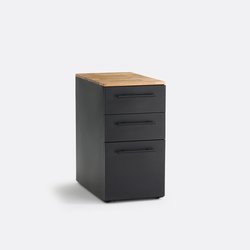
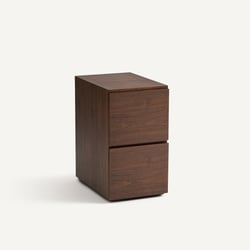
File cabinets keep contracts, invoices and client folders organised beside desks, making them useful when you regularly move between a screen and printed documents. A compact cabinet can put active files within arm’s reach, while a taller model may suit a dedicated office with several categories of paperwork. Compare the number of drawers with the clearance each drawer requires when fully extended.
Check the filing format before choosing. A4 and foolscap folders need compatible internal fittings, and not every office drawer is designed for hanging files. For everyday access, label sections by client, project or month. Keep current work in the easiest drawer to reach and place less frequently used records elsewhere, so routine tasks do not involve bending or stretching repeatedly.
Cupboards for mixed supplies and closed storage
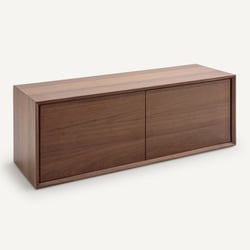
A cupboard works well when your storage needs include paper packs, notebooks, spare keyboards and folders of different sizes. Closed doors keep these items out of sight, which is useful when your home office shares space with a living room or bedroom. Adjustable shelves can help you fit taller folders without leaving a large unused gap above smaller boxes.
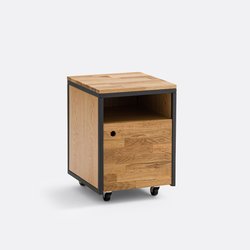
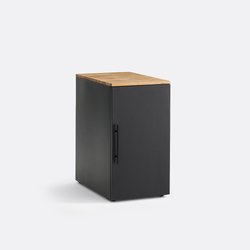
At La Redoute, the Hiba Oak & Metal 1-Door Desk Cupboard Unit in black metal and oak, from LA REDOUTE INTERIEURS, frees up space for storing your documents. When considering a desk cupboard like this, compare its listed dimensions with the space beside or beneath your work surface, then check that its access suits the way you sit and move.
Lockable office cupboards can secure spare paper, printer toner and confidential records when colleagues, visitors or family members share the room. However, check the lock specification and your workplace requirements before storing sensitive material. A lock is one part of managing access, not a substitute for any document-handling rules you need to follow.
Desktop organisers for the smallest essentials
Desktop organisers separate pens, sticky notes, clips and charging cables neatly, so small items do not spread across your work surface. Choose compartments around the objects you actually use: a shallow tray for clips, an upright section for notebooks and a separate space for cables. Check that the organiser leaves enough room for your keyboard, mouse and a document you need to read.
These compact solutions offer less capacity than cabinets, but they can save repeated trips to a cupboard during the working day. Keep only daily essentials on the desktop. Spare pens, unopened stationery and duplicate cables can sit in closed storage, leaving the items you reach for most easy to spot.
Match the layout to the room
Small work corners and shared rooms
In a narrow work corner, look first at the space beneath and beside the desk. A slim unit may use an otherwise awkward gap, provided it does not reduce legroom. If floor space is limited, a taller cupboard can offer more shelves within a smaller footprint, but you still need to check stability requirements and whether upper shelves are comfortably reachable.
In a shared room, group work supplies in one closed unit rather than spreading them across several surfaces. For example, keep folders on one shelf, stationery in a labelled box and your headset in a separate compartment. At the end of the day, you can put these items away without moving household belongings to make room.
Dedicated offices and shared desks
A larger office benefits from distinct storage zones. Keep active filing close to the desk, place printer supplies near the printer, and use a separate area for older records. This reduces unnecessary movement: you should not need to cross the room for a folder you consult several times a day.
Where two people share a desk or room, assign drawers or shelves clearly. Labels can separate personal paperwork from shared supplies, while a lockable compartment can restrict access to selected documents. Check that one person opening a drawer will not block the other person’s chair or the main walkway.
Choose materials around daily use
Metal, wood and mixed-material furniture
Material choice affects the appearance of your office, but it also affects cleaning and handling. Metal cabinets are worth considering for frequently accessed files and supplies; check the finish, drawer mechanism and care guidance for the particular model. Wooden or wood-effect furniture may fit more easily alongside existing shelves or a dining table in a shared home workspace.
Compare individual specifications rather than assuming that every item in one material performs the same way. Shelf thickness, fittings and construction influence how a unit handles its contents. Check the stated shelf and drawer load limits, especially if you plan to store several packs of paper. Keep heavier items low down, and follow any instructions about loading or opening drawers.
Plan assembly and delivery before ordering
Check fittings, tools and stability instructions
Read the product information to establish whether assembly is required and whether the work calls for two people. A tall cupboard may need more clear floor space during assembly than its finished footprint suggests. Prepare that space before opening the packaging, and check the parts against the instructions before you begin.
Follow the supplied sequence when fitting shelves, doors and drawers. If the manufacturer specifies wall attachment, use fixings suitable for your wall and seek advice if you are unsure which type is needed. Do not skip a stability step because the unit feels steady when empty; its behaviour can change once drawers are open or shelves are loaded.
Compare the total cost, not just the price
Before you buy, compare the price with the capacity and features you will use. A lower-cost cupboard may need additional boxes to separate stationery, while a filing unit may already include suitable fittings. Check whether locks, adjustable shelves and internal organisers are included rather than assuming they come as standard.
Review delivery arrangements, packaged dimensions and any assembly options listed for the product. If free delivery is advertised, read the conditions that apply to your order and location. Whether you are comparing a familiar brand or trying a new range, these practical details help you judge the full cost and prepare the room before your furniture arrives.
Keep your storage working throughout the week
Once everything is in place, organise by frequency of use. Put current files within easy reach, occasional supplies on secondary shelves and heavier stock lower down. Give incoming paperwork a single tray, then empty it regularly into labelled folders so it does not become a second filing system.
Leave a little usable space in each storage zone so you can return a folder or add a paper pack without rearranging the whole cupboard. A short weekly check is usually more practical than waiting until drawers will no longer close. With storage matched to your footprint and your daily tasks, you can find what you need while keeping your desk ready for the next piece of work.