Warm storage that works every day
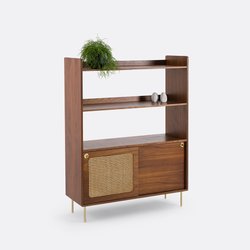
A walnut bookshelf brings a richer, warmer look to book storage than many lighter finishes. If you want a bookcase that helps a room feel settled rather than stark, walnut is a smart place to start. The depth of the grain gives books, boxes and everyday objects a more grounded setting, whether you place the unit in a sitting room, dining area or bedroom corner. It is not only about appearance, either. When you use shelving daily, the finish, shelf layout and overall dimensions all shape how useful the piece feels once it is in your home.
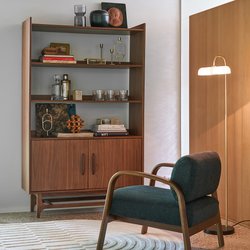
For many households, a bookshelf has to do more than hold paperbacks. You may want to display hardcover novels and framed photos in walnut bookshelf shelving in the living room, then use lower levels for storage baskets or a small box of chargers and cables. In another room, the same walnut finish can help larger items look more orderly, such as serving books, table linen or magazines. This material-led choice works best when you match the tone and structure of the shelf to the way you actually live.
Why walnut appeals in a home setting
Walnut is popular because of its naturally deep colour and visual warmth. In practical terms, that means a walnut bookshelf can soften a room with white walls, balance black metal lighting, or sit comfortably beside beige upholstery and patterned rugs. If your current furniture feels mixed, walnut often helps bridge the gap between classic and contemporary pieces. A pale floor can gain contrast from a darker shelving unit, while a darker floor can still work well if the bookshelf has open sides or a lighter frame.
The finish also changes the way your belongings are seen. A stack of cream-spined cookbooks, a row of children’s stories, or framed family photographs can stand out more clearly against walnut than against a very pale background. The visual effect is especially pleasing in rooms where books are part of the decoration as well as daily use. Rather than fading into the wall, the shelf becomes a useful feature that gives your collection a clear place.
If you are comparing options, you may also look at an oak bookcase for a lighter look, especially in airy interiors. Walnut, by contrast, brings more depth and can make a reading corner feel more intimate. In a larger room, it can also help anchor the layout, particularly if your sofa, dining table or sideboard already has mid-to-dark wood tones.
How a walnut bookshelf fits different rooms
The right bookshelf should suit the room as much as the material. In a lounge, walnut works well beside a fabric sofa, a reading lamp and a textured rug. If you like to keep current reads close at hand, you can organise bedtime reads beside the sofa using walnut bookshelf storage with one shelf for novels, another for magazines and a lower level for a basket of throws. In this setting, check the width carefully. A slim unit can slide neatly beside a chaise or armchair, while a wider design can frame a television wall or fill an alcove.
In a dining area, a walnut bookshelf can be surprisingly useful. You can store cookbooks neatly in dining room walnut bookshelf shelving, keeping recipe books upright on upper shelves and larger serving pieces below. This arrangement is practical when you cook often and want a quick view of titles without opening cupboards. It also helps if your kitchen storage is limited but your dining room has unused wall space. A shelf with generous dimensions can hold heavier hardbacks, while lower compartments can take placemats, candle holders or a tidy package of napkins.
Bedrooms benefit from walnut too, especially if you want a softer, less office-like storage solution. A narrow unit near the bed can hold night-time reading, a small lamp and framed prints. If your bedroom furniture is mostly painted or upholstered, walnut adds contrast without looking too sharp. Open shelving also lets you keep the room lighter than a bank of closed cabinets would.
Choosing the right shape and layout
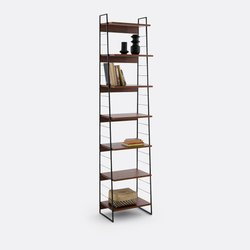
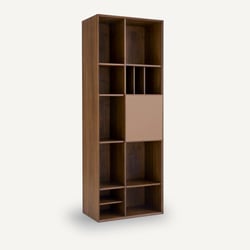
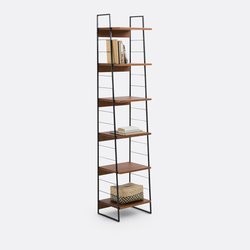
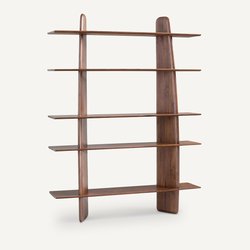
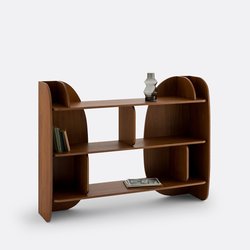
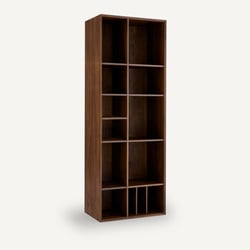
When buying a walnut bookshelf, think first about what will actually go on it. Novels, art books, vinyl records, framed photos and storage boxes all need different shelf heights. A stepped design can work well if you want a more open look and a varied display. A tall rectangular unit may suit households with a larger collection and limited floor space. If you are furnishing a compact flat, a narrow ladder-style shelf can be useful near a desk or in an awkward corner.
That is where browsing related styles can help. You may find inspiration in bookcases la redoute interieurs if you want modern everyday furniture, or in a wooden ladder shelf for a lighter, more open profile. A ladder unit can be especially practical in a hallway office corner where full-depth shelving would take too much space. If your style leans more refined or architectural, it is also worth exploring bookcases am.pm for designs with a more sculptural feel.
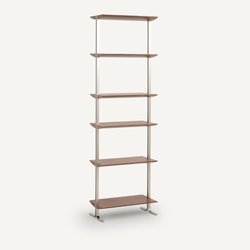
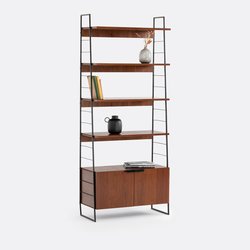
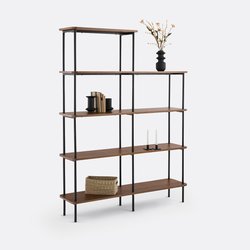
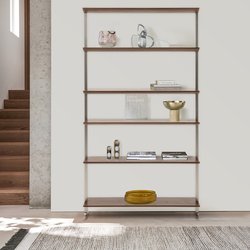
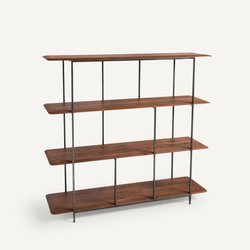
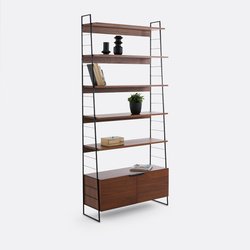
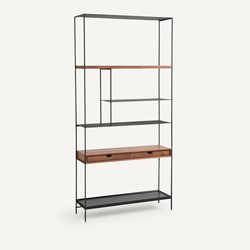
At La Redoute, the Watford Stepped Bookcase in Steel and Walnut Veneer, from LA REDOUTE INTERIEURS, brings together a warm wood finish and an airy metal frame, and the Watford collection is the latest word in design. This kind of product suits homes where you want visible storage without making the room feel heavy. The open frame keeps the overall view lighter, while the walnut shelves still add warmth.
What to check before you buy
A walnut bookshelf may look right in a photo, but practical details matter just as much once it arrives. Before you decide, consider these points:
- Width and dimensions: measure the wall, skirting board depth and any nearby radiator or door swing.
- Shelf use: hardback books need more depth and support than ornaments or a decorative box.
- Room flow: in a narrow room, open-sided shelving can feel less bulky than a solid-backed unit.
- Package and assembly: check how the item is delivered, especially if you live in a flat with tight stairs.
- Finish and frame: walnut veneer with metal can suit modern interiors, while all-wood designs feel more traditional.
The best buying choice often comes down to everyday habits. For example, if children pull books out daily, lower shelves should be easy to reach and simple to tidy. If the bookshelf sits in a dining room, leave enough shelf height for larger cookbooks instead of assuming all shelves will suit standard novels. If you plan to add framed photos, keep some negative space so the unit does not look overcrowded from every angle.
Everyday use: making your bookshelf genuinely helpful
A good walnut bookshelf earns its place by making daily routines easier. In the sitting room, one shelf can hold the books you are reading now, another can be reserved for family albums, and a lower shelf can store a lidded box for remotes and chargers. That simple arrangement keeps surfaces clearer and makes tidying quicker before guests arrive. In a dining room, grouping baking books together and placing seasonal table pieces on the bottom shelf means you spend less time searching through cupboards.
Think too about how the bookshelf looks at eye level. The most successful arrangement is rarely shelf after shelf packed tight. Leave some breathing room for framed photos, a ceramic vase or a stack of larger art books laid flat. This gives the unit a more balanced view and stops it becoming visual clutter. If your room is small, use matching storage containers so essentials look orderly rather than scattered.
Real-life buying decisions also involve price, delivery and customer feedback. Reading reviews can help you judge assembly, finish consistency and whether the shelf proportions feel as expected in a real home. A strong rating may reassure you on usability, but it is still worth checking the listed dimensions against your wall and your book collection. A unit can have a great rating and still be too shallow for oversized cookbooks or too wide for the alcove you had in mind.
Material, finish and long-term relevance
One reason walnut remains a relevant choice is its versatility over time. If you change your rug, repaint the room or swap a sofa, a walnut bookshelf usually still works because the tone is neither too pale nor too stark. It can sit with brass, black metal, cream textiles, green walls or patterned curtains without feeling out of place. That flexibility matters when you want home furniture that adapts to changing tastes and practical needs.
Quality is also easier to appreciate in daily use than in a single product image. A well-designed unit feels stable when you slide books in and out, and the shelf spacing makes sense for the items you own. If the finish is too red, too dark or too flat, it may not blend with the rest of the room. Walnut often avoids that issue by offering a balanced tone with enough grain to feel warm but not busy. That makes it a great option if you want visible storage with personality.
What you need to know before buying
Is walnut good for bookshelves?
Yes, walnut is a very good choice for bookshelves if you want storage that feels warm, versatile and easy to place in everyday interiors. Its main strength is visual depth: walnut gives books, framed photos and decorative objects a richer backdrop than very pale woods, so the shelf often looks more settled in the room from day one. In practical terms, that means your novels look more defined, your family photos stand out clearly, and the unit can link together other furniture pieces such as a coffee table, dining table or sideboard.
Walnut is especially relevant if your bookshelf will be used in a visible part of the home rather than hidden in a study. For example, in a lounge, a walnut unit beside the sofa can hold bedtime reads, a lamp and a storage box without looking purely functional. In a dining room, it can keep cookbooks within reach while still contributing to the overall furnishing scheme. This is useful if your storage needs are open and on display rather than tucked behind doors.
When deciding whether walnut is right for you, check these points:
- Choose walnut if you want a finish that works with both modern and classic furniture.
- Measure shelf depth carefully if you own oversized art books or large cookery titles.
- Look at the frame material too, as walnut with metal feels lighter than a solid full-wood design.
- Read reviews to see whether buyers mention colour accuracy, assembly and shelf spacing.
A common mistake is choosing walnut only for its look without checking how the shelf will be used. For instance, a beautifully slim unit may suit paperbacks and framed prints, but it may not be the best product for heavy reference books if the shelf depth is limited. Another pitfall is ignoring the room light. In a very small, dim corner, a wide dark unit can feel imposing unless the design has open sides or a lighter frame. So yes, walnut is good for bookshelves, but the best result comes when you match the finish to the room, the dimensions to your wall, and the layout to the books and objects you use every week.