Start with the fit
When you wear ankle boots often, fit matters from the first step. A good-looking pair can still end up at the back of the wardrobe if it rubs at the ankle, feels tight across the toes or slips at the heel when you walk to the station. If you want boots that work for real days rather than just a quick try-on at home, it helps to look closely at shape, material and sole design before you buy.
Women's ankle boots are among the most useful pieces in a shoe collection because they move easily between outfits and occasions. You can pair ankle boots with jeans for casual coffee shop errands, then switch to a smarter coat and knit for an evening out without changing your whole look. If you need something more polished, wear heeled ankle boots to the office with tailored trousers and a crisp shirt. The best pair is not just about style; it is about how the boot supports your routine.
At La Redoute, we know that daily wear calls for choices you can trust, so our selection brings together different heights, materials and fastening styles to help you find the right balance between comfort, support and personal style.
What makes a good ankle boot for everyday wear?
The answer usually comes down to a few practical details. The first is the shape around the front of the foot. If the toe box is too narrow, your feet can feel cramped after an hour of walking, especially if you wear thicker socks in colder weather. The second is the way the boot holds your heel. If your heel lifts too much, friction can build quickly and walking becomes tiring. The third is the sole: a very flat sole can feel hard on pavements, while a well-made sole with a little flexibility tends to feel easier through the day.
Material also changes the experience. Leather often softens with wear and can adapt slightly to your foot shape, which is useful if you plan to wear your boots several times a week. Suede can feel softer from day one and gives a more relaxed finish, but it usually needs a little more care in wet weather. If you are choosing a black pair for workwear, smooth leather can look smart and cope well with repeated use. If you want a softer look with dresses, denim or knitwear, brown or suede styles can feel less formal.
Think too about the opening around the ankle. A close fit can look neat with skirts and slim trousers, but if it is too tight it may press uncomfortably when you sit or walk upstairs. A slightly wider opening can feel easier for all-day wear and layers well over tights or under straight-leg jeans.
Key fit points to check before you buy
Even when a boot looks right, a few checks can tell you whether it is likely to work in real life. These are the details worth paying attention to:
- Toe room: your toes should not press against the front when standing or walking downhill.
- Heel hold: a little movement is normal, but too much slipping can lead to rubbing.
- Ankle comfort: the boot should feel secure without digging into the leg.
- Sole grip: useful on wet pavements, station steps and uneven streets.
- Heel height: choose a height you can walk in for more than ten minutes, not just stand in.
- Fastening style: zip, lace or chelsea side panels each change the fit and ease of wear.
If you are between sizes, think about how you will wear the boots most often. For commuting and winter layering, you may want room for a thicker sock. For office wear with fine tights, a closer fit may feel better. This is where details such as a zip opening or elastic side panels make a real difference.
Choosing between chelsea, zip and lace styles
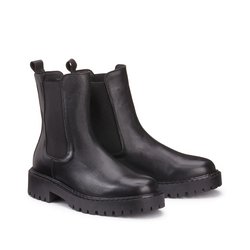
Different constructions suit different needs. A chelsea boot is often a reliable everyday option because the elastic side panels make it easy to pull on and off, and the clean shape works with jeans, skirts and dresses. If you spend mornings rushing out of the door, that convenience counts. A chelsea design can also feel comfortable around the ankle because the side stretch gives a little flexibility as you move.
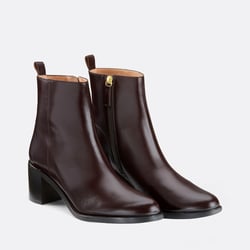
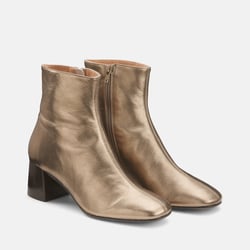
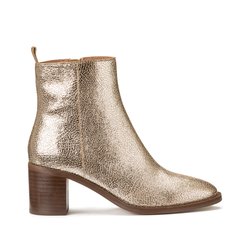
A zip boot gives a more structured fit. This can be helpful if you want the boot to feel secure through the midfoot and ankle, especially with a block heel. Zip styles often look polished, which makes them a good choice for weekdays. Wear heeled ankle boots to the office with tailored trousers, and the line of the boot can sit neatly under the hem without bunching.
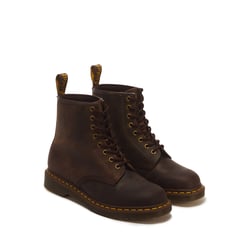
Lace-up boots offer the most adjustment. If one foot is slightly wider than the other, or if you like to control how snug the boot feels across the instep, a lace fastening can be especially useful. A lace style can also suit longer walks because you can fine-tune the fit more precisely than with a pull-on design.
Materials that change comfort and wear
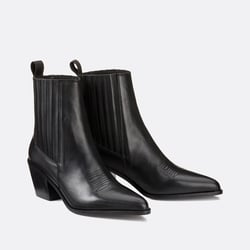
When you compare one boot with another, the upper material and the lining tell you a lot about long-term comfort. Leather is often a practical choice for frequent wear because it tends to become more supple over time. It can also hold its shape well, which is useful if you want a smart finish for work outfits. A black leather ankle boot is often the pair people reach for most because it works with dark denim, tailored trousers and midi skirts.
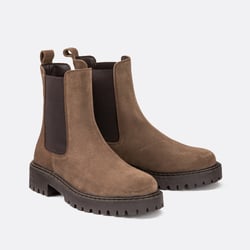
Suede has a softer appearance and can bring more texture to your outfit. A brown suede ankle style looks easy with blue denim and cream knitwear, while a deep green or red option can bring more personality to simple outfits. If you like colour in your wardrobe but still want something wearable, a muted colour such as dark green or burgundy-red can feel easier to style than a very bright shade.
Look inside the boot as well. A soft lining can improve comfort immediately, while a padded insole can make a noticeable difference if you spend time on your feet. If you alternate between boots and slippers at home, you will probably notice straight away whether a boot has enough underfoot cushioning for longer wear outdoors.
Heel height: what works for your day?
The right heel depends on how you move through the day. If you walk part of your commute, climb stairs or stand during meetings, a low block heel or flat sole may feel easier than a narrow high heel. That does not mean giving up style. A well-shaped low heel can still look sharp with dresses or trousers, while giving more stability on pavements.
If you prefer a heeled boot, think about where the height sits and how the sole is balanced. A block heel usually offers steadier support than a slim heel for everyday use. For example, if you wear heeled ankle boots to the office with tailored trousers, a mid-height block heel often gives a smarter finish without making the walk from train platform to desk feel like hard work.
Also pay attention to the front sole. If there is no cushioning and the heel is high, pressure can build under the ball of the foot. A modest heel with a well-designed sole often feels better after several hours than a taller heel chosen only for appearance.
How to style ankle boots without losing comfort
Good styling starts with practicality. Pair ankle boots with jeans for casual coffee shop errands and choose a shape that sits neatly under straight or slim denim. A black chelsea boot keeps the look simple, while a brown suede pair adds warmth to lighter denim and oversized knitwear. If the jeans stop awkwardly at the top of the boot, try a slightly cropped hem or a softer tuck to keep the line clean.
For workwear, tailored trousers and ankle boots can look very polished when the hem falls just over the top of the boot. A smooth leather boot in black or dark brown usually works best here. If you want a little more character, a subtle heel or square toe can update the outfit without making it less useful.
At weekends, weather can guide your choice. Choose waterproof ankle boots for rainy weekend market walks if you know you will be outside for a while. In that situation, grip, easy cleaning and a secure fit matter more than a delicate finish. A practical boot does not need to feel heavy or plain; it simply needs to support the way you spend your day.
Price, brand and purchase confidence
When comparing price, think beyond the first wear. A slightly higher price can make sense if the fit is better, the sole feels stronger and the material suits regular use. The key is not just the brand name but what the product actually offers: supportive construction, reliable fastening and a shape that works with your wardrobe.
You may already browse different labels depending on your style. If you like to compare silhouettes and sole shapes, you might look at women's shoes alongside boots to see what toe shapes and heel heights you usually find comfortable. Some customers also explore ranges such as boots & trainers damart, women's shoes, boots & trainers mjus or women's shoes, boots & trainers dr. martens when they want to compare structure, sole style and everyday wear options. If your week is more casual, you may even switch between ankle boots and women's trainers depending on your plans.
Once you have found the right pair, a little maintenance helps them stay comfortable and look good for longer. Products from women's shoe care & accessories can help protect leather or suede, improve freshness inside the boot and keep the finish looking neat through repeated wear.
How to choose with confidence
Buying ankle boots becomes easier when you focus on the details that affect daily life. Start with the shape of your foot, then think about where and how you will wear the boots. If your days involve walking between meetings, school runs or city errands, choose a boot that supports movement rather than one that only looks good in still moments. If you want one versatile new pair, a black or brown ankle boot with a manageable heel and secure fit often earns its place quickly.
The best ankle boots are the ones you keep reaching for. That usually means they feel good at the ankle, offer enough room in the toe, and suit the clothes you already wear. Whether you prefer leather, suede, chelsea or lace styles, comfort is not separate from style. In everyday dressing, the two work together.
What you need to know before buying
How to choose the right ankle boots?
To choose the right ankle boots, start with how you plan to wear them rather than with colour alone. If you need a pair for weekday use, look first at fit, sole grip and heel height. If you want something for flexible casual wear, think about how the boot sits with your usual jeans, knitwear and coats. A good ankle boot should feel secure without pinching, give your toes enough room to move and support your heel as you walk. Try to picture a real situation: a ten-minute walk to the station, a lunch break outdoors, or a Saturday spent moving between shops and cafés. If the boot would feel awkward in those moments, it may not be the right choice.
A helpful way to decide is to check these points:
- Choose the fastening that suits your foot: chelsea for quick pull-on ease, zip for structure, lace for adjustment.
- Match the heel to your routine: low or block heels for longer wear, higher heels for shorter periods or mainly desk-based days.
- Pick the material for your lifestyle: leather for frequent use, suede for a softer look, waterproof finishes for wet weekends.
A common mistake is buying a boot that feels snug in the shop and hoping it will stretch everywhere. Some leather can soften, but a boot that presses hard on the toes or ankle from the start is unlikely to become your easiest pair. Another pitfall is ignoring sock thickness. If you will wear warm socks in colder months, allow for that when choosing your size. For example, if you want black ankle boots for commuting and office wear, a mid-heel leather zip style with a cushioned sole is often easier to live with than a very narrow pointed boot that only works with thin tights.
What are the most comfortable ladies' ankle boots?
The most comfortable ladies' ankle boots are usually the ones that combine a stable sole, soft lining, secure heel hold and enough space at the front of the foot. Comfort does not always mean completely flat. For many women, a low block heel actually feels better than a very flat sole because it can support posture more naturally during walking. The best choice depends on your day, but in general, boots made for regular wear tend to have practical features you notice quickly: flexible movement through the sole, a top edge that does not dig into the ankle, and a fastening that keeps the foot in place.
Features often linked with comfort include:
- Soft leather uppers that gradually adapt to your foot shape.
- Elastic side panels on chelsea styles for easier movement around the ankle.
- Padded insoles and grippy soles for walking on pavements and indoor floors.
One thing to avoid is choosing based only on appearance. A very stiff boot may look smart but can feel tiring by midday if the sole does not bend where your foot naturally moves. Another issue is heel slip. Even stylish boots can become uncomfortable quickly if the heel lifts with every step. As a practical example, if you want a pair for casual city use, a brown or black leather chelsea boot with a low block heel and cushioned footbed often works well with jeans for coffee shop errands and general daily wear. If you need something smarter, a mid-heel ankle boot for the office can still feel comfortable when the heel is broad, the lining is smooth and the fit is secure across the instep.