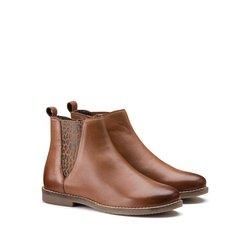
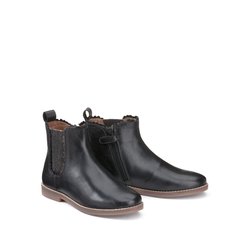
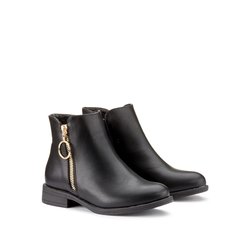
Choose the right Chelsea boots for daily wear
Chelsea boots earn their place in a busy wardrobe because they are easy to slip on, simple to style and practical across the week. Yet the pair that looks right on the page is not always the pair that feels right by lunchtime. If you are choosing a new Chelsea style, the details that matter most are often the ones you notice after a few hours: how the ankle sits, whether the elastic side panels feel supportive rather than loose, how the sole handles wet pavements, and whether the toe shape gives your foot enough room.
The good news is that once you know what to check, buying with confidence becomes much easier. A Chelsea boot should feel secure without pinching, neat without squeezing, and comfortable enough for everyday wear. That matters if you are wearing Chelsea boots for rainy commutes with tailored trousers, when you need a pair that looks smart at the station and still feels steady on slick streets. It matters just as much when you are pairing Chelsea boots with jeans for casual dinner outings, where you want a clean line at the ankle and a fit that stays comfortable from the first drink to the walk home.
At La Redoute, we focus on styles that help you move through real days, from quick wardrobe decisions in the morning to evenings out when you do not want to think about sore feet. Whether you are comparing a smooth leather finish with soft suede, or deciding between a regular shaft and a more wide fit, the right choice comes down to wearability, not just appearance.
What makes Chelsea boots comfortable?
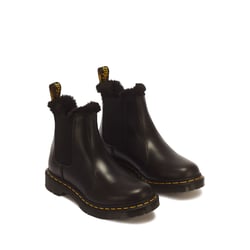
The appeal of a Chelsea boot is its pull-on design, but comfort depends on more than convenience. The first point to check is the entry. Because there are no laces, the opening needs enough give for your foot to slide in without a struggle. A well-made pair uses elastic inserts that stretch as you put the boot on, then return to shape so the foot stays held in place. If the elastic feels slack from the start, the boot may lift too much at the heel after a few wears.
The second point is the fit around the ankle. This is where ankle-boot fit makes the biggest difference. A close fit gives a cleaner line under trousers and helps stop rubbing caused by too much movement. If you often wear cropped tailored trousers for work, a neat ankle fit helps the hem sit well and keeps the whole outfit looking tidy during a rainy commute. If the shaft is too wide, water can splash in more easily and the shape can feel less secure.
Then there is underfoot comfort. Look at the thickness of the sole, the level of cushioning and the flexibility at the ball of the foot. A boot with a very thin sole may look refined, but on a day spent walking between meetings downtown, every paving stone becomes noticeable. For slipping on Chelsea boots for quick office meetings downtown, many people prefer a sole with a little grip and enough structure to support repeated walking on hard surfaces.
- Check heel hold: a slight lift at first can be normal, but your heel should not slip heavily with every step.
- Check toe room: your toes should not press against the front when walking downhill or downstairs.
- Check ankle fit: the boot should feel close, not restrictive, especially with thin socks.
- Check grip: for wet commutes, a textured sole is more practical than a very smooth one.
Leather or suede: which material suits your routine?
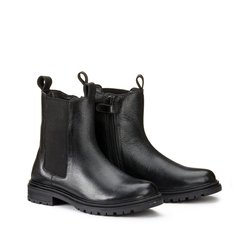
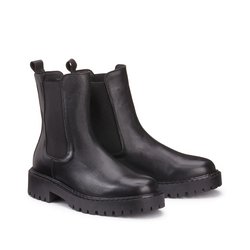
Material changes both the look and the day-to-day performance of Chelsea boots. Leather is often the first option people choose because it tends to cope better with regular wear, especially in damp weather. If your week includes train platforms, office pavements and sudden showers, a black leather pair usually asks less of you. It wipes clean more easily, keeps its shape well and works with tailored trousers, knit dresses and dark jeans.
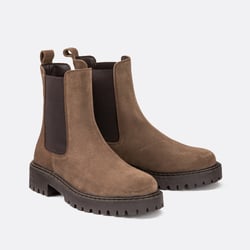
Suede has a softer finish and a slightly more relaxed feel. It can look especially good with off-duty outfits, such as straight-leg jeans and a wool coat for a casual dinner outing. That said, suede needs a bit more planning for wet days. If you like the texture but want practicality, keep suede pairs for drier days and use a protective spray before the first wear. Many shoppers compare Chelsea styles with sock shoes women's silhouettes when they want a close ankle line, but the material of a Chelsea boot gives a sturdier, more everyday feel.
You may also be deciding between smarter and more casual alternatives in your wardrobe. If you already own flat suede boots, a leather Chelsea boot can fill the gap for wetter days and sharper outfits. If you are browsing occasion footwear such as gold low heel shoes or gold ankle boots, Chelsea boots answer a different need: reliable daily wear with less fuss and more support.
How to get the fit right the first time
When trying a Chelsea boot, focus on the points that affect wear after the first ten minutes. The boot should feel snug over the instep because that is what keeps your foot from sliding forward. This is especially useful if you walk quickly between transport stops or spend part of the day on your feet. A pair that feels too loose in the instep may seem comfortable in the box, but after an hour it can cause friction at the heel and extra pressure on the toes.
If you have a wide forefoot, look for a rounded or almond toe rather than a very narrow pointed shape. The difference is obvious during a commute: with more room across the front, your toes can spread naturally as you walk. A regular fit may work for many people, but if you know standard ankle boots often pinch at the sides, it is worth filtering for wide options rather than hoping the material will stretch enough later.
The height of the shaft matters too. A classic Chelsea shape usually sits just above the ankle bone. This helps the boot work under straight trousers and over slim jeans without bunching. If you like a little more height or support, block heel chelsea boots can offer a balanced feel, especially when you want a smarter line without moving into a very high heel.
Colour also changes wearability. Black remains the easiest everyday choice because it moves easily from office to evening and tends to hide splashes better on wet days. Brown and tan can soften a look, while suede shades can add texture to denim. The best item for you is the one that suits your real routine, not only your wishlist. If you are comparing price points during a sale, it helps to think in terms of cost per wear: a pair you can add to three work outfits and two weekend outfits will usually earn its place faster than a pair that only works with one coat.
Styling Chelsea boots without sacrificing comfort
The easiest outfits are often the ones that respect the shape of the boot. With tailored trousers, aim for hems that skim the top of the boot or stop just above it. This avoids bunching and keeps the line sharp. For rainy commutes, a black leather Chelsea boot with a grip sole and a neat ankle fit works well with tapered trousers and a long coat. You get a polished look, but you also avoid the inconvenience of delicate shoes on wet ground.
With jeans, Chelsea boots look best when the denim does not fight the shaft. Straight, slim or cropped jeans usually work better than very long flared hems that drag over the top. For a casual dinner outing, dark jeans with a suede Chelsea boot can feel relaxed yet put together. If you know you will be walking from dinner to another venue, choose a pair with light cushioning under the heel and forefoot so the style still feels good later in the evening.
For office days, think about how quickly you need to get ready. A pull-on boot is useful when you are slipping out for quick meetings downtown and do not want to spend time adjusting straps or laces. If your working week includes both smart and casual dress codes, a classic Chelsea shape in leather is often the easiest added piece because it sits neatly with trousers, midi skirts and jeans alike.
If you shop across seasons, it helps to think less about location and more about versatility: a Chelsea boot works best when it can move between weather changes and different dress codes without asking too much from you.
What to check before you add a pair to your basket
Before you add a boot to your basket, pause on a few practical details. Look at the side view to see whether the ankle is streamlined or very open. Read the material listing carefully so you know whether the upper is leather, suede or a synthetic mix. Check the sole description for grip, especially if you often walk in rain. Then think about socks: if you plan to wear thicker pairs in winter, make sure the fit will still feel comfortable.
A lower price during a sale can be appealing, but the best buy is the one that suits your daily use. If your current wishlist includes several styles, rank them by purpose. Which pair would you wear on Monday morning in the rain? Which one works with both jeans and tailored trousers? Which option supports walking without needing to be broken in for weeks? These questions usually make the choice clearer than colour alone.
A good Chelsea boot should feel reassuring from the first wear. You should be able to stand, walk and sit without pressure points, and the boot should hold your foot securely enough that you are not gripping with your toes. That is the difference between a pair that stays in the wardrobe and one you reach for again and again.
What you need to know before buying
Do you size up or down for Chelsea boots?
In most cases, you should start with your usual size rather than sizing up or down straight away. Chelsea boots are designed to fit more closely than lace-up ankle boots because the elastic side panels and snug instep are what keep the foot secure. If you size up too quickly, the boot may feel easier to pull on in the bedroom but become loose at the heel during a full day out. That can lead to rubbing, slipping and a less stable stride, especially on station steps or wet pavements.
The better approach is to judge the fit in three places: the toe box, the instep and the heel. Your toes need room to move, but the foot should still feel held through the middle. A small amount of heel lift can happen at first, particularly with stiffer leather, yet it should not feel exaggerated. If the front feels cramped but the heel is right, try a wider fit rather than simply going up a full size. If the boot feels comfortable in length but very hard to get on, check whether the opening is cut narrow rather than assuming you need a larger size.
- Try boots on with the socks you would actually wear.
- Walk on a hard floor, not just a carpet, to test heel movement.
- Notice pressure across the top of the foot; too much can become uncomfortable quickly.
A practical example: if you plan to wear your Chelsea boots for rainy commutes with tailored trousers, a secure regular fit will usually serve you better than a larger size that slips when the pavement is slick. The main pitfall is buying for ease of entry rather than for walking comfort. A Chelsea boot should need a firm pull to get on, but once on, it should feel supportive rather than tight.
Which type of Chelsea boots are best?
The best type of Chelsea boots depends on how and where you will wear them, but for most wardrobes, a mid-ankle leather pair with a grippy sole is the most reliable starting point. This style covers the widest range of needs: office dressing, weekend denim, changeable weather and regular walking. A smooth leather finish tends to be the easiest to maintain, while a moderate sole thickness gives a better balance between smart appearance and daily comfort.
If your priority is workwear, choose a classic shape in black or dark brown with a close ankle fit and a low heel. This works well with tailored trousers and coats, particularly when you need shoes that can handle a rainy commute without looking too casual by the time you reach the office. If your priority is off-duty wear, suede can be a good choice with jeans, knitwear and relaxed outerwear, though it is less practical in heavy rain. If you want a little extra height without losing stability, a block heel style can be easier to wear than a narrow heel because it spreads weight more evenly.
- Choose leather for frequent wear and damp conditions.
- Choose suede for a softer, more relaxed look on drier days.
- Choose a textured sole if you walk a lot outdoors.
A useful example is a pair you can wear to quick office meetings downtown and then out again in the evening with jeans. The pitfall to avoid is choosing only by trend. The best boot is not simply the most striking item on the page; it is the one that fits your routine, supports your foot well and works with the clothes you already own.
What are common Chelsea boot mistakes?
The most common Chelsea boot mistakes usually come from overlooking fit in favour of appearance. One frequent error is buying a pair that is too loose around the ankle and instep. Without laces, Chelsea boots rely on that close fit to stay secure. If the boot moves too much, you may end up with heel rub, tired feet and an awkward line under trousers. Another mistake is choosing a very narrow toe shape for long days. It may look sleek at first, but after a commute, lunch break walk and journey home, cramped toes can become the only thing you notice.
A second group of mistakes involves material and sole choice. Soft suede can be appealing, but if you need an everyday boot for wet weather, it may not be the most practical first purchase. Equally, a very smooth sole can feel fine indoors and far less reassuring on rainy streets. Some people also wear jeans that stack heavily over the shaft, which hides the shape of the boot and can make the whole outfit feel bulky.
- Avoid buying too big just because pull-on boots feel snug at first.
- Avoid a slippery sole if you walk in rain or on hard city surfaces.
- Avoid pairing with overly long hems that bunch around the ankle.
For example, if you are pairing Chelsea boots with jeans for a casual dinner outing, choose denim that sits cleanly at the ankle and a boot that does not pinch the forefoot. If you are commuting in tailored trousers, avoid a shaft that is too wide, as it can look untidy and feel less secure. The practical consequence of getting these details right is simple: you wear the boots more often, for longer, and with far less second-guessing each time you get dressed.