A fitted denim dress starts with structure, not tightness
A mini dress with denim structure gives you a clear outline without needing layers of styling. The fabric holds the shape through the bodice and skirt, while seams, fastenings and the position of the waist determine how comfortably it follows your body. When you are choosing a fitted denim dress, start with how it behaves when you sit, walk and reach, rather than how closely it fits while you stand still.
At La Redoute, we suggest looking at three things together: fit, length and denim feel. A fitted denim mini dress needs enough room across the hips for a normal stride, a hem you feel comfortable wearing on steps, and fabric that bends when you sit down. Get those details right and you can wear it for casual weekend brunches in town, then carry on to the shops without adjusting your outfit at every stop.
Find the fitted silhouette that works for you
Check the shoulders, bust and waist first
Start at the top of the dress. Shoulder seams should sit near the edge of your shoulders, unless the design deliberately uses a dropped shoulder. Across the bust, the fabric should lie smoothly without pulling into horizontal lines. On a button-front style, look at the spaces between the buttons: visible gaps usually mean that area needs more room or a different cut.
A defined waist should still let you breathe and sit comfortably. Try the dress while seated, with your arms reaching forwards as though you were holding a steering wheel. If the waist digs in or the bodice pulls sharply across your back, the fit is too restrictive for a day that includes travel, lunch and walking.
Check where the waist seam sits, too. A petite shopper may find that a standard-length bodice places it below the natural waist, causing fabric to bunch above the hips. If you usually choose a petite wrap dress because its proportions sit correctly on your frame, look for similarly considered bodice measurements in denim rather than simply choosing a smaller size.
Give the hips and skirt room to move
A close-fitting skirt can follow your hips without gripping them. Look for diagonal drag lines running towards the hips or a hem that climbs as you walk; both can indicate that the skirt needs more space. A slightly shaped skirt with well-placed seams may feel more comfortable than a completely straight, narrow cut, particularly in denim with little stretch.
- Walk several normal steps rather than taking small fitting-room steps.
- Sit on a chair and check whether the skirt feels tight across your thighs.
- Bend gently to reach a bag and notice whether the neckline or hem shifts more than you would like.
- Check the back in a mirror for pulling around the seat and waist.
These checks matter more than the size printed on the label. The right fitted silhouette follows your shape without limiting ordinary movement. If you need to keep pulling the skirt down, try another cut as well as another size.
Choose your mini length with your day in mind
The same mini dress silhouette can sit differently on two people of the same height because torso and leg proportions vary. Use the listed garment length as a starting point, then measure from the indicated point on your body. If you already own a dress with a hem you enjoy wearing, compare its measurements with the product information.
For weekend brunch, sit down before deciding whether the length suits you. A skirt that feels comfortable while standing may rise further than expected on a café chair. For cool evening walks, check that the hem lets you take a full stride, especially if you plan to wear tights underneath. Denim can catch against some textured tights, so test the combination at home.
Choose the hem for your movements, not just your height. If you spend much of the day bending, commuting or sitting on high stools, a little extra length may be more useful. A midi or maxi dress offers more coverage, but a narrow longer skirt may need a vent or front opening to allow an easy stride.
When comparing a denim mini with a long sleeve floral mini dress, pay attention to the fabric as well as the stated length. A fluid woven skirt may fall around your legs when seated, whereas structured denim can hold its outline and feel firmer across your lap.
Understand how the denim will feel
Rigid denim and stretch denim need different checks
Structured denim feel comes from the weight and construction of the fabric, not simply from a close fit. Denim made without stretch often holds seams and skirt shapes clearly, but it needs sufficient room at the bust, waist and hips from the start. Do not buy an uncomfortably tight dress on the assumption that wearing it will solve the problem.
Denim with elastane can offer more give when you sit or reach. However, the amount of stretch varies, so check the fabric composition and any fit guidance on the product page. Stretch should support movement rather than compensate for buttons that strain or a zip that is difficult to close.
If you are comparing it with a linen mini dress for warmer days, consider where you will wear it. A lightweight linen style may feel airier on a sunny walk, while a heavier denim dress can provide more structure for a day moving between outdoor streets and cooler indoor spaces.
Use the wash to guide your styling
A blue wash with visible fading can work well with trainers and a canvas bag for daytime errands. Dark indigo creates less contrast around seams and pockets, which can make the outline look more continuous when worn with dark tights and ankle boots. Check the care label before the first wash, including any instructions about washing separately or colour transfer.
Follow the garment’s care instructions rather than assuming all denim behaves alike. Washing temperature and drying methods can affect the fit, so avoid experimenting with heat to shrink a dress into shape. It may shorten the skirt or change the fit in areas that already feel comfortable.
Look closely at fastenings, sleeves and seams
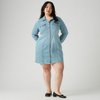
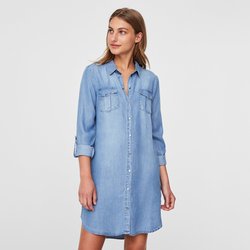
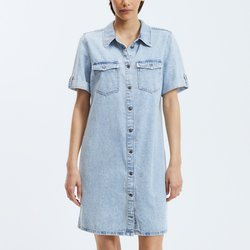
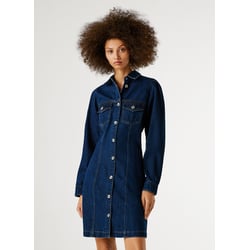
A button-front denim dress is useful when you want to adjust the neckline, but check that the buttons remain flat when you sit. Pair it with trainers for farmers’ market errands, and test the arm movement you will use when carrying shopping bags. A shoulder bag should not pull the neckline sideways or make the armhole rub.
A zip fastening can give a smoother front, although you should be able to close it without forcing the surrounding fabric together. Seams should follow your body without twisting towards the front or back. If pockets flare out while the dress is empty, check whether the hips are too snug.
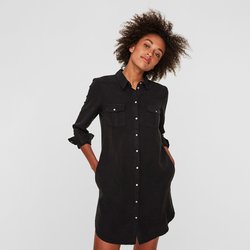
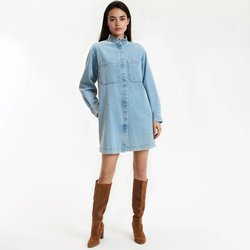
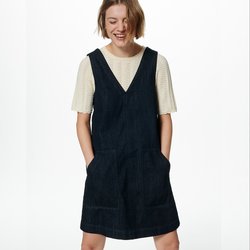
A sleeveless cut leaves space for a fine long-sleeved top underneath, provided the armholes and bust have enough room. With a shirt dress, check the upper arms as carefully as the waist. A fitted sleeve that feels comfortable with your arms down may become restrictive when you reach for an overhead shelf.
At La Redoute, our catalogue includes the ANNE WEYBURN Denim Mid-Length Dress with Long Sleeves in untreated blue, offering a straight winter silhouette for those who prefer a longer alternative to a fitted mini. Comparing that shape with a shorter, waist-defined design helps you decide whether you want close shaping or more room through the body.
Build outfits around the fit you have chosen
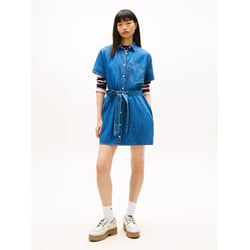
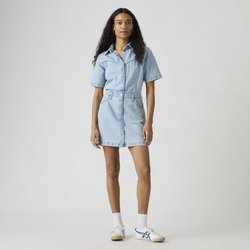
For a casual weekend brunch in town, wear your fitted denim silhouette with low-profile trainers and a small crossbody bag. Keep the bag strap clear of any prominent chest buttons so it does not catch as you move. If the dress already has a defined waist, try it without a belt first; an extra belt can create pressure when you sit.
Layer a cropped jacket over its fitted shape for cool evening walks. A jacket ending near the waist leaves the skirt outline visible, while enough room through its sleeves lets you bend your arms comfortably. Try both pieces together before heading out, particularly if your dress has a substantial sleeve.
If you often choose a red wrap dress for meals out, a dark denim version gives you another option with a more fixed waist and neckline. Check those areas carefully, as buttons and seams do not offer the same adjustment as ties. For an evening when you might otherwise wear a short black lace dress, try indigo denim with ankle boots and small earrings, checking that the boots allow an easy stride beneath the mini hem.
What to check before choosing your denim size
Should I size up or down in denim?
Choose the size that matches your measurements and gives you comfortable movement; do not automatically size up or down simply because the dress is denim. Measure your bust, waist and hips, then compare all three with the size guide for the specific product. In a fitted dress, the least forgiving area matters most. If your hips fall into a larger size than your waist, choosing only by the waist measurement may leave the skirt too tight.
If you are between sizes in rigid denim, the larger size is often the more practical starting point. Check the product’s fit notes before deciding, particularly if the design is already cut generously. In stretch denim, your usual measured size may provide enough movement, but sizing down can still cause pulling at the buttons, seams or armholes.
- Use your current measurements rather than the size of an older pair of jeans.
- Check the fabric composition and any garment measurements provided.
- Test sitting, walking and reaching before removing labels.
- Try a different silhouette if one size grips the hips but the next leaves excess fabric across the shoulders.
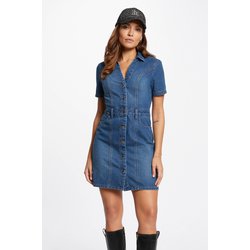
For example, if a button-front mini closes neatly while standing but gaps at the waist when you sit for lunch, try the next size and repeat the seated check. If that size slips at the shoulders, a differently proportioned cut may work better. Avoid relying on future stretching or deliberate shrinking: neither gives you reliable control over the final fit. Choose the dress that feels comfortable during the movements you will actually make throughout your day.