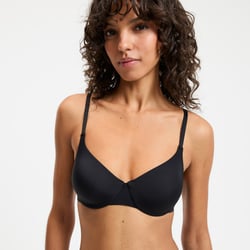
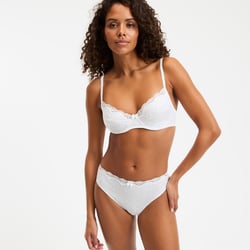
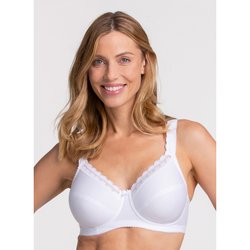
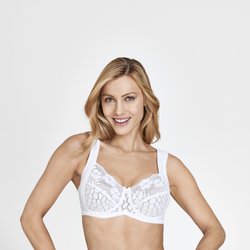
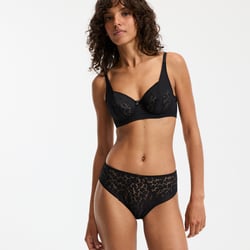
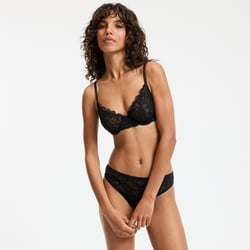
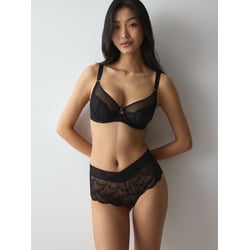
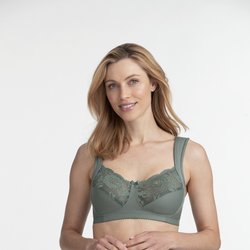
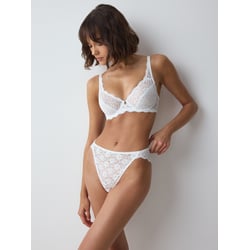
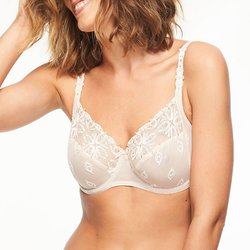
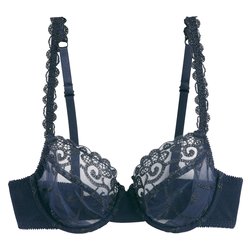
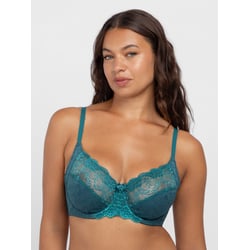
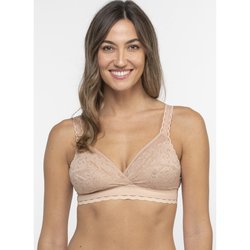
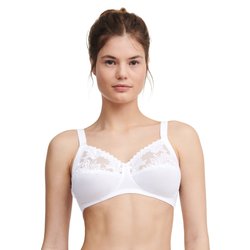
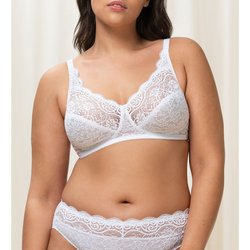
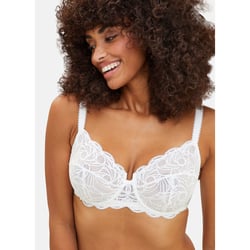
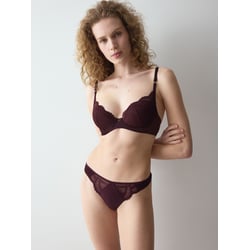
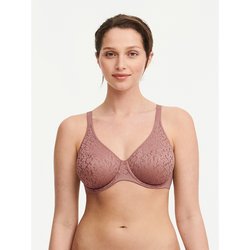
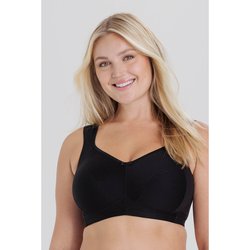
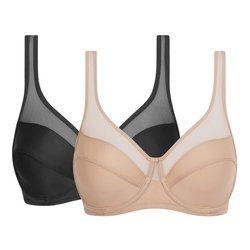
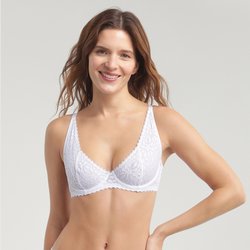
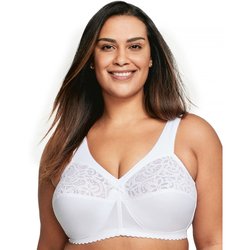
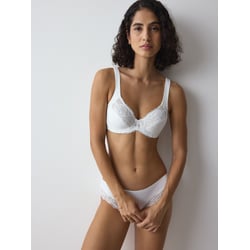
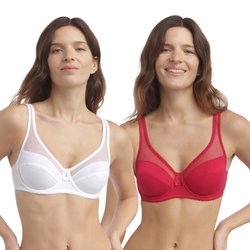
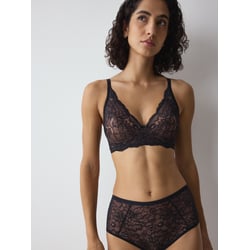
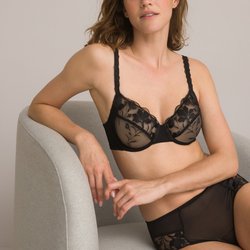
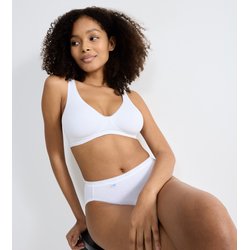
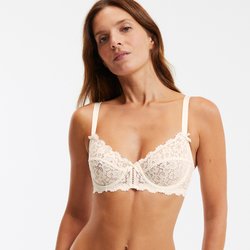
Choose the right full cup fit
When you are buying a full cup bra, the first thing to check is not the strap or the style, but whether the cup really contains your bust without cutting in, gaping or shifting as you move. That matters far more than a pretty finish if you want dependable comfort from morning to evening. A well-fitted full cup style is designed to cover more of the bust than a balcony, plunge or many bralettes, which means you get more hold across the top and sides of the breast. If you spend the day moving between meetings, commuting and carrying shopping bags, that extra coverage can make a noticeable difference to how secure you feel.
Full cup bras are especially useful if you are looking for everyday support with a smooth shape under clothes. Under fitted office blouses, a good full cup design helps keep the bust in place and reduces the need to adjust your bra during the day. During long grocery shopping trips, when you are reaching, lifting and walking for an hour or more, the wider coverage can help fuller busts feel comfortably contained. If your priority is practical fit rather than a dramatic neckline, this is often the style to start with.
How full cup bras differ in coverage and support
The main difference between a full cup bra and other bra shapes is simple: the cup is cut higher and often further across the sides of the bust. That creates fuller coverage, which helps distribute weight more evenly. In practical terms, you may notice less spill at the top edge, less side movement and a more anchored feel through the band and straps.
Many full cup bras are wired, because an underwire can help lift and separate the bust while keeping the shape stable. Others are non-wired for softer comfort, which some people prefer for days at home, easy errands or lighter support needs. If you have a fuller bust and want reliable hold for a busy day, a wired full cup can often feel more secure than a lower-cut style. If you prefer flexibility and less structure, a non-wired option may suit you better, provided the band is firm enough and the cup still contains the bust properly.
You will also find differences in cup construction:
- Non-padded full cup bras usually feel lighter and can follow the natural shape of your body more closely.
- Padded or moulded cups can give a rounder outline under knitwear or shirts.
- Styles with side support panels can help bring the bust forward rather than letting it spread outward.
- A lace upper cup may adapt well to slight size differences between breasts, while firmer fabric can give a more held-in feel.
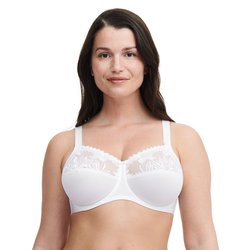
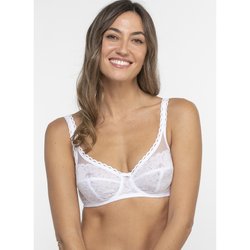
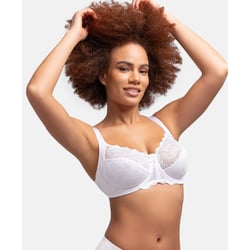
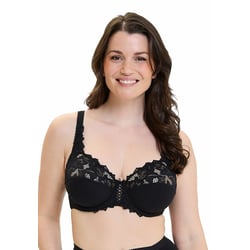
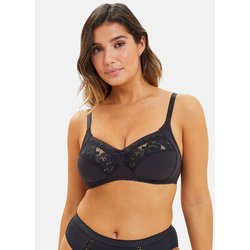
At La Redoute, the Lindsay Full Cup Bra - DORINA shows how practical support can still feel comfortable, as the Dorina Lindsay non-padded wire bra offers a shaping effect with comfort you can rely on. That combination is useful when you want a bra that works under everyday clothes without feeling overly rigid.
What a good full cup fit should feel like
A full cup bra should feel secure without making you feel restricted. The band should sit level around your body and stay in place when you raise your arms. The centre front should lie close to your chest in most wired styles, and the cups should fully contain the bust without bulging over the top or escaping at the sides.
If you are trying on a full cup bra for workwear, test it under a fitted blouse or a fine knit top. If the cup edge shows through sharply, you may prefer one of our seamless, invisible & t-shirt bras for a smoother finish. If the bra gives you visible overflow near the neckline once you sit down at your desk, the cup is probably too small or too closed at the top for your breast shape. If there is wrinkling in the cup after you fasten the band correctly, the cup may be too large or simply the wrong cut.
For daily errands, do a movement test at home: walk around, bend to pick up a bag, reach to a high shelf and carry a basket for a few minutes. A well-fitted full cup bra should reduce bounce and help your shape stay consistent without digging into your shoulders. That practical check tells you more than standing still in front of a mirror for ten seconds.
Finding the right size for secure everyday support
If you are looking for the right size, start with the band first. The band provides most of the support, so it should feel firm on the loosest hook when new. If it rides up at the back, it is too loose. If it feels painfully tight and leaves deep marks quickly, it may be too small. Once the band is stable, look at the cup fit.
A correct cup size should:
- fully contain the breast tissue
- sit flat or smooth at the edges without cutting in
- avoid empty space or folding fabric
- keep the bust supported even when you move
If your full cup bra feels secure in the fitting room but starts shifting during a normal day, that usually points to a fit issue rather than a style issue. For example, if the straps keep taking all the weight during a long day at the office, the band may be too loose. If the top of the cup presses into your bust by late afternoon, you may need a larger cup or a stretch-lace upper section.
Because full cup bras are available in many sizes, you can often refine the fit more precisely than with softer pull-on styles. If you usually wear lower-cut shapes such as triangle & halterneck bras, you may notice that a full cup bra feels more enclosing at first. That is normal. The aim is not to flatten the bust, but to support it with enough coverage for everyday confidence.
Choosing features that suit your routine
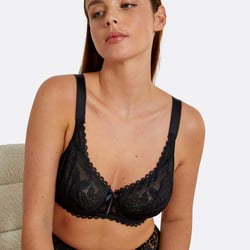
The right full cup bra depends on how and where you plan to wear it. If you need dependable support under office clothes, look for smooth cups, a stable band and straps that stay in place under blouses. A black full cup bra can be a practical everyday piece in your drawer, especially under darker tops and knitwear. If you wear pale shirts often, a shade close to your skin tone may disappear better under fabric than bright white.
If your day includes walking across town, carrying groceries and getting on with household tasks, comfort becomes just as important as shape. In that case, you may prefer non-padded cups, breathable fabric and side support that keeps the bust centred. For lighter errands, a moulded cup can still be useful if you want a rounded finish under a fitted T-shirt.
Details matter too. A lace-trimmed style can feel softer at the neckline if the lace has some stretch, while a firmer upper cup may provide a more controlled shape. Some shoppers are looking for a low price, while others focus on a very specific fit issue such as side support or wider straps. It helps to decide your main priority before you browse: smoother outline, stronger support, softer feel or a particular colour.
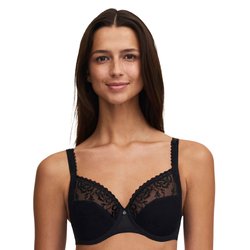
Our selection includes options across different brands and finishes, so you can compare styles such as bras chantelle, bras tommy hilfiger and bras suite privee if you want to explore different fits within the full coverage category. Each brand can cut the cup a little differently, which is useful to remember if one shape works better for your body than another.
Common fit mistakes to avoid
One of the most common mistakes is choosing a bigger band to compensate for a cup that feels too small. That often leads to a bra that rides up, shifts during the day and leaves the straps doing too much work. Another common issue is assuming all full cup bras will fit the same way. A non-padded lace style may adapt differently from a moulded, wired design, even in the same size.
It is also easy to mistake compression for support. If a bra presses your bust down or sideways without actually holding it comfortably, it may not be the right fit. A good full cup bra should support and contain, not simply squash. If you are between sizes, trying two neighbouring cup sizes can save time in the long run.
Finally, think about what you wear most often. If your wardrobe includes shirts, wrap tops and fine jumpers, one full cup style may not cover every need. You may want a fuller coverage bra for busy weekdays and a lower-cut option for certain necklines, such as a plunge or softer bralette shape. Building that mix can make getting dressed much easier.
What you need to know before buying
What is considered a full cup size?
A full cup size does not refer to one single letter size such as C, D or E. Instead, it describes a bra shape that offers more coverage across the bust. In other words, a full cup bra can exist in many cup sizes, from smaller to fuller bust measurements, as long as the design is cut to cover more of the breast than lower-neckline styles. The cup usually rises higher over the bust and often extends further at the sides, which helps with support and containment.
That distinction matters when you are shopping, because some people assume “full cup” means only larger sizes. In practice, it is about the structure and coverage of the bra, not just the letter on the label. If you are comparing a full cup bra with plunge or balcony bras, the full cup version will generally feel more secure for everyday wear, especially if you move around a lot.
Here are a few signs that a bra is considered full cup:
- the cup covers more of the top of the bust
- the side panels help contain breast tissue
- the neckline is usually less open than a plunge style
- the design focuses on support and stable everyday fit
A common mistake is choosing a full cup style and expecting it to feel the same as a lower-cut bra. It often feels more enclosing, which is exactly the point. For example, if you wear fitted office blouses and spend hours sitting, standing and walking between appointments, a full cup bra can help prevent top-edge spill and reduce the need for mid-day adjustments. If you have a fuller bust and need support during long grocery shopping trips or light daily errands, this shape often feels steadier than a more open cup. So the term “full cup” is about coverage and function, not one specific size bracket.
How do I know what cup size my bra should be?
You know your cup size is right when the bra contains your bust fully, stays comfortable through movement and gives support without cutting in or leaving empty space. The easiest way to check is to fasten the bra on the loosest hook, scoop all breast tissue into the cups, then assess the fit while standing, sitting and moving your arms. If the top of the cup digs in, the cup is too small or too closed for your shape. If the fabric wrinkles or gaps, the cup may be too large or the style may not suit your bust shape.
Start with these practical checks:
- the centre front should sit close to the chest in many wired bras
- the band should stay level around the body
- the cup edge should lie smooth without bulging
- the underwire, if present, should sit around the breast tissue, not on it
- the straps should support lightly, not carry all the weight
There are also a few pitfalls to avoid. Do not judge the fit after only a quick glance in the mirror. A bra can look fine for thirty seconds and still fail once you start moving. Do not tighten the straps to solve a loose band or small cup problem, because that usually causes shoulder pressure without improving support. And do not assume your usual size will fit in every brand or every style. A moulded cup, a non-padded lace cup and a stretch full cup can all fit differently.
For a concrete example, imagine you are trying a full cup bra to wear under a fitted blouse for work. When you first put it on, the shape looks neat. Then you sit down, lean forward and notice slight overflow at the top of the cup. That tells you the cup is likely too small, even if it seemed fine at first. Or perhaps you wear it on a grocery run and the band shifts upward as you lift shopping bags. In that case, the band may be too loose, which can also affect how the cup fits. The correct cup size is the one that still feels secure after real movement, not just while standing still in the changing room.