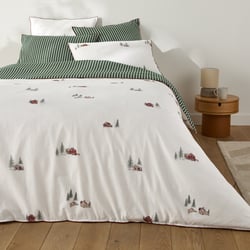
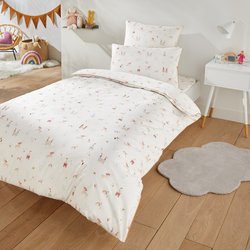
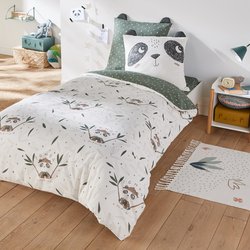
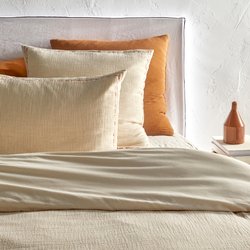
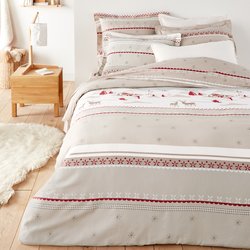
Choose the right duvet set for fit, comfort and easy everyday care
Your duvet cover does more than change the look of your bed. It helps keep your duvet clean, feels comfortable against your skin and affects how tidy the bed looks once it is made. If you are buying a new duvet cover set, it makes sense to start with the points that matter most in daily use: size, material and care. Once those are right, you can check that the set works well with your mattress, pillows and duvet insert.
A well-chosen set can make your bedroom routine simpler. It protects your duvet from spills during nightly sleep, and it makes washing bedding easier because you can remove and launder the duvet cover rather than clean the whole duvet every time. It can also refresh bedroom decor quickly with matching pillow shams and cover, which is useful if you like to switch from a plain look to a floral or blue design without replacing all your bedroom furniture.
When you browse options, you may notice different finishes, closures, fabric weights and pattern choices. Those details matter, but they only work well if the fit is right first. A cover that is too small can pull at the corners and leave the duvet bunched up. One that is too large may leave empty space inside, so the filling drifts to one side during the night. That is why we recommend checking measurements before looking at colour, print or price.
Start with size: the most important buying step
If you want your bed to look neat and feel comfortable, begin with the dimensions of your duvet insert, not just the bed frame. Many shoppers search by bed type such as single, double or king, but duvet sizes can vary depending on the brand and the amount of drape you prefer at the sides. Measure your current duvet or check the label before you buy a new cover.
For example, if your bed is a double but you use a larger duvet for extra overhang, buying a standard double cover may create a tight fit. In practical terms, that can make it harder to insert the duvet and may put the seams under strain after repeated washing. On the other hand, if you buy a larger cover than the duvet itself, the insert may shift inside the fabric and gather at the foot of the bed, which often feels uncomfortable by morning.
- Check the duvet insert measurements in centimetres.
- Compare them with the listed cover size, not only the bed name.
- Think about side drape if you share the bed.
- Make sure pillowcases in the set match the pillows you already use.
Some shoppers buy one cover as a single unit, while others prefer coordinated sets with matching pillowcases for a quicker bedroom update. If you are replacing worn bed linen in one go, a matching set can save time because you know the pieces work well together visually and proportionally.
Material matters: comfort starts with the fabric
Once you have sorted the size, move on to fabric. The material changes how the cover feels when you slip into bed, how warm it feels through the night and how much ironing or upkeep it needs after washing. For many homes, cotton remains a popular choice because it is breathable, soft and easy to use for much of the year.
If you like a smooth, familiar finish that works for guest rooms, children’s rooms and main bedrooms alike, cotton is a practical place to start. A regular cotton duvet cover often suits everyday use because it is easy to wash and comfortable in both warmer and cooler months. If your room tends to feel warm at night, lighter cotton can feel fresher against the skin than heavier fabrics.
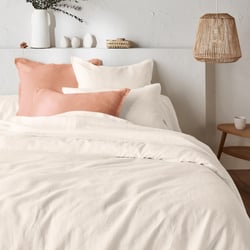
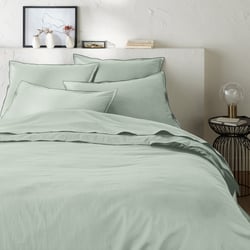
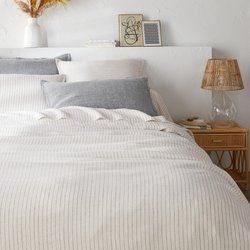
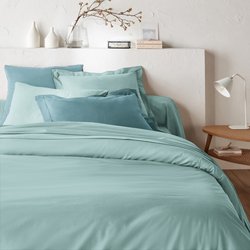
If you prefer a more relaxed texture, washed linen can be appealing. At La Redoute, the Linot Plain 100% Washed Linen Duvet Cover - LA REDOUTE INTERIEURS offers a laid-back finish that suits bedrooms where you want softness without a stiff, pressed look. That kind of fabric can work especially well if you do not want to iron your bed linen every week.
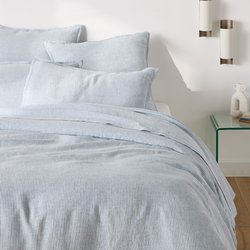
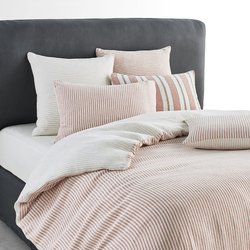
Pattern and colour are easier to choose once you know the fabric suits your routine. A plain neutral cover can make a small room feel calmer, while a blue stripe or floral print can bring more character to a simple bed base. If your room already has a textured blanket or a decorative throw, a quieter duvet design may help balance the overall look.
Easy-care features to look for
For most people, bedding needs to be practical before anything else. A beautiful cover quickly loses its appeal if it creases heavily, takes too long to dry or feels awkward to remove. This is where a focus on easy-care fabric really helps. Think about how often you wash your duvet cover and how much time you want to spend on laundry day.
A cover that comes off easily and goes back on without a struggle is useful in homes with children, pets or busy schedules. Since a duvet cover is used nightly, it often needs more frequent cleaning than the duvet insert itself. That means the right choice can make your bedding routine simpler week after week.
- Look for fabric that suits your washing habits.
- Check whether the finish is crisp, brushed or relaxed.
- Consider drying time if you wash bedding in one day.
- Think about closure details if you dislike duvet slippage.
If you often change your bed linen on a Sunday morning before the rest of the house is awake, a lighter, easy-care cover can be much less awkward to handle than a heavier style. In everyday use, that means less pulling, faster drying and a bed that is ready again by the evening.
Confirm compatibility with your bed and duvet insert
After choosing the right size and fabric, check how the cover works with the rest of your bed setup. This includes mattress depth, pillow size, bed width and the loft of your duvet. A high-loft duvet can fill a cover more fully, while a thinner one may need a slightly closer fit to avoid looking flat.
If you use a deep mattress with a large topper, a generously sized duvet often looks more balanced because it covers the sides better. This matters especially on a king bed, where a narrow duvet can leave the edges exposed and make the whole bed appear undersized. By contrast, in a smaller room, too much overhang can look bulky and may brush against nearby bedside tables or storage benches.
Also think about your sleeping habits. If one person tends to pull the duvet during the night, a wider duvet and matching cover can reduce that tug-of-war feeling. If you prefer a crisp hotel-style bed, choose a cover that matches the insert closely so the surface looks smooth once tucked in and shaken into place.
Style choices that still stay practical
Once fit and comfort are sorted, you can enjoy the visual side of shopping. A duvet cover set is one of the quickest ways to update a bedroom without changing furniture, wall colour or flooring. This is where matching pillowcases make a clear difference: they create a more finished bed in minutes, which is useful before guests arrive or when you want your room to feel more put together after a busy week.
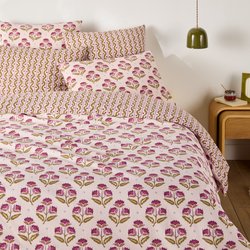
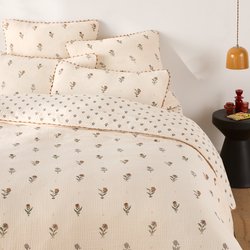
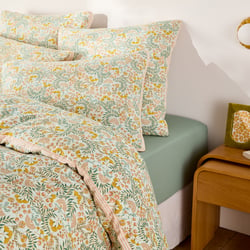
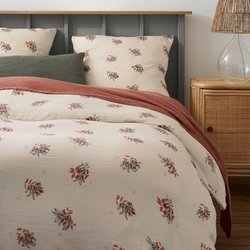
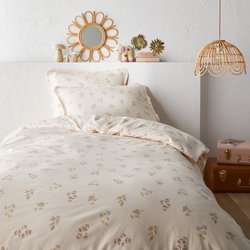
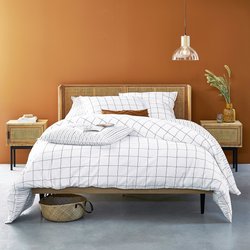
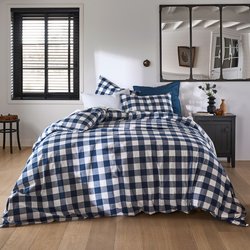
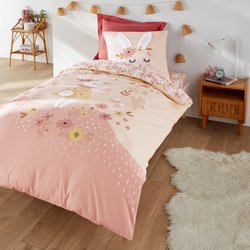
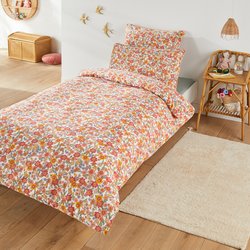
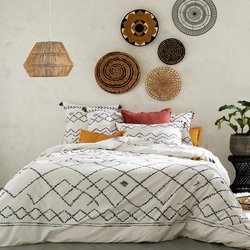
If you like to switch between moods during the year, you might keep one plain set for everyday use and one patterned option for a seasonal refresh. A floral design can soften a room with simple wood furniture, while a blue geometric print may suit a cleaner, more contemporary space. If you are browsing themed collections, you may also want to explore bedding & linen sets Mapoesie x La Redoute Interieurs, bedding & linen sets wylder nature, bedding & linen sets Peter Rabbit, bedding & linen sets Paoletti and bedding & linen sets Pineapple Elephant for different decorative directions.
When comparing options, remember that style should support your routine rather than complicate it. If a highly textured finish catches pet hair or needs careful ironing to look neat, it may not be the best choice for your main bed, even if you love the pattern online.
What to check before you place your order
Before you add a duvet cover to your basket, run through a quick practical checklist. This helps you avoid returns and saves time if you are shopping during a sale, when popular sizes may sell out quickly. It is worth checking what is available in your preferred colour and whether the design is sold as a full set or as a separate unit.
- Confirm the exact duvet dimensions.
- Check whether pillowcases are included.
- Read the fabric composition and care guidance.
- Compare the listed price with what is included in the set.
- Review stock status, delivery timing and returns details.
Some shoppers focus only on the lowest price, but value depends on what you receive. A cover sold as one unit may suit you if you already have pillowcases you love. A coordinated set may be better if you want everything to match straight away. If you are updating a guest room on a deadline, it also helps to check whether delivery is quick and whether any promotional offer or free service applies at checkout.
How to choose with confidence
The easiest way to choose well is to think about how the duvet cover will be used over a normal month, not just how it looks in a product photo. Ask yourself how often you wash it, whether you sleep warm or cool, whether you share the bed and whether you prefer a crisp or relaxed finish. These details will lead you to a better match than trend alone.
If your household needs low-fuss bed linen, a regular cotton set in the right size is often a reliable option. If you want a softer drape and a more casual look, washed linen may suit you better. If your room needs a quick visual lift, a patterned set with matching pillowcases can do the job without changing the whole decor. In each case, the best result starts with fit first, then comfort, then care.
What you need to know before buying
How to choose a duvet cover set?
To choose a duvet cover set well, start with the duvet insert you already own and build from there. The first step is to match the cover size to the duvet itself, not only to the bed name. A double bed may sometimes use a larger duvet for extra drape, and a king bed may need more width if you want fuller coverage at the sides. Once the size is confirmed, move on to the fabric, because that affects comfort every night and determines how easy the set is to wash, dry and put back on the bed.
Then look at what is included in the set. Some options come with matching pillowcases, which is useful if you want a coordinated look straight away. This also helps if you want to refresh bedroom decor quickly with matching pillow shams and cover before guests stay over. After that, compare the finish and care needs. If you prefer low-maintenance bedding, a regular cotton cover may be more practical than a fabric that needs careful pressing to look neat.
- Measure your duvet insert first.
- Check whether the set includes pillowcases.
- Choose fabric based on sleeping comfort and laundry habits.
- Think about colour and print only after fit and care are sorted.
A common mistake is buying based only on pattern or sale price. In practice, that can leave you with a cover that bunches, looks too small on the bed or feels too warm at night. For example, if you choose a floral set for a king bed without checking the insert size, you may end up with corners that do not fill properly, making the duvet slide around when you turn in your sleep. A better approach is to choose fit first, then the material that suits your routine, then the design you enjoy seeing every day.
Should your duvet be bigger than your bed size?
Yes, in many cases your duvet can be bigger than your bed size, and that often improves both comfort and appearance. The reason is simple: the bed frame and mattress width do not always tell you how much coverage you want at the sides. If you share a bed, a slightly larger duvet can give each sleeper more cover during the night and reduce the problem of one person pulling the duvet away from the other. It can also make the bed look fuller, especially if you have a deep mattress or mattress topper.
That said, bigger is only helpful up to a point. The duvet should still fit properly inside the cover you buy. If the duvet is much smaller than the cover, it may drift and gather at one end. If the duvet is much larger than the cover, the filling can compress inside and create a lumpy finish. The key is to keep the duvet and cover matched, while deciding whether the duvet itself should be sized up from the bed.
- Size up if you want more side drape.
- Size up if two people share the bed and want better coverage.
- Stay proportionate to the room so the bed does not look bulky.
- Always match the cover to the actual duvet dimensions.
A practical example helps here. If you have a double bed but dislike cold gaps at the sides, a larger duvet may feel more comfortable and look more generous once covered. This is also helpful because the cover protects your duvet from spills during nightly sleep, and fuller coverage keeps more of the bed area covered while you rest. The pitfall to avoid is assuming all larger duvets will work with your existing cover. Before buying, measure the insert, check the listed cover size and make sure the pairing will sit smoothly on your bed rather than hanging too low or bunching inside.