Find a Fit That Works for Your Build
Finding jeans that fit your build starts with more than the number on the waistband. Two pairs in the same size can feel quite different when you sit down, climb stairs or tuck in a shirt. The rise determines where the waistband sits, the cut controls room through the thigh and leg, and the denim affects how freely you can move. Length then decides whether the hem sits neatly above your trainers or gathers around your shoes.
At La Redoute, we recommend comparing these details in order: rise, leg cut, stretch and length. This gives you a practical way to narrow down men's jeans, whether you need a dark pair for casual office Fridays or something roomier for weekend errands.
Start with the Rise and Waist Fit
The rise is the distance from the crotch seam to the top of the waistband. It affects both comfort and proportion, so check where you want your jeans to sit before choosing a waist size. Measuring around your natural waist is useful, but a low-rise pair sits below that point and may need a different measurement. Always compare your measurements with the product size guide.
Low, Mid and High Rises
A low rise sits closer to the hips. It can suit you if you dislike fabric around your middle, although it may provide less coverage when you bend or sit. Try it with the tops you normally wear: a short T-shirt can pull away from the waistband when you reach upwards.
A mid rise usually sits between the hips and natural waist. It is a useful starting point for everyday wear because it provides more coverage than a low rise without sitting as high on the torso. For a commute involving a train seat, stairs and a walk to the office, check that the waistband stays comfortable in each position.
A high rise sits nearer the natural waist and can give more coverage across the stomach and back. It may work well if lower waistbands slide down or press across your hips. With a tucked-in shirt, it also places the waistline higher, changing the visible proportions of your torso and legs.
Check the Waist Without Relying on a Belt
The waistband should stay in place without digging in or needing a tightly fastened belt. A little room is useful, but a large gap at the back may indicate that the rise or overall shape does not suit you. If the waist fits but the thighs feel restricted, try a roomier cut rather than automatically choosing a larger waist.
- Fasten the jeans and stand normally, without holding in your stomach.
- Sit down and check for pressure across the waist and lower abdomen.
- Bend forward to see whether the back waistband pulls down or gaps.
- Check the front pockets: pulling or flaring can indicate insufficient room across the hips.
Compare Straight, Slim and Roomier Leg Cuts
Cut descriptions are a starting point rather than a universal sizing system. A slim fit from one brand may feel similar to a regular fit from another. Look at the product measurements where available, then consider the space you need through the seat, thighs, knees and calves.
Straight and Regular Fits for Everyday Wear
Straight jeans keep a fairly consistent width from the knee to the hem. They give you room around the lower leg without the narrowing found in tapered styles. If you wear ankle boots or prefer denim that does not grip your calves, this shape is worth trying.
Regular often describes a comfortable overall fit through the seat and thigh, but it does not always specify the exact hem shape. Read the full description rather than assuming every regular pair has a straight leg. Check both the thigh room and the hem opening if you want jeans that sit comfortably over your usual footwear.
Slim and Skinny Fits for a Closer Shape
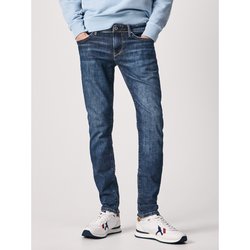
Slim jeans follow the leg more closely while leaving some room for movement. They can work with a knitted jumper and low-profile trainers when you want less fabric around the ankles. If you have muscular thighs, check for horizontal pulling across the upper leg; a close fit should not prevent you from sitting comfortably.
Skinny jeans fit closely through the thigh, knee and calf. Stretch can make this shape easier to wear, but it does not replace sufficient room. If the knees feel compressed or the waistband pulls down when you sit, compare a slim cut or a different rise before sizing up.
Tapered, Loose and Baggy Shapes
Tapered jeans have more room higher up the leg and narrow towards the ankle. This design can suit men who need space through the thighs but prefer a smaller hem opening. Check the calf fit as well: a strong taper can still feel restrictive below the knee.
Loose jeans provide extra room through the seat and legs, which can be useful when bending to load shopping into the car or spending an afternoon at a garden barbecue. Baggy cuts add more volume again. With either shape, keep the waist secure and check that the hem does not trail under your heel. A roomy leg should give you space to move, not force you to keep pulling up the waistband.
Choose Denim Weight and Stretch for Your Routine
The feel of denim depends on its weight, fibre content and finish. A rigid cotton pair can feel quite different from softer stretch denim, even when both have the same cut. Think about when you will wear your jeans: long periods sitting down place different demands on the fabric from short walks or outdoor jobs.
Lighter and Heavier Denim
Where fabric weight is supplied, it is usually expressed in ounces per square yard. As a broad guide, denim below about 12 ounces tends to feel lighter, while denim above about 14 ounces generally feels more substantial. These are not fixed categories, and the weave and finishing process also affect the feel.
Lighter denim can be easier to wear on a warm commute or when you move between heated shops during weekend errands. Heavier denim usually feels firmer and can hold a straighter silhouette, although it may take longer to soften. For garage projects, check fabric strength and freedom of movement, and use suitable protective clothing whenever the task requires it.
Rigid Denim and Stretch Blends
Rigid denim generally has no added stretch fibre. It may soften and relax with wear, but you should not rely on that to solve a painfully tight fit. Stretch denim often contains a small proportion of elastane, allowing the fabric to flex when you sit or bend. The percentage alone does not tell you how the jeans will feel, because fabric construction matters too.
Use the sitting and stepping test to judge stretch. Sit on a chair, lift one knee and take a high step. The jeans should allow those movements without sharp pressure behind the knees or across the thighs. For comfortable commutes and casual office Fridays, a moderate amount of stretch can be useful if your day combines desk work with walking between appointments.
Raw denim has not undergone a conventional pre-wash, so it often starts firmer and develops creases with wear. Some raw fabrics can shrink noticeably when washed, particularly if they have not been treated to limit shrinkage. Follow the product's sizing and care guidance rather than assuming your usual size will behave like a pre-washed pair.
Get the Inseam and Hem Length Right
The inseam runs from the crotch seam down the inside leg to the hem. To find a useful reference, lay a pair you already like flat and measure along that seam. Check whether the listed length is a body measurement or a finished garment measurement, as the distinction affects your choice.
Try jeans with the shoes you expect to wear most often. A length that sits neatly over boots may gather heavily above low trainers. For a clean everyday finish, look for a hem that meets the top of your shoe with little or a small fold of fabric. More gathering can be a deliberate style choice, but the fabric should not drag on the ground.
A narrow hem can catch on the calf or shoe rather than falling freely, making the jeans appear shorter. A wider straight leg usually drops more easily. If the waist and thighs fit well but the length does not, consider a different inseam or hemming rather than changing the whole size. Turn-ups can shorten the leg temporarily, though several thick folds may feel bulky.
Choose a Colour and Wash You Will Actually Wear
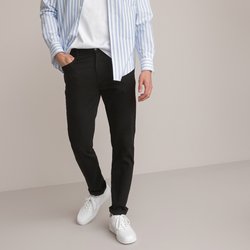
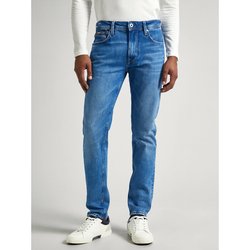
Dark blue denim works with Oxford shirts, plain knitwear and casual jackets, making it useful for workplaces that allow jeans. A lighter blue wash suits relaxed weekend combinations, such as trainers and a sweatshirt for coffee runs. Black jeans can sit alongside dark shoes and a simple shirt when you want a less visibly casual outfit, although distressed details will change that effect.
A wash can also affect softness and appearance. Faded areas draw attention to specific parts of the leg, while a more even colour gives a less contrasted finish. Look closely at the product images if you prefer minimal fading around the thighs or knees.
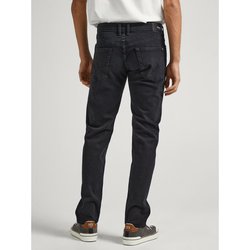
New dark denim may transfer colour onto pale upholstery, shoes or clothing. Check the care label before the first wear and wash as directed. This is especially useful if your commute involves sitting on light-coloured car seats.
Compare Price Against Fit and Practical Details
Start with a comfortable fit, then compare the price of pairs that meet your needs. A lower-priced pair is less useful if you avoid wearing it because the waistband pinches. Equally, a higher price does not guarantee that the rise or leg shape will suit you.
When shopping a sale, check the measurements and returns terms before ordering. This gives you a clearer basis for comparing an unfamiliar cut with jeans you already own. Include any likely alteration cost if the inseam needs shortening.
- Check pocket depth if you regularly carry a phone or travel card.
- Look at belt-loop placement if you wear a belt throughout the working day.
- Compare zip and button fastenings according to your preference.
- Read the care instructions to check that the washing routine suits your household.
Build a Small Rotation Around Your Week
For an active week, you might choose mid-rise straight jeans in dark blue for the office, then a roomier tapered pair for errands and relaxed afternoons. Pair men's jeans with trainers for weekend shopping and coffee stops, checking that the hems clear the pavement. If you spend weekends grilling outdoors or walking, choose enough thigh room to crouch and step comfortably.
Before keeping a new pair, repeat the same checks: fasten the waist, sit down, bend, walk and inspect the hem with your shoes on. The right jeans should work across those ordinary movements. Once you know your preferred rise, thigh room and inseam, use those details as reference points for your next pair rather than relying on the size label alone.