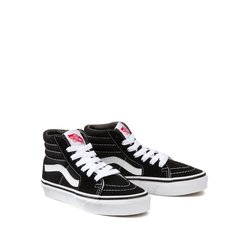
Choose the right girls trainers
When you are buying girls trainers, the first thing to think about is not colour or brand, but how they will feel after a full day of movement. A pair can look great on the shelf, yet still feel too stiff for the walk to school, too narrow for lunchtime games, or too flat for after-school clubs. The best trainers for kids support busy days from the first bell to the journey home, with enough flexibility for play and enough structure for growing feet.
For many families, trainers are the pair that gets worn more than any other shoes. They are used for the school run, errands with you at the weekend, and energetic moments such as running playground races during school break in girls trainers. That is why it helps to focus on fit, comfort, materials and practical care before you compare colourways, star ratings or price points.
At La Redoute, we know that parents often want one pair that can cope with regular wear, repeated washing of socks, and plenty of on-off use at the front door, so our selection of girls trainers includes options designed for everyday comfort as well as active use.
Why fit matters so much for growing feet
Children’s feet change quickly, and a trainer that fitted well at the start of term can begin to feel snug only a few months later. With kids footwear, a good fit helps with balance, comfort and confidence. If a pair is too small, toes can feel cramped during walking or running. If it is too large, the foot may slide forward, which can lead to rubbing at the heel or awkward movement when your child changes direction quickly in the playground.
A useful starting point is to leave a little growing room at the toe without going so far that the shoe feels loose. As a practical guide, there should be space for the toes to move, but the heel should stay secure. This matters when girls are climbing at the park, hopping over kerbs, or joining in skipping games at school. A trainer that shifts around inside can make these everyday movements less comfortable.
Look closely at the opening too. Some junior trainers have a narrower entry, which can make them harder to get on in a hurry before school. Others use wide touch-fastening straps or stretchy laces, which can help younger kids put their own shoes on with less fuss. If mornings are busy, that detail can make a real difference.
Signs a trainer fits well
- The heel stays in place when your child walks across the room.
- Toes are not pressed against the front during standing or running.
- The fastening feels secure without leaving marks on the foot.
- The shoe bends with the foot at the front, not through the middle.
- Your child can wear them for a full afternoon without asking to take them off.
How to check sizing before you buy
Sizing can vary between designs, so the number on the label should never be your only guide. One pair of trainers in a slim shape may feel very different from another in a rounder, roomier cut. If your child is between sizes, think about how they will use the trainers most often. For example, if they will be using girls trainers for after-school sports practice and activities, you want enough room for movement, but not so much that the foot slips during quick starts and stops.
It helps to measure feet at the end of the day, when they are naturally a little fuller. Have your child stand up rather than sit down, because weight-bearing gives you a more realistic idea of length and width. If one foot is slightly bigger, always fit to the larger foot. This is especially useful when choosing trainers for regular school wear, where hours of use can make a small sizing issue feel much bigger by the afternoon.
Think about socks as well. A trainer that fits neatly with thin ankle socks may feel too tight with thicker sports socks. If your child changes into PE kit or uses trainers for clubs, test the fit with the type of socks they are most likely to wear.
Comfort features that help in daily life
Comfort in girls trainers comes from a mix of details rather than one single feature. Soft padding around the collar can reduce rubbing at the ankle. A cushioned insole can make repeated impact feel easier on the foot during walking and play. A flexible sole helps natural movement, while a sole with enough grip supports quick turns on playground surfaces or pavements after rain.
For everyday use, lightweight trainers are often a sensible choice. Heavier shoes can feel tiring if your child wears them from breakfast club through to a trip to the shops after school. A lighter pair is also easier to pack for sleepovers, holiday days out or a change of shoes in the car.
Breathability matters too. Trainers made with mesh panels or lighter textile uppers can feel cooler during active use, especially in spring and summer. If your child tends to get warm feet, this can help them stay comfortable through lessons, break times and the walk home.
When you compare products, details such as average rating and reviews can be useful, but read them with your own child’s needs in mind. One parent may praise a low-profile trainer for its neat shape, while another may prefer a roomier design for wider feet. A high star rating is helpful, yet it should support your decision rather than replace practical fit guidance.
Choosing the right materials
The material of a trainer affects comfort, care and how the shoe performs during everyday wear. If your child needs a pair for frequent use, think about where and how they will wear them most often.
Canvas trainers are often light and easy to wear, making them a good option for dry days, indoor use, or lighter activity. They can feel soft from the start, which some kids prefer if they dislike stiff shoes. A white or pink canvas pair can look fresh and fun, though lighter shades may show playground marks more quickly.
Synthetic or mixed-material trainers can offer more structure and may cope better with repeated scuffs at the toe. This can be useful if your child kneels during games, uses scooters, or drags the front of the shoe when stopping suddenly. A black pair may hide everyday marks more easily, while brighter designs can make it easier to spot your child’s shoes in a busy cloakroom.
Mesh panels are often chosen for breathability, especially in running-inspired trainers. They can be practical for warmer days or energetic sessions, but it is worth checking whether the overall design still gives enough support for all-day wear. Some families like to keep one lighter pair for mild weather and another sturdier option for wetter weeks.
Which style suits your child’s routine?
Not every pair of trainers is made for the same kind of day. Some are shaped more like sporty running shoes, while others have a simpler everyday profile that works well with jeans, leggings or school-casual outfits. The right choice depends on what your child actually does in them.
If your child spends lots of time outdoors, a supportive sole and secure fastening are often more useful than a very fashion-led shape. For example, when wearing girls trainers for weekend park walks and playdates, they may move from pavement to grass, climb low play equipment and stop-start constantly. In that case, grip and comfort will matter more than a delicate finish.
If the trainers are mainly for school and local outings, a versatile design in black, white or pink can be easy to match with everyday clothes. Some girls love sparkly details or a star motif, while others prefer cleaner, sportier lines. There is room for personality, but it helps to keep practical wear at the centre of the choice.
You can also browse related options if you are building a full footwear wardrobe for the season. Alongside trainers, some families look at girls' shoes for smarter days, or lighter summer styles such as girls flip flops & mules for holidays and warm weekends.
Fastenings: what works best for your child?
Fastenings affect both fit and independence. Touch-fastening straps are often ideal for younger kids who want to put their trainers on by themselves before nursery, school or clubs. They are quick to adjust and easy to tighten if the shoe feels loose.
Laces can provide a more precise fit, which is useful for active children or those with narrower feet. However, they are only practical if your child can tie them securely or if you do not mind helping each time. Stretch laces combined with a strap can offer a middle ground: easy to slip on, but still supportive enough for regular movement.
For older girls or junior shoppers choosing their own style, fastening can also influence the look of the trainer. Some prefer sleek lace-up designs, while others like sporty straps. The best option is the one that suits their daily routine and keeps the foot stable.
How many pairs do kids really need?
That depends on routine, weather and how often the trainers are worn. If one pair is used every day for school, clubs and weekend activities, it may wear out faster than a pair kept for occasional use. Some parents prefer a main everyday trainer plus a backup pair for muddy days, PE, or unexpected growth spurts.
If you are comparing a new pair with other footwear in your child’s wardrobe, think seasonally. You might also be looking at sturdier options such as boots & trainers Aigle for wetter weather, beach-ready choices like girls' shoes, boots & trainers Havaianas, sporty alternatives including girls' shoes, boots & trainers Adidas Sportswear, or practical cold-weather styles such as croc boots. Looking at the full picture can help you decide whether the trainers need to do everything or simply cover one part of the week.
What to think about when comparing price
Price matters, especially when kids outgrow shoes quickly. A low price can be appealing, but it is still worth checking what you are getting in terms of support, fastening and durability. If a cheaper pair rubs, slips or loses shape after a few busy weeks, it may not feel like good value in real life.
When comparing trainers, look beyond the headline figure and think about how often they will be worn. A pair used five days a week for school plus weekend outings needs to cope with much more than a pair kept for occasional trips. You may also notice details such as VAT included in the displayed price, which helps when planning a family budget.
Reviews, average rating and product notes can help you assess whether a pair tends to come up small, wide or true to size. If several reviews mention that the toe area feels narrow, that is useful evidence if your child has broader feet. If the rating is strong because parents say the trainers stay comfortable after all-day wear, that tells you something practical rather than simply visual.
Care tips to keep girls trainers looking good
Children’s trainers go through a lot: dusty playgrounds, snack-time spills, damp grass and sudden puddle jumps. A little routine care can help them stay comfortable and presentable for longer.
- Brush off loose dirt after outdoor play rather than letting it dry in.
- Wipe synthetic uppers with a damp cloth for quick cleaning after school.
- Check care instructions before washing canvas styles.
- Let trainers dry naturally after getting wet, away from direct heat.
- Loosen laces or straps fully when putting them on and taking them off to reduce strain on the shape.
If your child wears white trainers, keeping a cloth near the door can help you tackle marks before they set. For black pairs, dust may show less, but mud around the sole can still build up. Rotating between two pairs, if you have them, also gives each pair time to air out between wears.
Small details that make a big difference
When you are choosing girls trainers, it is often the smaller details that decide whether a pair becomes the pair your child reaches for every morning. A padded tongue can stop lace pressure. A pull tab can help kids get shoes on independently. A reinforced toe can be handy for active girls who spend break time racing friends or kicking a ball around.
Designs vary widely, from sporty new arrivals with running-inspired soles to simple canvas shoes in soft colours. Some girls want pink accents, some prefer classic white, and some go straight for black because it works with everything. These choices matter, because children are more likely to wear shoes happily when they like the look. Still, style works best when it supports comfort rather than competing with it.
The right girls trainers should fit well, feel secure and cope with real daily use. If you start with sizing, check the materials, think about routine and read reviews with care, you are far more likely to choose a pair that keeps up with growing feet and busy days.