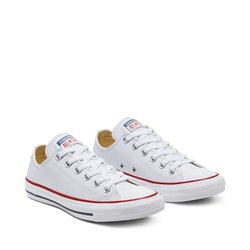
Choose men’s low tops with confidence
Finding the right pair of men’s low tops is often less about trends and more about how they feel from the first step to the last errand of the day. If you want trainers you can rely on from the morning commute to a relaxed evening out, the low-top silhouette is one of the easiest styles to wear. It sits neatly below the ankle, works with a wide range of clothing, and gives you the freedom to move without the extra coverage of boots or the structure of men's high tops.
When you are choosing everyday shoes, the details matter. A slightly narrow toe box can leave your feet tired by lunchtime. A flat sole with little support may feel fine indoors, then less comfortable during a long walk home. A soft suede upper may look smart with jeans and shirts, but it will need more care than smooth leather or canvas if you wear it in mixed weather. The best approach is simple: start with fit, then check comfort features, then look at materials and styling.
At La Redoute, we bring together everyday trainers designed for different routines, whether you need a clean court-inspired pair for office casual Fridays or a lighter style for weekend walking. That means you can compare shape, lining, sole thickness and fastening details with your daily wear in mind, not just the look of the shoe on a shelf.
Why the low-top silhouette works so well for daily wear
The appeal of low tops is practical. Because the collar sits below the ankle, they are easy to slip on, simple to style with most trouser lengths, and less bulky than many sports shoes. If you wear straight-leg jeans, chinos or even tailored trousers, low trainers usually sit neatly without bunching the hem. That makes them a dependable option for men who want one pair to cover several parts of the week.
For example, if you are wearing men’s low tops for casual weekend grocery runs downtown, you may want a cushioned sole and a wipe-clean upper. You are likely walking from pavement to shop floor, carrying bags, standing in queues and heading back out again. In that setting, comfort underfoot matters more than a very thin vintage-style sole. On the other hand, if you are pairing men’s low tops with jeans for office casual Fridays, a slimmer profile in leather or suede can feel more polished while still staying relaxed.
Low tops also suit changing plans. A pair worn during the day with denim and a sweatshirt can still work for evening walks and coffee meetups if the shape is tidy and the colour is versatile. White, navy, grey, tan and black are often the easiest shades to match with clothing and accessories already in your wardrobe.
Fit first: how men’s trainers should feel
Good fit is the main reason you will keep reaching for the same pair of trainers. If the length is right but the width is too tight, your feet can feel pinched across the forefoot. If the heel slips, you may end up gripping with your toes as you walk, which can make a quick trip feel longer than it should. A well-fitting trainer should feel secure without pressure.
When you try on low tops, focus on these points:
- Toe space: leave a small gap in front of your longest toe so your feet can move naturally when walking downhill or at pace.
- Heel hold: your heel should stay in place with only slight movement, not lift noticeably with each step.
- Midfoot comfort: the laces should pull the shoe around your foot without creating tight pressure across the top.
- Width: the sides should feel supportive, not squeezed. If the upper bulges outward, the fit may be too narrow.
- Ankle line: the edge of the low-top collar should sit comfortably without rubbing when you walk.
A useful tip is to try trainers later in the day. Feet often swell slightly after hours of walking, standing or travelling, so an afternoon fitting gives you a more realistic idea of all-day comfort. Wear the same type of socks you plan to use regularly. Thick sports socks can change the fit completely compared with thin everyday pairs.
Material choices that affect comfort and sizing
The upper material changes not only the look of the shoe, but also how it feels over time. Some materials soften and adapt to your foot, while others keep a firmer shape. If you want sizing confidence, knowing these differences can help.
Leather
Leather trainers often feel structured at first, then become more flexible with wear. They are a solid choice if you want shoes that can move from weekday to weekend without looking too sporty. A leather low-top in black or white works well with jeans, tapered trousers and overshirts. It can also suit office casual settings where bright running trainers might feel too informal.
Canvas
Canvas is light and breathable, which is useful in warmer months or if you prefer a less rigid shoe. It usually feels easy from the first wear, although it may offer less support than leather. For shorter walks, coffee meetups and relaxed city wear, canvas can be a comfortable option. If you spend long days on your feet, check that the insole has enough cushioning.
Suede
Suede gives a softer, more textured finish, often making a trainer look slightly smarter with chinos, shirts and lightweight jackets. It can be a very comfortable material because it tends to feel supple across the foot. The trade-off is care: suede marks more easily in rain or on dusty pavements, so it suits drier days or indoor-heavy routines better than rough weather commutes.
Mesh and mixed materials
If you like a sportier look, mesh panels and technical fabrics increase airflow and reduce weight. That can be useful if you walk a lot, run short errands on foot or like the look of retro running shoes. Some mixed-material trainers also include padded collars, shock-absorbing soles and breathable linings, all of which help with daily comfort.
How sole design changes the feel of your day
Two pairs of low tops can look similar from above and feel completely different underfoot. The sole affects flexibility, grip, cushioning and stability. For everyday wear, think about where you actually walk. Smooth office floors, city pavements, station steps and supermarket aisles all place different demands on your shoe.
A flat court sole often gives a clean, simple shape. It is popular because it looks smart with many outfits, but some versions are firmer underfoot. If you are mainly sitting, commuting short distances and moving between indoor spaces, that may suit you well. If you walk more than expected during the day, a sole with more cushioning can feel easier on your feet.
Chunkier soles, often seen in sports-inspired trainers, can add shock absorption and support. They may also create better balance if you carry a backpack, laptop or shopping bags during the day. Look for an outsole with visible grip if you use your trainers on smooth pavements after rain. Even a stylish shoe needs to feel reliable when conditions change.
Choosing low tops for different routines
The easiest way to narrow your choice is to picture your week. Rather than asking whether a pair looks good in general, ask where you will actually wear it and what your feet will be doing.
For office casual Fridays
If your workplace allows smart-casual clothing, low tops can sit neatly between formal shoes and weekend trainers. Go for a clean shape in leather or suede, with limited branding and a streamlined sole. These pairs work well with dark jeans, chinos, knitted polos and button-down shirts. If you already own tailored jackets or neutral bags, a simple trainer in white, brown, navy or black usually fits in easily.
For weekend errands downtown
If your Saturday includes grocery runs, a stop at the bakery and a walk back through town, comfort becomes your first filter. Look for a padded insole, flexible forefoot and practical upper that is easy to clean. A pair with lace fastening gives you more control over fit than very loose slip-on styles. If you often carry shopping, a stable sole helps keep your stride comfortable over longer stretches.
For evening walks and coffee meetups
When plans are casual but you still want to look put together, low tops are a simple answer. A pair in soft grey suede or minimal white leather can work with jeans, relaxed trousers or even smart joggers. If you are walking through the neighbourhood before meeting friends, breathability and cushioning matter as much as appearance.
Brand style and what it can mean for fit
Different brands often follow different shape profiles. Some come up narrow through the toe, while others feel broader and more relaxed. That is why it helps to compare not only the style but the fit language associated with each label. If you already know one brand suits your foot, use that as a guide.
For example, if you like utility-inspired design, men's trainers palladium can appeal for their practical edge. If you prefer classic skate influence and easy weekend styling, men's trainers vans are often part of the conversation. For a timeless canvas option that works with denim and layered clothing, many men look at men's trainers converse. If comfort features and sports-inspired design are high on your list, men's trainers puma may be worth exploring.
These differences matter because the right trainer is not just about brand recognition. It is about whether the shoe supports your routine, your foot shape and the way you dress from one day to the next.
How to style men’s low tops without overthinking it
One reason low trainers remain so useful is their flexibility. You can wear them with more than just obvious sports clothing. In fact, many of the best everyday outfits come from mixing casual shoes with sharper pieces.
- With jeans and overshirts: a white or tan low-top keeps the outfit relaxed but tidy.
- With chinos and knitwear: suede trainers add texture without looking heavy.
- With tapered trousers and a jacket: a minimal leather pair can replace bulkier sports shoes.
- With shorts and a polo: canvas low tops feel lighter and more seasonal.
If your wardrobe includes shirts, jackets, denim and practical accessories, low tops usually fit in more easily than chunky running trainers. They also take up less visual space than boots, which can be useful if you prefer cleaner lines in your men's clothing. A slim low trainer can even help create better balance if you wear wider-leg trousers, because it keeps the overall look grounded without appearing too heavy.
Care tips that help your trainers last longer
Daily wear comfort also depends on care. A trainer that is well looked after keeps its shape, feels fresher and is more pleasant to wear repeatedly. The right care routine depends on the material, but a few habits make a real difference.
After a full day out, let your shoes air before putting them away. If they feel damp inside, remove the insoles if possible and allow them to dry naturally. For leather pairs, wipe off marks with a soft cloth. For canvas, a gentle clean with mild soap can help with surface dirt. For suede, use a suede brush and deal with marks promptly rather than letting them settle in.
Avoid putting everyday trainers straight next to radiators, as direct heat can affect glues, shape and finish. If you rotate between two pairs during the week, each pair gets more time to recover, which can improve comfort and reduce wear. This is especially useful if one pair is used for city walking and another for office days.
What to keep in mind before you buy
The best men’s low tops are the ones you will genuinely wear often. That means choosing with your routine in mind rather than buying purely for a look. Think about how far you walk, what socks you wear, whether your day includes standing, and how often you want to clean the material. A sleek court trainer may suit desk days brilliantly, while a cushioned sports-inspired pair may be better for long urban walks.
It also helps to consider the rest of your wardrobe. If you mainly wear dark denim, neutral knitwear and practical outerwear, a simple black, white or grey shoe will probably work hardest. If your style leans more relaxed, with cargo trousers, sweatshirts and casual bags, you might prefer something with a chunkier sole or retro running shape. Either way, sizing confidence comes from checking the practical details first.
Choose low tops that support your day from the first step: enough room at the toes, secure hold at the heel, materials suited to your routine, and a sole that matches how you move. Once those essentials are right, the style part becomes much easier.