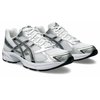
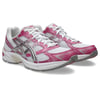
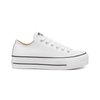
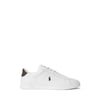
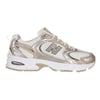
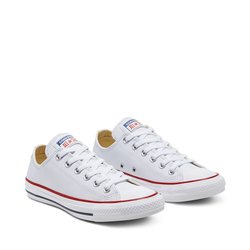
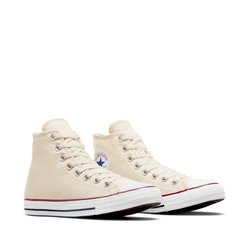
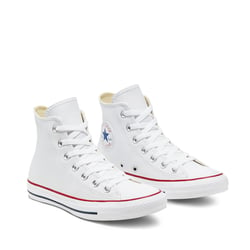
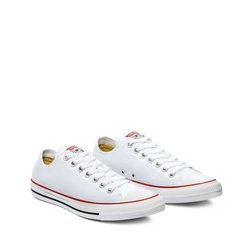
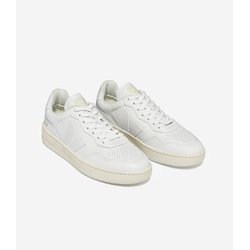
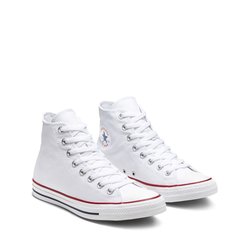
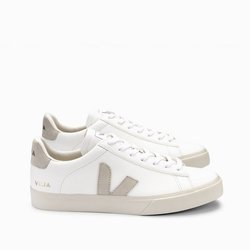
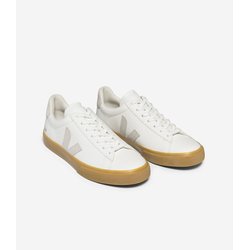
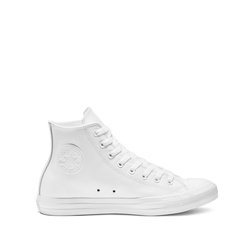
White trainers for comfortable everyday wear
White trainers earn their place by being easy to wear on the days when you have plenty to do. A low-top pair can take you from the school gate to the supermarket, then out for a walk after lunch, without needing a change of shoes. The useful details are not complicated: enough room for your toes, a heel that stays in place and an upper you can clean after a busy morning.
At La Redoute, we suggest comparing fit, materials and care requirements before narrowing down a style. That gives you a practical way to choose between two similar-looking pairs. A smooth leather trainer may suit your daily walk to the neighbourhood coffee shop, while a breathable textile option may feel more comfortable during warm-weather errands. Start with your routine, then look at the details that will help your feet feel comfortable throughout it.
Start with the white low-top silhouette
A low-top trainer finishes below the ankle, leaving room for your foot to bend as you walk. This shape works with straight-leg jeans, cropped trousers and casual skirts because the collar does not cover the ankle or bunch against a longer hem. For weekend errands around town, pair white trainers with jeans that finish just above the shoe, keeping the fabric away from wet pavements.
The sole changes how the same white upper looks and feels. A slimmer sole keeps the shoe visually neat beneath tailored trousers, while a thicker sole adds height and may offer more separation from uneven ground. Thickness alone does not guarantee cushioning, though: a firm, chunky sole can feel less forgiving than a thinner sole with a well-padded footbed.
If you are also considering black flatform trainers, compare the sole height and flexibility rather than judging only by colour. For a day involving stairs, crossings and carrying shopping bags, a secure, stable step matters more than extra height. Bend your foot naturally when trying a pair on and check that the shoe does not feel rigid across the front.
Compare fit before colour and styling details
Leave room at the front without letting the heel slip
Your toes need space to spread when you walk, especially towards the end of a day spent on your feet. Aim for a little room beyond your longest toe, while checking that your heel remains secure. A shoe that feels roomy at the front but slips at the back can rub during the walk from the car park to the shops.
Try new trainers with the socks you expect to wear most often. Thin ankle socks and thick winter socks take up different amounts of space, so switching between them can noticeably change the fit. Walk around indoors, turn a few corners and check for pressure along the little toe, across the top of the foot and around the heel.
- Check both feet: use the larger foot as your guide if one feels tighter.
- Fasten the laces properly before assessing fit, rather than testing the shoe with the opening loose.
- Make sure your toes do not press against the front when you take a longer stride.
- Look for smooth internal seams if you often experience rubbing around your toes.
- Keep indoor try-ons on a clean surface until you have checked the fit and the returns conditions.
Use size guides rather than relying on a familiar number
Men's and women's sizing can differ between brands, and two trainers marked with the same size may have different widths or toe shapes. Check the product's size guide and any available fit notes. Men with wider feet, for example, may need a broader fit rather than simply a longer shoe, which could leave the heel moving with every step.
Comparing casual shapes such as Reebok Club C with other low-top designs can help you identify the profile you like, but it does not replace checking each model's measurements. Do not rely on wearing in a painful fit: an upper may soften, but a shoe that squeezes your toes or feels too short is unlikely to become comfortable enough for daily errands.
Leather, coated uppers and textiles: compare the practical differences
Smooth leather for regular cleaning
Smooth leather is worth considering if you want white trainers that can be wiped down after everyday use. Surface dust and light pavement marks are usually easier to remove from a smooth upper than from loosely woven fabric. Leather can also soften with wear, although the lining, seams and shape still determine how the shoe feels against your foot.
Check the product details rather than assuming that every white trainer has the same construction. A leather upper may be combined with textile lining, coated panels or a different material around the heel. If you are comparing men's black leather trainers with a white pair, remember that the lighter colour will make scuffs and dirt more visible, even when the cleaning routine is similar.
Coated materials for straightforward wipe-down care
Coated synthetic uppers can be practical for school drop-offs and quick grocery shop visits because small surface marks may wipe away with a soft, damp cloth. Their feel varies: some are flexible, while others are firmer around the toe or ankle. Check the upper composition and lining, especially if your feet tend to feel warm during a brisk walk.
A lower price does not tell you whether a pair will suit your routine. Compare the fastening, footbed, sole grip and care instructions alongside the material. A modestly priced pair that fits comfortably and cleans easily may be more useful for daily errands than a more expensive design that needs careful treatment after every outing.
Textiles for lighter, warmer-weather wear
Canvas and mesh can suit dry days when you want a less enclosed feel. Mesh allows air to pass through its openings, while canvas offers a more structured fabric finish. Both can hold on to dust or absorb splashes, so they may need more drying time than a smooth coated upper after cleaning.
If a style name includes the word “lite”, check the stated weight and construction rather than assuming the name guarantees a particular feel. A lightweight shoe may still have a firm footbed, while a slightly heavier pair may feel more cushioned underfoot. For a commute involving a twenty-minute walk, compare both weight and support.
Choose everyday comfort for the way you move
Everyday trainers and running shoes have different jobs. A casual low-top can work well for walking between appointments or standing at the school gate, but it should not automatically replace footwear designed for regular running or a particular sport. Repeated training puts different demands on cushioning, support and grip.
For daily walking, look closely at the footbed and outsole. Padding should feel comfortable without allowing your foot to slide around, and the sole should flex where your foot bends. An outsole with a usable tread pattern is worth checking if your route includes smooth station floors or damp paving, although no shoe can guarantee grip on every surface.
Test comfort while moving, not just while standing. Take several steps, pause as you would in a queue, then walk again. This can reveal a heel edge that rubs or a tongue that presses against the top of your foot. If you use prescribed insoles, check whether the trainer has a removable footbed and enough internal depth to accommodate them.
Keep white trainers clean with a manageable routine
White trainers stay crisp for the walk to your neighbourhood coffee shop when you deal with small marks before they build up. You do not need to scrub them after every outing. A quick inspection near the door, followed by a gentle wipe where needed, helps keep dirt from settling around seams and the edge of the sole.
- Remove loose, dry dirt with a soft brush before applying any moisture.
- Use a soft cloth and a cleaner suitable for the upper material, following the manufacturer's instructions.
- Clean the sole edge separately so you do not spread dirty residue over the white upper.
- Remove laces for separate cleaning when permitted by the care guidance.
- Let shoes dry naturally in a ventilated place, away from radiators and direct heat.
Check the care label before machine washing. Heat, soaking and agitation can affect adhesives, finishes and the shape of a trainer. Even if fabric panels look washable, other parts of the shoe may not tolerate the same treatment. Test cleaning products on a small, discreet area first, and avoid combining different cleaners.
For winter wear, wipe away road salt and muddy splashes promptly using the method recommended for the material. White trainers are not necessarily waterproof, so choose another pair when heavy rain or deep puddles are likely. Letting a damp pair dry fully before wearing it again also helps you avoid starting the next morning with wet lining.
Build simple outfits around your daily plans
For weekend errands, straight-leg jeans, a cotton top and white low-top trainers give you an outfit that allows easy movement while carrying bags or getting in and out of the car. On a casual working day, try them with ankle-length trousers and a knitted layer. Keep trouser hems clear of the ground so they do not drag across the shoe or collect pavement dirt.
A white pair also gives you a lighter-coloured option alongside men's brown leather trainers in a weekly footwear rotation. Choose according to the weather and the clothes you are wearing, rather than treating one colour as suitable for every day. If you are also shopping for women's boots in a size 6, check boot and trainer fit separately: lining thickness, socks and internal shape can all change the size you need.
Make a useful comparison before you shop
When you shop, compare products against the same short checklist: fit, upper material, sole flexibility, cleaning instructions and price. This makes it easier to spot meaningful differences between pairs that look almost identical in photographs. Close-up images can help you examine seams and sole texture, while composition details explain which cleaning methods are appropriate.
To save time, decide whether your priority is a wipe-clean surface for school runs, a breathable upper for dry summer walks or enough room for your usual insoles. Then narrow your selection accordingly. The most useful white trainers are the ones that fit your actual week: comfortable for your regular walking distance, easy enough to care for and ready to wear with the clothes you already reach for.