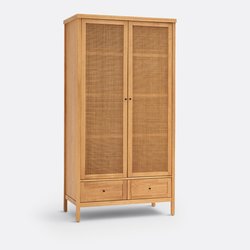
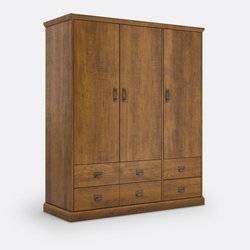
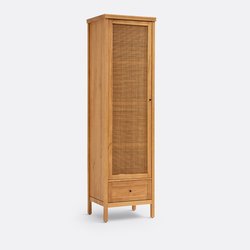
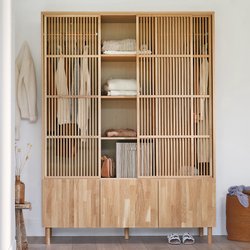
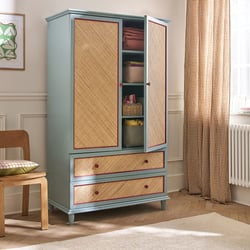
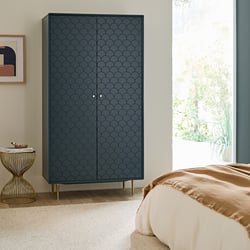
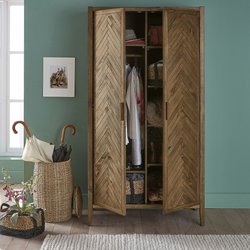
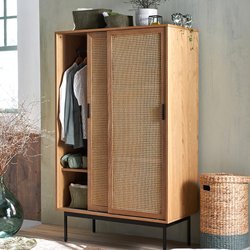
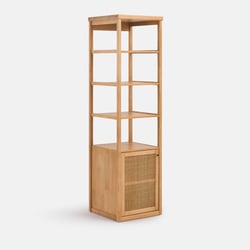
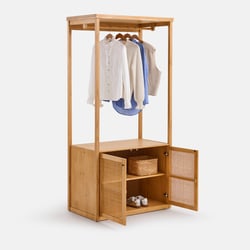
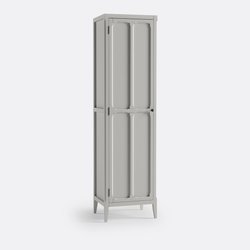
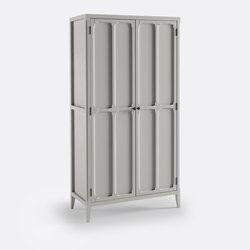
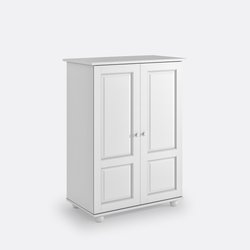
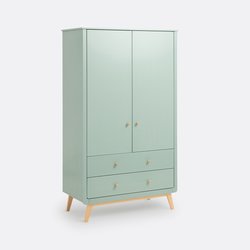
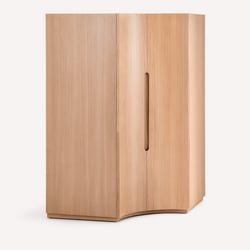
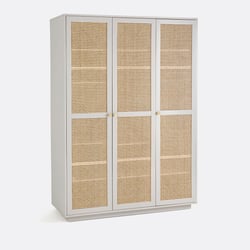
Start with the depth, then the rest becomes easier
When you are choosing a one door wardrobe, the first question is not colour, finish or even style. It is how much depth you can spare. In a compact bedroom, a wardrobe that is too deep can narrow the walkway, catch the edge of the bed or block a window area. A wardrobe that is too shallow can leave you struggling to hang shirts properly or fold spare bedding without crushing it. If you begin with dimensions and room fit, you give yourself a much better chance of buying storage that works every day.
The appeal of a single format is clear. A one door wardrobe gives you enclosed storage without taking over the room. It suits alcoves, box rooms, guest spaces, children’s rooms and even awkward corners where larger wardrobes would feel bulky. If you need to store daily shirts and trousers behind one bedroom door, or keep scarves and belts organised inside the narrow wardrobe, this format can be a smart answer. The key is to match the wardrobe to the way your bedroom actually functions, not just the empty wall on paper.
Why size matters more than style at the start
It is easy to get drawn to a lovely white wardrobe, a warm oak effect or a classic pine finish. Yet before you compare colours, look at three measurements: width, depth and height. A one door wardrobe often works because it reduces width, but depth is what affects movement around the room. In a narrow bedroom, even a difference of 5 to 10 cm can change whether you can open the door comfortably or walk around the bed without turning sideways.
Measure from the wall outwards and then test the space in real life. Put a chair, box or suitcase in the same depth as the wardrobe you are considering. Leave it there for a day or two. This simple check shows whether the room still feels easy to use when the wardrobe is in place. Practical fit beats guesswork every time, especially in a smaller bedroom where every centimetre matters.
Think about the swing of the wardrobe door too. Hinged doors need clear space in front. If your bed sits close to the wardrobe area, make sure the door can open wide enough for you to reach the rail and shelves properly. If access is tight, you may start looking at a 2 door wardrobe with a different internal layout or even a sliding option in another part of the room, but for many homes a single wardrobe remains the neatest answer where wall width is limited.
How a single-door format fits into compact rooms
A single wardrobe is often chosen for a room that cannot take full-width storage. That could be a child’s bedroom with a desk, a spare room that also needs a chest of drawers, or a main bedroom with a chimney breast creating uneven wall sections. In these situations, a one door wardrobe can slot into a narrow gap and still provide useful hanging and shelf storage.
For example, if you want to hide spare linens neatly in the single-door wardrobe, you can use the lower section for folded duvet covers, pillowcases and towels while keeping the upper rail free for lighter clothing. If your need is everyday dressing rather than bulk storage, a slim wardrobe can hold work shirts, trousers and a few jackets in one tidy place. The format suits selective storage rather than the whole household wardrobe, which is exactly why it works so well in tighter homes.
Height also helps. A tall one door wardrobe can offer more vertical storage without increasing floor area. This is useful if the bedroom footprint is small but the ceiling is standard or above average. You can use upper shelves for less-used items and keep the lower half for things you reach every morning.
Check the internal layout before you buy
Once you know the outer dimensions fit the room, move on to storage capacity. A one door wardrobe can be arranged in different ways: a full hanging section with one rail, a half-hanging section with shelves, or a mix of rail and drawers. The best layout depends on what you need to store day to day.
- If you mainly hang shirts, blouses and trousers, choose a wardrobe with a usable rail width that avoids overcrowding.
- If you need room for accessories, look for shelves or a small drawer for belts, scarves or folded knitwear.
- If spare linens are part of the plan, check shelf depth and whether the base can take neat stacks without spilling forward.
- If you already own a chest, you may not need built-in drawers and can focus on hanging space instead.
Do not assume all wardrobes of similar width hold the same amount. Internal side panels, thick framing and fixed shelves can reduce the useful width. A narrow model may still work very well if your clothes are edited down to essentials, but it helps to picture the actual contents. Count how many shirts, pairs of trousers, cardigans or sets of bedding you want inside. That gives you a more honest view of capacity than product photos alone.
Choosing depth for hanging clothes, folded items and accessories
Depth affects more than room flow. It also changes what you can place inside the wardrobe comfortably. Hangers need enough front-to-back room so sleeves do not bunch against the door. Folded knitwear and linens need shelf depth that keeps stacks stable. Accessories such as scarves and belts are easier to manage when the inside is not so cramped that everything catches on the hinges.
If you plan to store daily shirts and trousers behind one bedroom door, a standard hanging depth is usually more practical than an ultra-slim model. If your wardrobe will mainly take folded items, a slightly shallower design may be enough. For mixed use, look for balance: enough depth for hanging, but not so much that the wardrobe dominates the room.
Always compare external depth with internal depth. The outside measurement includes the back panel and the thickness of the door, so the true storage space is less. This matters when you are deciding between two compact wardrobes at a similar price. A wardrobe that is only a little deeper on the outside may feel much more useful inside.
Materials, finish and how they affect the look of a small bedroom
Once the practical side is clear, you can think about finish. In a compact bedroom, lighter colours often help the wardrobe sit quietly in the room. A white or light wood look can feel less heavy than a dark block of furniture, especially if the wardrobe stands close to the bed. That is one reason many shoppers compare a white wardrobe with drawers or a pale timber effect when planning a smaller space.
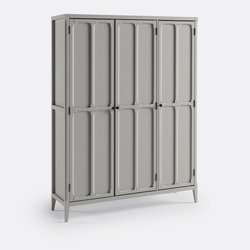
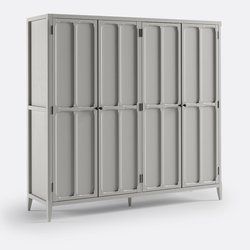
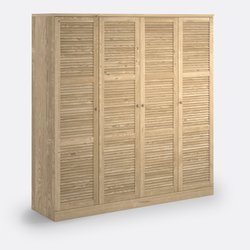
If you like a natural look, a solid pine wardrobe can bring warmth without feeling formal. If your room already has light flooring or neutral bedding, pine and oak tones can blend in smoothly. If you prefer something crisp and bright, white remains an easy choice. Grey can work well too, particularly in modern bedrooms where you want a softer contrast than black.
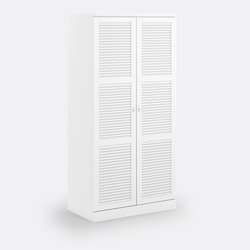
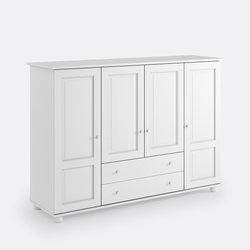
At La Redoute, the Jimi Double Wardrobe, white, LA REDOUTE INTERIEURS, embraces the Scandinavian trend with its mix of white and light wood, which is useful to keep in mind if you are comparing a one door wardrobe with a wider alternative for another room. It shows how a white finish combined with light timber can keep storage looking airy rather than bulky.
You may also find yourself comparing one narrow wardrobe with broader pine wardrobes when planning a full bedroom scheme. If floor space is limited, the single model often makes more sense than trying to squeeze in a larger piece that interrupts movement.
When a one door wardrobe is the best choice
A one door wardrobe is often the best option when you need targeted storage rather than a complete clothing system. It works well if:
- you have a small bedroom and need to preserve walking space
- you want a second wardrobe for seasonal overflow
- you are furnishing a guest room with room for bedding and a few hangers
- you need enclosed storage near a bed, desk or chest without crowding the wall
For example, in a child’s bedroom, a single wardrobe can hold school clothes on the rail, sportswear on a shelf and a small box for belts or winter scarves. In a guest room, it can hide spare linens neatly in the single-door wardrobe while still leaving hanging space for visitors. In a main bedroom, it can act as a neat add-on beside a chest of drawers if your everyday clothing selection is fairly streamlined.
The best model is the one that suits your routine. If you need to hang long coats, one door may be too limited. If most of your clothing is folded and you only hang a few pieces, it can be exactly right.
What to check before comparing price
Price matters, but value comes from usefulness. Before you choose the cheapest new wardrobe, check what is included. Does it have shelves, a rail, or a drawer? Are the doors easy to open in a tight room? Is the height making good use of vertical space? A low price can be less appealing if you then need extra boxes, hanging organisers or another unit to make the storage workable.
It also helps to think about the rest of your furniture. If you already own bedside tables and drawers, a simple hanging wardrobe may be enough. If you have very little hidden storage elsewhere, a model with shelves or drawers can save space overall by reducing the need for another cabinet. Whether you choose white, grey, pine or oak effect, the practical details should lead the decision.
Some shoppers consider sliding wardrobes in compact rooms, but with a one door wardrobe the hinged format is more common. That means the clearance in front is part of the planning. Measure the route from the bed, check the opening angle and think about morning use: can you stand in front of the wardrobe, pull out a hanger and close the door without shuffling sideways? If yes, the fit is likely to feel comfortable every day.
What you need to know before buying
How deep should a one door wardrobe be?
The right depth for a one door wardrobe depends on what you want to store and how much room you have to move around it. For most people, the safest approach is to choose a depth that comfortably allows hanging clothes on standard hangers while still leaving clear walking space in the bedroom. If the wardrobe is too shallow, shirt sleeves can press against the door and trousers may sit awkwardly. If it is too deep, the room can feel blocked, especially if the bed is nearby or the wardrobe sits behind the main bedroom door.
A practical way to decide is to start with your room, not the wardrobe. Measure the wall where the unit will stand, then measure the gap between that wall and the bed, chest or opposite wall. After that, allow for the wardrobe door to open. This tells you the maximum depth that still leaves the room usable. Then compare that figure with what you plan to store. Daily shirts, jackets and trousers usually need more depth than folded linens or accessories.
- For mainly hanging storage, choose a depth that lets hangers sit naturally without twisting.
- For folded bedding and knitwear, shelf access matters as much as depth.
- For accessories, look for hooks, shelf dividers or a small drawer so the narrow space stays tidy.
A common mistake is checking only the external measurement. Internal depth is what affects whether hangers fit properly. Another pitfall is ignoring the room door or bedside clearance. For instance, if you want to keep scarves and belts organised inside the narrow wardrobe and also store daily shirts and trousers behind one bedroom door, a medium-depth model with one rail and a top shelf is often more useful than an ultra-slim design with cramped hanging space. If your main goal is to hide spare linens neatly in the single-door wardrobe, you may be able to choose a shallower option, provided the shelves are easy to reach and the folded stacks stay stable. In short, the right depth is the one that supports your storage routine without making the bedroom harder to use.