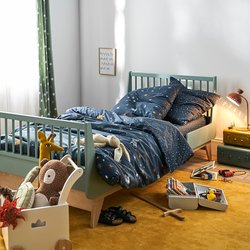
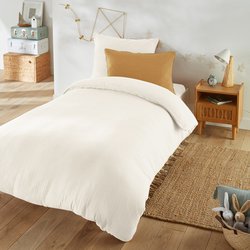
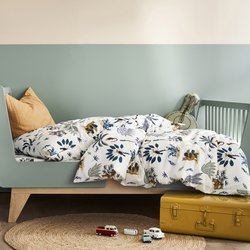
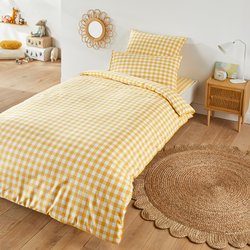
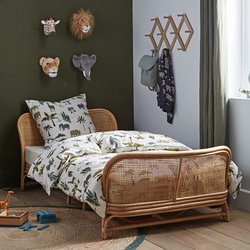
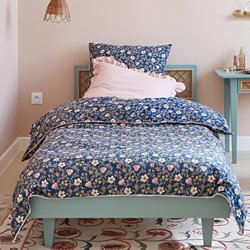
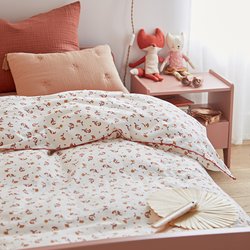
Choose the right single bed for your daughter
Finding the right single bed for a girl’s bedroom starts with one practical question: will it fit her room and suit her daily routine? For many families, this is not just about style. It is about making sure the bed dimensions work with the mattress you already have, leave enough floor space for play, and support your child as she grows from toddler to school age and beyond. If you are transitioning a growing daughter from cot to her first bed, the size and height of the bed can make bedtime easier from the very first day.
A well-chosen bed helps with more than sleep. It can become the spot for reading bedtime stories in a princess-style girls single bed, a place to sit while getting dressed for school, or an extra sleep space when cousins stay over. In a smaller home, one carefully selected frame can also help you gain useful storage underneath, which matters when toys, books and spare bedding all need a place.
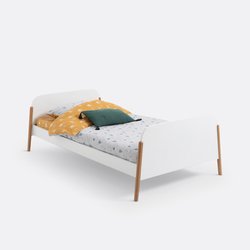
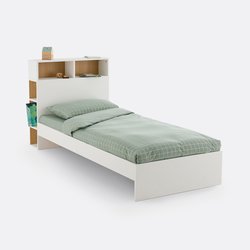
At La Redoute, our selection includes designs that balance room fit and everyday function. According to our catalogue, the Arch Child's Mid-Height Platform Bed in off-white by LA REDOUTE INTERIEURS combines a graphic and refined design with straight and rounded lines, bringing together a bed and a cabin-inspired space that feels both playful and practical for daily use.
What size should a girls single bed be?
When you compare girls single beds, dimensions should come first. A standard single size is often the easiest option because it gives your child enough room to sleep comfortably without taking over the bedroom. Before you add any item to your basket, measure the room carefully, including the space needed to walk around the bed, open doors, and reach wardrobes or drawers.
For everyday comfort, think beyond the mattress size alone. The overall footprint of the product includes the outer edges of the frame, and decorative headboards can make a bed longer or wider than expected. This matters in a compact room where every centimetre counts. A white bed with a curved headboard may look light and airy, but if it blocks a radiator or sits too close to a desk, daily use becomes awkward.
- Measure the mattress area to check fit with your existing mattress.
- Measure the full frame width and length, not just the sleeping surface.
- Leave enough room for your child to get in and out easily each day.
- Check under-bed clearance if you want storage boxes.
- Allow extra space for bedside tables, reading lamps or a chest of drawers.
If your daughter shares a pastel-themed bedroom with a sister or often has friends over for sleepovers, the size decision becomes even more practical. Two single beds can work beautifully in a shared room, but only if there is enough space between them for movement. In this context, a slimmer frame or a bed with built-in storage can make the room feel less crowded while still keeping it comfortable for both girls.
How do you match the bed with the right mattress?
Mattress fit is one of the biggest factors in purchase confidence. Even a lovely bed can become frustrating if the mattress slides, sits too low within the frame, or leaves gaps at the sides. When you shop, check the listed dimensions of the product and compare them with the mattress measurements you plan to use. A proper fit helps with comfort, safety and the overall appearance of the bed.
If you are buying a child’s first proper single bed after a cot, mattress height also matters. A mattress that sits too high can make a younger child feel less secure when climbing in and out. A mattress that sits too low may make story time less comfortable for you, especially if you sit on the edge while reading. For parents who spend part of each evening reading bedtime stories in a princess-style girls single bed, the right mattress depth makes a real difference to support and ease.
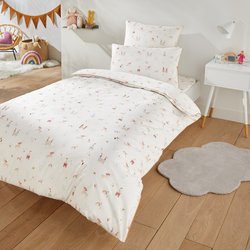
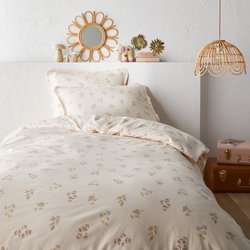
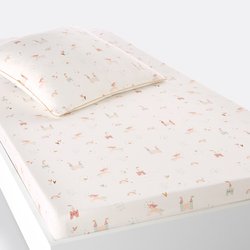
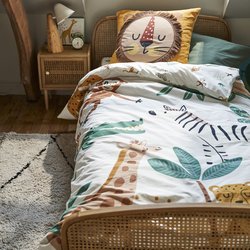
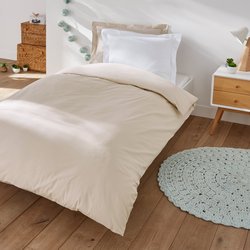
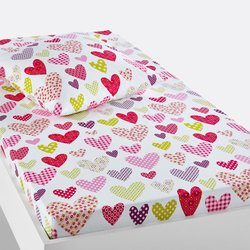
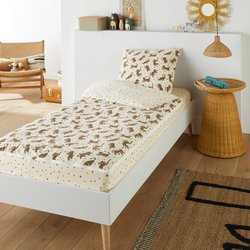
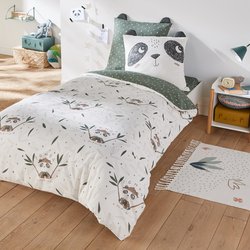
It also helps to think about bedding compatibility. Standard-sized beds are usually easier to dress with single duvet covers and co-ordinating pillowcases. If you enjoy switching the room style through the seasons, you can move between playful prints and calmer colours without struggling to find the right fit. For example, you might choose girls bedding sets for school term and swap to kids animal bedding during holidays, depending on what your child enjoys at the time.
Which bed frame works best for everyday use?
Everyday durability matters because children do more than sleep on their beds. They climb, bounce, read, chat with friends, and build blanket dens. A sturdy frame supports all of that regular use more reliably than a lighter design chosen on looks alone. When checking a bed, look at the slats, side rails and overall structure. If your daughter likes to sit upright with books or cuddly toys around her, a supportive headboard is often more useful than a purely decorative one.
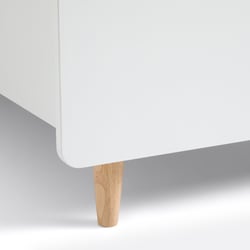
Material choice can affect both use and upkeep. A painted white frame is a popular option because it works with changing colour schemes as your child grows. White beds also brighten smaller bedrooms and pair easily with pink, lilac, floral or character themes. If your daughter currently loves girls unicorn bedding, a white frame gives you flexibility later if her taste changes to stripes, stars or more grown-up prints.
For practical family life, the best bed is often the one that handles everyday knocks without fuss. In a busy bedroom, surfaces will meet toy baskets, school bags and hardback books. A simple finish can be easier to wipe down, and a design with fewer deep grooves can collect less dust. If you want the room to stay functional through busy school weeks, choose a frame that is straightforward to clean and easy to dress with fresh bedding on laundry day.
Do you need built-in storage?
Storage can change how useful a bed feels over time. In a child’s room, under-bed space can hold spare blankets, out-of-season clothes, extra pillows or toys that are not used every day. This is especially handy in smaller homes where wardrobes are already full. Instead of adding another bulky unit, you can use the space beneath the bed to keep the room tidier and make morning routines quicker.
Think about what you would actually store there. If it is extra bedding for guests, make sure the under-bed height fits practical boxes or drawers. If your daughter likes frequent room refreshes, storage under the bed can hold alternate sets such as girls bedding sets, kids animal bedding or a brighter weekend option. In a shared room set up for sleepovers, it can also be useful for keeping a spare duvet and pillow ready for friends.
Some families also compare a standard single with a slightly raised or mid-height bed to create more usable space below. This can work well if your child is old enough to climb in confidently and if the room layout suits it. The benefit is simple: the bed takes up one footprint, while the area below supports storage, a reading corner or a tucked-away play zone.
How can you plan for a growing child?
A new bed often marks a change in routine. For a toddler leaving the cot behind, the first single bed should feel welcoming and easy to use. Lower bed heights can help a younger child get in and out independently, while side rails may offer extra reassurance during the first few weeks. If the room is already arranged around bedtime rituals, keep the bed near a familiar lamp, favourite books and soft toys to make the transition smoother.
As your daughter gets older, her needs shift. She may want more room for reading, chatting with friends, or stretching out comfortably after a long school day. Choosing a standard single size rather than a more compact junior option can mean fewer changes later. The practical consequence is clear: you buy once for longer use, rather than replacing the bed after only a short period.
Style flexibility also helps. A neutral frame can move easily with changing décor, from fairy-tale themes to more grown-up bedding choices. One year she may ask for girls unicorn bedding, and later she may prefer geometric prints or soft florals. A simple bed gives you room to refresh the look through textiles rather than replacing the whole item.
What should you check before buying online?
When shopping online, confidence often comes from checking the details that affect daily use. Start with dimensions, mattress compatibility and delivery information. If you need the bed quickly for a room update before the new school term, estimated delivery times matter just as much as style. It also helps to check whether the item is available now or due back in stock later.
Price matters too, but it is most useful when you compare like for like. A lower price may look appealing at first, yet a sturdier product with better storage or a more practical frame can offer better value over regular use. If you are shopping during a sale, read the measurements and features with the same care you would on a full-price day. A rushed purchase can leave you with a bed that does not fit the mattress, blocks a wardrobe door or leaves too little floor space for play.
Keep an eye on bedding needs at the same time. If your child is moving from a smaller bed to a standard single, you may need new single duvet covers as well. In some homes, parents also choose a girls double duvet set for a guest room or for future use, but for a standard child’s single bed, checking the correct bedding size now avoids confusion later. Many families find it useful to add bedding to the same order so the bed is ready to use as soon as it arrives.
Easy care tips for girls single beds
Daily life in a child’s bedroom can be messy, so easy care should not be overlooked. A bed that looks lovely but is difficult to wipe down or awkward to change can become hard work very quickly. Practical care starts with the frame finish, the space around the bed and the type of bedding you use.
- Wipe the frame regularly with a soft cloth to clear dust from rails and headboards.
- Rotate the mattress if recommended, especially during the first months of use.
- Use washable bedding that can cope with regular laundry cycles.
- Check fixings from time to time if the bed gets lively everyday use.
- Store spare linens underneath so quick changes are easier after spills or accidents.
If your daughter enjoys bedtime reading, keep a small basket nearby for books rather than stacking them on the bed. In a room used for sleepovers, store the extra set separately so it stays fresh and easy to reach. These small habits help the bed stay comfortable and tidy without adding much effort to your week.
Choosing a bed that fits your room and your routine
The best girls single beds are the ones that suit real family life. That means the right size for the room, a mattress that fits properly, a frame that stands up to regular use, and storage that makes the bedroom easier to manage. Whether you are preparing for the move from cot to first bed, planning a shared pastel-themed room for sisters and friends, or creating a cosy corner for bedtime stories, practical details will guide you to the right choice.
When you compare each bed, focus on how it will work on an ordinary day: getting dressed in the morning, reading before sleep, making the bed, hosting a friend, and keeping the room organised. If a product supports those moments well, it is far more likely to feel right long after the excitement of a new purchase has passed. At La Redoute, we know that choosing beds for girls is about comfort, fit and everyday confidence in your home.