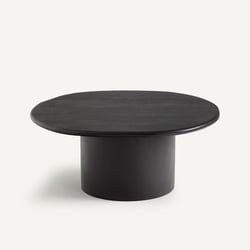
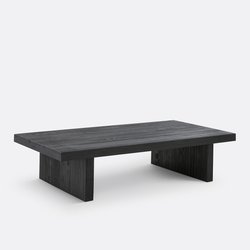
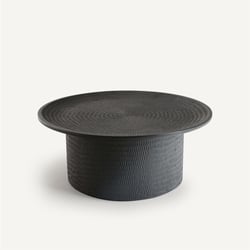
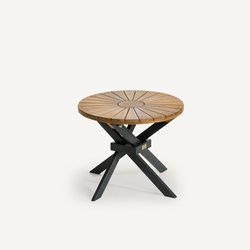
Choose the right coffee table for your living room
A black wood coffee table can do far more than fill the space between your sofa and television. It supports the rhythm of everyday life: a mug of coffee in the morning, a stack of magazines within reach, snacks set out for a film, or remote controls and candles kept neatly in one place. If you want a piece that looks smart and works hard, the right choice comes down to three essentials: dimensions, material, and how you use it every day.
In a busy living room, a black wooden table often works because it gives structure to the space without asking for constant attention. The darker finish can frame a sofa, define a seating area and hide small marks better than a pale surface. Whether you prefer a round shape for easier movement or a rectangular design for a longer sofa, the best option is the one that fits your room and your routine.
Why a black wood coffee table works so well
Black and wood make a practical combination. You get the warmth and texture of timber, with a finish that feels modern and grounded. In a family home, that matters. A black wood finish can sit comfortably with pale rugs, neutral upholstery, metal lighting and patterned cushions without making the room feel overdone.
It is also useful for daily life. A black wood coffee table can hold morning coffee and magazines beside the living room sofa, then later display remote controls and candles on a black wood surface when you want the room to look tidier before guests arrive. If you enjoy relaxed evenings in, it can also anchor a modern lounge while serving snacks during movie nights.
When you compare materials, wood usually feels warmer than glass and less formal than stone. If you have looked at a marble top before, you may like the statement look, but black wood is often easier to live with on an ordinary day. Fingerprints are usually less obvious than on glossy finishes, and the surface tends to feel less cold when you rest your hand or place a tray down.
Start with the right size
The first buying rule is simple: your table should fit your seating area, not just the empty floor. A coffee table that is too large can make the room awkward to walk through. One that is too small may look lost and leave you balancing drinks on the sofa arm.
As a guide, many people choose a table around two-thirds the length of the sofa. That proportion usually looks balanced and gives enough surface area for everyday use. Height matters too. A low table should sit close to the height of your sofa seat, or a little lower. This makes it easier to reach for a drink, place a book down or serve a tray without stretching.
- Leave enough space between the sofa and the table so you can sit down comfortably.
- Keep a clear walkway around the table, especially in smaller rooms or open-plan spaces.
- Choose a larger top if you regularly eat in front of the television or need room for several items at once.
- Choose a smaller or rounder design if children run through the room or if the seating area is compact.
For example, in a narrow room with a two-seater sofa, a round black wood table can soften the layout and make movement easier. In a wider room with a corner sofa, a rectangular table often gives better reach from both sides. If you want extra storage, some tables include a shelf underneath for books, baskets or chargers, which helps keep the top clear.
Round or rectangular: which shape suits your space?
Shape changes how a table behaves in the room. A round coffee table is often a good option if your seating arrangement is compact or if you want softer lines around a boxy sofa. Because there are no corners, it can feel easier to move around in a smaller area. This can be especially helpful if your coffee table sits close to a rug edge or near a main walkway.
A rectangular table tends to suit longer sofas and larger seating zones. It gives you more usable surface for trays, books, candles and drinks spread across the top. If your household uses the coffee table every day, this extra length can make a real difference. You are less likely to stack everything into one corner, and more likely to keep the surface organised.
There is no single best shape for every home. Think about where people sit, how often you carry food into the room, and whether the table will mainly hold decorative items or support regular use. If your sofa is the place where you answer emails, share snacks and unwind at the end of the day, a larger top may be worth it.
Material matters: what to look for in a durable tabletop
If you are shopping for a black wood coffee table, look beyond the colour and focus on the structure. A durable tabletop should cope with hot mugs, books, TV remotes and the occasional bump from a tray or toy. Some tables use veneers over engineered boards, while others are made from solid timber. Both can work well, but the finish and build quality matter.
If you want a substantial feel, a solid wood coffee table can bring reassuring weight and texture. At La Redoute, the Oreus Coffee Table in Solid Acacia, Height 38.5cm, black, AM.PM is a strong example of a black wood finish with everyday appeal, and the Oreus Coffee Table is made from solid acacia. This kind of detail helps when you want a piece that feels robust rather than temporary.
Different woods also create different looks. A pine coffee table may offer a lighter grain beneath a dark stain, while a mango coffee table can show richer variation in the wood pattern. If you are comparing ranges, you may also come across curated collections such as coffee tables otto studio for am.pm or relaxed family options from coffee tables so'home. The key is to match the finish and structure to the way you actually use your room.
Check practical details before you buy:
- Is the top smooth and easy to wipe after drinks or snacks?
- Does the finish look matte, satin or glossy, and will that suit daily use?
- Are the legs sturdy enough for regular movement and cleaning around them?
- Is there a shelf, drawer or hidden storage if clutter builds up quickly in your room?
How a black wooden table fits into everyday life
The best buying decisions usually come from daily habits, not showroom styling. Think about what lands on your coffee table from morning to evening. If you start the day with a mug and the post, you need enough room to set things down without covering the whole surface. If the table becomes snack central at weekends, you need a top that can handle bowls, plates and spilled crumbs without stress.
A black wooden coffee table can be especially useful in homes where the living room is used all day. In the morning, it holds coffee and breakfast reading beside the sofa. During the afternoon, it may collect school letters, a laptop or a board game. In the evening, it can display remote controls and candles in a way that feels ordered rather than messy. These are small details, but they affect how your room works.
If your seating area is used by several people, think about reach. A single small table may not be enough for a large corner sofa. In that case, you might prefer nesting tables or a wider rectangular design. If you often host friends, a black wood top can also make serving easier because trays and dishes stand out clearly against the darker surface.
Care and upkeep: keeping the finish looking good
One of the advantages of a black wood finish is that it often looks smart with very little effort. For routine care, a soft cloth and gentle cleaner are usually enough. Dust can show on dark surfaces, so a quick wipe every few days helps the table keep its crisp look. If you use the table heavily, coasters and trays are still worth having, especially for hot drinks and oily snacks.
Avoid dragging heavy objects across the top, as this can mark the finish over time. If you like styling your table with candles, books or decorative bowls, lift them rather than slide them when cleaning. In a busy family room, this simple habit can help you save the surface from fine scratches.
It is also worth checking the base now and then. Tightening screws or fittings can keep the table steady, especially if it gets moved for vacuuming or if children lean on it. A durable tabletop matters, but stable legs matter just as much when you use the table every day.
Buying basics: what to check before you click
Before you click to buy, measure your room properly. Do not rely on guesswork. Mark out the table size on the floor with paper or masking tape and walk around it. This shows you whether the shape blocks movement, crowds the rug or leaves too little space in front of the sofa.
Then compare the practical details:
- Height in relation to your sofa seat
- Length and width in relation to the seating area
- Surface finish and cleaning needs
- Storage options, if clutter is an issue
- Price, delivery times and whether free delivery is available on selected items
It also helps to read a customer review or two, especially if you want to know how the finish looks in a real home rather than under studio lighting. Look for comments about assembly, stability and whether the black tone is deep charcoal, soft black or closer to brown-black. These small differences can affect how the table sits with your existing furniture.
If you are furnishing on a budget, compare one table with another on more than price alone. A lower initial cost may not feel like a good deal if the top marks easily or the size does not suit your room. A well-chosen piece can save you from replacing it later, which is often the more practical route.
What you need to know before buying
What is the rule for a coffee table?
The basic rule for a coffee table is that it should fit the sofa and allow easy movement around the seating area. In most rooms, the table should be about two-thirds the length of the sofa and close to the same height as the seat cushions, or slightly lower. This keeps it comfortable to use. If the table is much higher, it can feel awkward when you reach for a drink. If it is too low, everyday tasks such as putting down a mug, a book or a bowl of snacks become less convenient.
Spacing is just as important as size. You should leave enough room between the sofa and the table to sit down and stretch your legs naturally, while still being able to reach the surface without leaning too far. Around the outside, keep a clear path so people can move through the room easily. This matters in real life: if your table blocks the route to the window, or catches knees every time someone walks past, the proportions are wrong no matter how good it looks.
A useful checklist is:
- Choose a length that suits the sofa rather than the empty floor.
- Keep the height level with or just below the seat.
- Leave practical space around it for walking and cleaning.
- Match the shape to the room: round for tighter layouts, rectangular for longer sofas.
A common mistake is buying a table for appearance alone. For example, a large black wooden table may look striking online, but if your room is narrow, it can make the seating area hard to use on an ordinary day. The better rule is simple: buy for reach, movement and routine first, then choose the finish you like best.