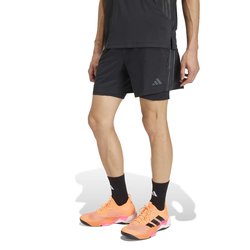
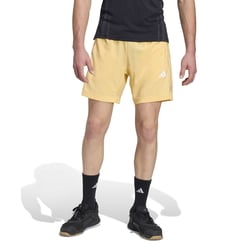
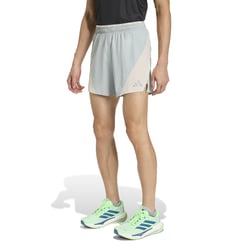
Move Freely Through Hard Sessions
When your session moves from treadmill intervals to squats, your shorts need to keep up without pinching, clinging or sliding down. Comfort comes down to a few practical details: enough room through the thighs, a waistband that stays put and fabric that handles sweat without feeling heavy. Get those right, and you can concentrate on your next repetition rather than adjusting your kit between sets.
At La Redoute, we recommend choosing gym shorts around the movements you do most often, whether you run, lift weights or join a circuit class. This guide covers fit, fabric, freedom of movement and care, with simple checks to try before your next workout. If you mix different types of training, these checks will tell you more than appearance alone.
Start with a Fit That Supports Your Workout
Leave room where your body needs to move
A good fit should feel secure at the waist without restricting your hips or thighs. Stand comfortably, then sit down and bend your knees. If the waistband digs in when you sit or the fabric pulls tightly across your upper legs, try a different size or cut. Shorts that feel comfortable while standing can feel quite different at the bottom of a squat.
A slim cut can suit treadmill sessions if the fabric stretches and the leg openings do not grip. For strength training, you may prefer a little more space through the seat and thighs, particularly for deep squats and wide-stance exercises. Check the fit in a squat, not just in front of a mirror. You should be able to lower yourself without the waistband pulling sharply down at the back.
Choose length by movement, not habit
The inseam is the measurement from the crotch seam to the hem. A 5-inch inseam usually leaves more of your thighs uncovered, while a 7-inch option offers extra coverage without necessarily reaching the knee. A 9-inch style provides more coverage again, although the hem may catch around your knees during deep bends, depending on your height and proportions.
A shorter length can work well for running because there is less material moving around your legs. Longer styles may feel more comfortable for basketball or floor exercises. Rather than assuming one measurement suits everyone, compare it with shorts you already enjoy wearing. Measure their inseam and consider whether you would prefer more freedom or coverage.
Choose Fabric for Heat, Sweat and Repeated Movement
Breathability matters when the pace increases
During hard intervals, fabric that allows air to circulate can help reduce that hot, enclosed feeling around your legs. Look for lightweight weaves and mesh panels, especially at the sides or back where heat can build up. Check that mesh areas still provide the coverage you want when you bend or stretch.
Breathable gym shorts are a good choice for morning treadmill intervals, particularly when your session alternates quick efforts with slower recovery periods. As you warm up, lighter fabric is less likely to feel bulky against your thighs. If you tend to sweat heavily, consider how the material feels when damp as well as dry: some fabrics become clingy even if they feel soft at first.
Understand stretch and drying performance
Polyester and polyamide are common in training clothing because they generally dry faster than cotton. Added elastane helps fabric stretch during lunges and return towards its original shape afterwards. Fibre content is only part of the picture, though: fabric thickness, construction and any lining also affect how warm or heavy shorts feel during exercise.
Look for stretch in the direction your workout demands. Forward lunges need room through the hips, while lateral lunges also pull fabric across the thighs. Quick-drying fabric is useful if you train before work or pack your kit for a weekend away, but always follow the care label. Not every performance fabric can handle the same washing and drying temperatures.
Make Freedom of Movement Your Fitting Test
For comfortable squats, lunges and stretches in lightweight gym shorts, check both the cut and the fabric. Stretch alone cannot make up for an overly tight waistband or narrow leg opening. Equally, a roomy cut may still restrict movement if the material has little give and the seams pull across your hips.
Before committing to a new pair, try a short sequence of movements indoors, keeping any return conditions in mind. You may notice problems that are easy to miss when standing still.
- Perform five controlled squats and check whether the hem catches above your knees.
- Step into a forward lunge on each leg and notice any pulling through the seat.
- Try a lateral lunge to check room across the inner thighs.
- Raise each knee towards your chest to check that your hips can move freely.
- Sit on a bench and lean forwards to check waistband pressure.
Side splits can give your legs extra space during longer strides, while a shaped panel through the crotch can reduce tension at the seams. These details are particularly useful when a session combines rowing, box step-ups and floor work. Your shorts should stay comfortable throughout each movement, not just at the starting position.
Check Waistbands, Linings and Pockets
Keep the waist secure without over-tightening
An elasticated waistband with an adjustable drawcord lets you fine-tune the fit for different sessions. Tighten it enough to prevent slipping, then take a deep breath and bend forwards. If you have to pull the cord very tightly to hold the shorts up, the size or waistband shape may not suit you.
Check where the knot sits, especially if you lie face down for exercises or wear a lifting belt. A bulky knot at the front can press into your stomach during bent-over movements. If the drawcord is internal, make sure you can adjust it easily without twisting the waistband.
Match the lining and storage to your routine
A built-in brief or close-fitting inner short can provide coverage and reduce movement beneath the outer layer. However, an uncomfortable liner seam can rub during repeated strides, so check the leg openings and inner-thigh seams carefully. Unlined shorts give you more control over the underwear you wear beneath them, which can help if you already have a combination that works for longer sessions.
Test pockets while moving, too. A phone that sits comfortably while walking may bounce against your thigh when you run. Keep small essentials in a secure pocket and check that they stay put as you move. For barbell work, remove keys or other hard objects that could press into your body or interfere with equipment.
Match Your Shorts to the Session Ahead
For strength training, prioritise room through the hips, reliable coverage and seams that do not pull during deep bends. If you regularly move between a squat rack and a bench, check that the waistband stays comfortable in both standing and seated positions. Fabric that feels smooth against the skin can also help during repeated contact with a bench.
For running and circuit sessions, lighter fabric and secure storage are especially useful. Too much loose material can flap during faster efforts, while a restrictive cut can shorten your stride. Try a few high-knee steps and gentle hops to see whether the waistband or pockets shift.
Quick-drying gym shorts are handy for weekend basketball at the park, particularly when you expect to sweat and then travel home in the same kit. Check that you can move sideways freely for defensive steps and have enough coverage for jumps. If one sport makes up most of your week, choose shorts that suit its movements first, then see whether the same pair works for your other sessions.
Choose Colours and Price with Everyday Wear in Mind
Grey, blue and black are easy to combine with different training tops, but colour has practical consequences too. Pale grey can make damp patches more visible, while darker blue may show lint or pale detergent marks. If visible sweat bothers you, compare fabrics as well as colours, since thickness and finish also affect how damp areas appear.
When comparing prices, focus on features you will actually use. A zipped pocket may be worthwhile if you carry a locker key, while a supportive liner may matter more if you run regularly. Check product descriptions for inseam measurements, fibre content and care instructions. A lower-priced pair that lets you move comfortably can be more useful than a higher-priced option with details that do not suit your routine.
Care for Your Shorts Between Workouts
Wash sweat out and avoid unnecessary heat
After training, take your shorts out of your gym bag rather than leaving them bundled up overnight. If you cannot wash them immediately, hang them somewhere with good airflow. This gives damp fabric a chance to dry instead of staying pressed against the rest of your kit.
Follow the care label for washing and drying temperatures. Turn shorts inside out when recommended, empty the pockets and avoid using more detergent than directed. Excess detergent can leave residue, particularly in a tightly packed wash. Check whether fabric conditioner is suitable, as some performance clothing advises against it because it can affect moisture-handling finishes.
Keep an eye on wear points
Check the inner thighs, waistband and pocket edges periodically, especially if you train several times a week. Repeated rubbing can thin fabric, while stretched elastic may leave you adjusting the waist more often. If you notice a new pulling sensation during squats or lunges, inspect the seams rather than waiting for stitching to come apart mid-session.
Rotate between pairs if you train on consecutive days so each has time to be washed and dried properly. Before your next workout, check that the fabric, waistband and lining are fully dry. A comfortable fit, suitable fabric and a simple care routine will help keep your shorts feeling good from the first warm-up stride to the final set.