Choose outerwear that works for your wardrobe
When you are buying new coats and jackets, the best place to start is not colour or trend, but how you will actually wear them. A smart outerwear choice should feel comfortable over your usual layers, sit well on your shoulders, and suit the moments when you reach for it most often. That could mean a trench over a shirt and knit for rainy weekday commutes downtown, a quilted puffer for chilly morning school drop-offs, or a long wool coat over a dress for evening dinner outings.
The right outer layer helps you move through the day without fuss. If a jacket feels too tight across the back when you add a jumper, or if a coat is too long for the way you walk and travel, it will stay on the hanger. That is why it helps to compare fit, length, material and use before you buy. Some women want a neat city shape with a defined waist, while others prefer a more relaxed cut that leaves room for hoodies, knitwear or a blazer underneath.
At La Redoute, our selection includes practical updates on classic shapes. The Short Hooded Trench Coat, chocolate brown, LA REDOUTE COLLECTIONS is designed with a detachable, tie-front hood, and this cropped trench coat reimagines this iconic jacket for everyday wear when the weather shifts between drizzle and dry spells.
How to compare fits before you buy
Fit changes everything with outerwear. A jacket can look sharp on the hanger but feel restrictive once you add the layers you wear in real life. Before choosing, think about your weekly routine. If you often wear knitwear, shirts or even hoodies & sweatshirts for women underneath, leave enough room through the shoulders, upper arms and chest. You should be able to fasten the front without pulling or bunching.
Start with the shoulder line. If the seam sits too far down the arm, the shape may feel sloppy. If it cuts in at the shoulder point, movement becomes awkward, especially when driving, carrying bags or lifting children into a car seat. Sleeve width matters too. A slim sleeve can work with a fine top, but it may fight against bulkier layers. For weekday wear, many women find a slightly roomier arm easier to live with.
Look at the neckline as well. A high funnel neck gives extra coverage on windy days and can reduce the need for a scarf on short walks. A wide collar on a wool coat frames the face and works well over officewear. If you prefer to wear roll neck jumpers, check that the coat neck does not feel crowded once buttoned up.
- Short jackets often suit busy days when you are in and out of the car or on public transport.
- Hip-length styles are easy over jeans, tailoring and knit dresses.
- Long coats give more coverage but should still let you walk comfortably up stairs and across wet pavements.
- Belts and drawcord waists help if you want shape without sacrificing layering room.
If you like a sharper silhouette, compare fitted styles with slightly straighter cuts rather than going down a size. A coat that is too small will feel stiff across the back and can pull around the buttons. A better option is to keep your usual size and choose a cut designed to skim rather than cling.
Picking the right length for your day
Length affects warmth, movement and how your outerwear works with the rest of your wardrobe. Cropped jackets are practical if you spend a lot of time commuting, driving or walking briskly across town. They sit neatly over trousers and denim, and they are often easier with wider-leg shapes because they do not compete with the volume below.
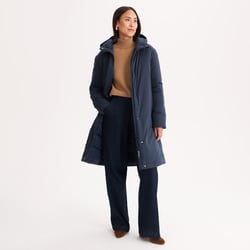
A mid-length trench or padded jacket is often the easiest all-rounder. It gives coverage without feeling heavy and works well for layering over workwear. For example, when you are layering a trench coat for rainy weekday commutes downtown, a mid-thigh length helps protect your clothes while still feeling manageable on the train, bus or pavement. You can wear it over a shirt, lightweight jumper and tailored trousers without the outfit feeling bulky.
Longer coats come into their own when you want polish or extra warmth. Throwing on a wool coat for evening dinner outings creates a cleaner line over dresses, skirts or darker denim. If you tend to carry a cross-body bag, test where the strap falls so the coat front still sits smoothly. A longer hem also works well in cold weather, but you may prefer a back vent if you walk quickly or use stairs often.
Materials: what feels good and what suits the weather
Material is not just about appearance. It decides how warm the piece feels, how much structure it has, and how easy it is to maintain. If you want a coat for regular weekday use, think about the weather you deal with most and how much layering you plan to do.
Wool coats are a strong option for cooler months when you want warmth with a polished look. They often hold their shape well and sit nicely over tailoring or dresses. A wool blend can feel lighter than a heavier pure wool design, which may suit women who run warm or move around a lot during the day. For office commutes or dinner plans, wool gives a tidy finish without needing much styling effort.
Puffer and quilted jackets are practical for casual routines and colder starts. Wearing a puffer jacket during chilly morning school drop-offs is a good example: you need warmth straight away, easy movement, and something you can throw on over a sweatshirt or knit without thinking too hard. Look for a shape that gives room through the shoulders and a zip or popper front that is easy to manage one-handed when you are carrying bags.
A trench coat is useful in changeable weather. It is lighter than a winter coat but adds enough cover for damp mornings and breezy afternoons. If you like adaptable pieces, a detachable hood or adjustable cuffs make a difference on wet days. Some women prefer a classic belted trench, while others choose a shorter version for easier layering with casual outfits.
You may also come across trims in faux fur or faux shearling-style finishes. These can add warmth around the hood or collar, but check how they sit around the face and whether they are removable. A bulky trim can be cosy on a cold school run, yet less practical if you wear scarves often or want a cleaner city look. If you like the look of fur-style detail, think about whether you want it every day or only on your most casual outerwear.
Popular styles and what they do best
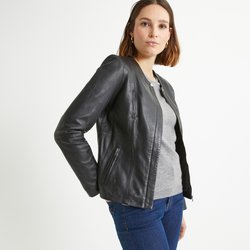
Different shapes answer different wardrobe needs. A bomber jacket gives a sporty, easy silhouette and often works well with jeans, joggers and casual dresses. It is useful in mild weather and tends to suit women who like shorter layers that do not get in the way when moving around. If you wear high-waisted trousers often, a bomber can balance proportions neatly.
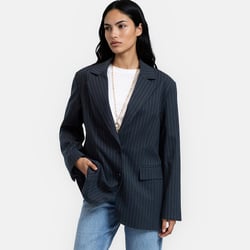
Structured jackets are better when you want a smarter line. They can sit over shirts and fine knitwear for work, but they are less forgiving over thicker layers. If you are between sizes and want to wear a jumper underneath, prioritise shoulder and sleeve comfort first.
For a wardrobe that covers several situations, many women find it useful to have:
- a lighter jacket for mild days and indoor-outdoor routines,
- a trench for wet or breezy commutes,
- a warm padded style for colder casual mornings,
- a wool coat for smarter outings and winter evenings.
If you enjoy mixing brands and silhouettes, you can style outerwear with pieces from women's clothing the kooples for a sharper city feel, or keep things easy with knitwear and denim from women's clothing vero moda. For softer casual dressing, a padded jacket can sit well over tops from women's clothing ikks, while a neat wool coat can balance fuller shapes from women's clothing sans complexe.
Layering comfort: what to wear underneath
Outerwear should work with the clothes you already own. If your winter wardrobe includes thicker knitwear, look for coats with enough ease through the body and sleeves. If you mostly wear fine-gauge jumpers, blouses or dresses, a neater shape may be enough. The key is to match the coat to your real layering habits rather than an ideal version of your wardrobe.
For example, a trench worn on a rainy weekday commute downtown might need to fit over a shirt, cardigan and light scarf. In that case, raglan sleeves or a slightly looser cut can feel more comfortable than a very tailored shoulder. For school runs, a padded jacket often needs to go over a sweatshirt quickly, so a front zip, practical hood and easy hip-length cut can save time on busy mornings.
Think about fastenings too. Double-breasted coats can look smart, but they may feel bulkier when fully closed. Single-breasted styles are often simpler for everyday layering. If you wear scarves often, test how they sit under the collar so the neckline does not feel overstuffed.
Colours, styling and how to make your outerwear work harder
Neutral colours are often the easiest starting point because they work across more outfits. Black, navy, camel, chocolate and grey can all slot into a busy wardrobe without much planning. Chocolate brown, in particular, feels rich with cream knitwear, blue denim and darker tailoring. If you prefer a lighter palette, stone or beige trench styles are useful in spring and autumn.
That said, colour should still match your routine. If you travel on wet pavements daily, a very pale coat may need more upkeep. If most of your clothes are dark, a softer camel or mid-grey can brighten the overall look without feeling loud. Women who wear prints often may prefer a plain coat that lets everything else sit more calmly.
When comparing items online, look beyond the image. Check the product details, the stated material blend, and any customer rating that mentions warmth, fit or sleeve length. Also compare the price with how often you expect to wear the piece. A smart wool coat for occasional dinners has a different role from the jacket you reach for five mornings a week.
Care tips that help coats and jackets last longer in your wardrobe
Care matters because outerwear gets more exposure than most pieces in your wardrobe. It faces rain, train seats, car journeys, café chairs and daily wear at the cuffs and pockets. Before buying, check the care label so you know whether the item fits your routine.
For wool coats, airing them after wear can help refresh the fabric between cleans. Use a clothes brush if the surface picks up lint. For padded and quilted jackets, make sure the filling is distributed evenly after washing, if machine washing is allowed. Trench coats may need a quick wipe at the cuffs or hem after a wet commute, especially if you walk through city spray and puddles.
A few practical habits make a difference:
- Hang coats on sturdy hangers so the shoulders keep their shape.
- Empty pockets to avoid pulling the fabric out of line.
- Fasten buttons or zips before storing to help the front hang properly.
- Check removable details, such as hoods or faux trims, before cleaning.
These small steps help your favourite jackets stay ready to wear, rather than needing attention every time you pull them out.
What to keep in mind before adding one to your basket
The best outerwear choice is the one that suits your pace of life. If you need something for everyday movement, focus on fit through the shoulders, layering room and weather protection. If you are shopping for smarter occasions, pay closer attention to length, drape and how the coat sits over dresses or tailoring. A trench is useful in changeable weather, a puffer handles cold casual mornings well, and a wool coat brings structure for evenings out.
Rather than buying on looks alone, picture the coat in a specific moment: over office clothes on a wet Tuesday, over knitwear at the school gate, or over a dress before dinner. That practical check often tells you more than any trend update. When the fit feels right, the material suits the forecast, and the length works with your day, you are far more likely to wear it again and again, not just once in a while.