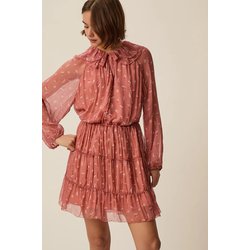
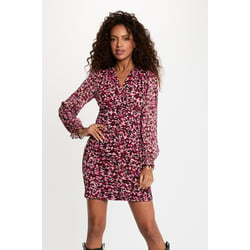
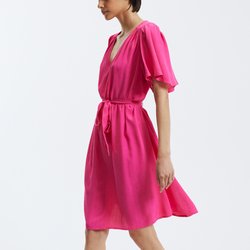
Check fit, length and fabric first
A pink and black mini dress can work for coffee dates, relaxed weekend lunches and everyday errands, but the details matter more than the colour combination alone. Before you choose one, check where the shoulders sit, how the waist feels when you sit down and where the hem falls when you walk. Then look at the fabric composition and care label. These checks help you find a dress that suits your routine, whether you spend the afternoon at a café table or walk to the shops in flats.
At La Redoute, we suggest starting with fit, length and fabric, in that order. A striking print cannot compensate for sleeves that restrict your arms or a hem you keep pulling down. Use the guide below to compare pink-and-black mini dress details and plan a few practical outfits before you buy.
Start with a fit that lets you move comfortably
Check the shoulders, bust and waist
Begin with your current measurements rather than the size you usually buy. Compare your bust, waist and hip measurements with the size guide attached to the dress, as the intended fit can vary between styles. A fitted bodice needs enough room across the chest to avoid pulling, while a fuller skirt should fall freely from the waist without catching across your hips.
When trying on your pink and black dress, lower your arms naturally and check the shoulder seams against the product images. On a conventional set-in sleeve, the seam should generally sit close to the edge of your shoulder. Dropped shoulders and puff sleeves create different outlines, so judge these against the intended design rather than expecting every seam to sit in the same place.
- Raise both arms to check that the bodice does not pull sharply upwards.
- Sit on a chair and notice whether the waist presses into your middle.
- Reach forwards as though picking up a shopping basket to test the upper back and sleeves.
- Check buttons, seams and fastenings for gaps or tension while standing and sitting.
Test the fit while moving, not just standing still. For a casual coffee date, you might spend an hour seated, then walk home with a jacket over your arm. Your dress needs to feel comfortable through both parts of the outing.
Choose details that suit your proportions
A defined waist can help control the volume of a fuller mini dress, while a straighter cut leaves more space around the middle. If you prefer an adjustable fastening, check whether the dress has a functioning tie or simply a decorative bow. A working wrap may allow some adjustment, but its neckline and skirt overlap still need checking when you sit or bend.
If standard dresses often sit too low at the waist or shoulders, compare the measurements with a petite wrap dress rather than choosing only by the overall size. Petite sizing can alter several proportions, not just the hem. Look closely at sleeve length and waist placement so that any adjustment solves the fit issue you actually have.
At La Redoute, our Full Mini Dress with Short Sleeves from LA REDOUTE COLLECTIONS features a dynamic cut and short puff sleeves for a feminine, contemporary look. When considering this kind of shape, check how the sleeve volume sits beneath your usual jacket and whether you prefer a close-fitting or roomier outer layer.
Find a mini length that works for your day
Measure against a dress you already enjoy wearing
The word “mini” does not tell you exactly where a dress will finish on your body. Your height, torso length and the shape of the skirt all affect the result. Where a product length is supplied, check how it has been measured, then compare it with a dress you already wear comfortably. Measuring from the same point makes that comparison more useful.
Check the hem while sitting, stepping and bending. A skirt that feels comfortable in front of the mirror may rise more than expected on a café chair. Take a few normal steps and try a shallow bend, as you might when reaching for something on a lower supermarket shelf. If you keep adjusting the skirt, consider a different cut or a little more length.
Balance skirt shape with your plans
A fuller skirt gives more space around the thighs, although lightweight fabric may move noticeably in a breeze. A narrower skirt can sit closer to the body but needs enough room for your normal stride. Look for product photographs that show the side and back, as well as the front, to assess how much volume the dress has.
For relaxed weekend lunches, try your pink and black mini dress with opaque tights and flat ankle boots when the weather is cool. Before heading out, sit down in the complete outfit: tights can change how a skirt moves, particularly if the dress is unlined. In warmer weather, flat sandals keep the outfit practical for a short walk to the restaurant.
Read the fabric details before choosing your outfit
Look at composition, stretch and lining
Fabric affects how a pink and black dress hangs, moves and feels over several hours. A woven fabric without stretch needs sufficient room at the bust, waist and hips. A knitted fabric may offer more give, but it can also follow the body more closely. Check the composition and product description rather than relying on photographs to judge softness or stretch.
Look for lining information and inspect coverage in daylight. Lighter pink sections may look different against the skin from the black areas, particularly in a fine fabric. When trying the dress at home, stand near a window and check the front and back with the underwear you intend to wear. If you need an extra layer, make sure its neckline and hem stay hidden as you move.
If you are comparing your options with a linen mini dress, consider how you feel about visible creasing after sitting down. Fibre content is only part of the picture: weave, fabric weight and lining also influence the result. For a lunch involving a car journey followed by several hours at a table, choose a finish you will still enjoy wearing once it has developed a few creases.
Consider sleeves and surface details
Short puff sleeves add volume around the upper arm, so check both the sleeve opening and any elasticated edge. You should be able to bend your elbow and reach across a table without the cuff digging in. Longer sleeves offer more coverage, but cuffs and shoulder shaping still need enough room for everyday movement.
A long sleeve floral mini dress can be a useful comparison when deciding how much coverage you want for cooler coffee dates. Focus on the fabric weight as well as sleeve length: a sheer long sleeve will feel different from a densely woven one. If your pink and black dress has textured panels or decorative trims, check whether they catch against your bag strap or feel rough beneath the arms.
Build simple outfits around the colour placement
For casual coffee dates, wear your pink and black dress with black loafers and a small cross-body bag. If the pink is bright or the print is busy, plain accessories keep the outfit easy to assemble. A black cardigan also gives you a removable layer when an outdoor table feels cooler than expected.
Style the pink and black dress with flats for grocery runs, choosing secure shoes rather than loose slip-ons if you expect to walk far. A hands-free bag leaves room to carry shopping, while a jacket with usable pockets keeps your keys within reach. Check that the dress allows a comfortable stride before committing to it for a longer trip.
If you already wear a red wrap dress, you may be able to reuse its black shoes, tights and everyday bag with your pink-and-black option. Try those pieces together before buying new accessories, paying attention to practical details such as whether buckles catch on a delicate hem.
Care for the pink and black fabric together
Follow the label before the first wash
The care label takes priority over general fabric advice. A dress may combine a main fabric, lining, elastic and trims with different care needs. Check the recommended washing method, temperature, drying instructions and ironing setting before removing labels or planning its first outing. If specialist cleaning is required, factor that into how often you expect to wear it.
Pink and black sections also make colour care worth checking. Follow any instructions to wash separately or with similar colours, and avoid leaving the dress soaking unless the label specifically permits it. Use the recommended detergent type and quantity, and do not assume that a cooler wash makes every garment machine washable.
- Fasten suitable zips or hooks before washing to reduce snagging.
- Turn the dress inside out if the care instructions recommend it.
- Use a laundry bag for delicate details when machine washing is permitted.
- Remove the dress promptly after the cycle rather than leaving it damp in the drum.
- Follow the stated drying method to help maintain its shape.
Store it according to its construction
Once your dress is clean and fully dry, choose storage that supports its shape. A woven dress may suit a padded hanger, while a stretchy knit may be better folded to avoid stretching under its own weight. Keep decorative sleeves free from heavy garments that could crush them. If ironing is allowed, use the specified setting and take particular care around prints, elastic and trims.
If you also own a short black lace dress, keep any exposed hooks or rough fastenings from rubbing against it or your pink-and-black dress in the wardrobe. Leaving a little space between delicate garments makes them easier to remove without catching a sleeve or hem.
Before your next outing, check the fastening, underarm area and hem for anything that needs attention. A quick check the evening before saves a rushed change. With the fit tested, the length checked and the care routine understood, you can reach for your pink and black mini dress knowing how it will work for the day ahead.