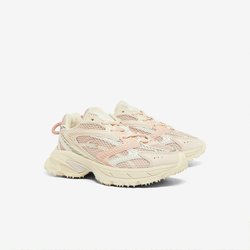
Pale pink shoes for everyday plans
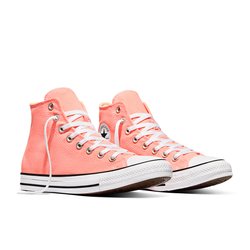
Pale pink shoes bring a gentle colour into outfits you already wear, from blue jeans and a white shirt to a cream dress for brunch. For regular walking, a low-top trainer profile is a practical place to start: it sits below the ankle, works with several trouser lengths and usually offers more coverage than an open shoe. The pale pink finish can range from a barely tinted blush to a warmer, peachier shade, so check the product photographs alongside your usual wardrobe colours.
At La Redoute, we recommend starting with how you will wear your shoes: walking to the station, spending the afternoon at a spring market or meeting friends after work. Those plans give you a useful order for choosing: fit first, then comfort, material and care. A colour you enjoy matters, but so does having enough room for your toes when the walk home takes longer than expected.
Start with the fit of your low-top trainers
Check length, width and heel hold together
Your usual size is a starting point rather than a guarantee. Different trainer shapes can feel narrower across the forefoot or deeper around the heel, even when the size label matches. Consult the brand’s size guide and measure both feet while standing, wearing the socks you plan to use. If one foot is larger, use that measurement as your reference and check that the smaller foot still feels secure.
When you try the shoes on indoors, stand up before judging the space at the front. Your toes should lie naturally rather than curl or press against the upper. As a general guide, allow roughly a thumb’s width beyond your longest toe, while checking that the shoe does not slide around as you walk. A secure heel and unrestricted toes matter more than the number on the label.
- Walk across a clean indoor floor and notice whether your heel lifts repeatedly.
- Bend through the ball of your foot to check that the upper does not pinch.
- Try the shoes later in the day, when your feet may be slightly fuller.
- Wear your usual insoles during the fitting if you intend to use them.
- Check both shoes, since pressure can appear on only one foot.
If you need a wide fit, look for a style designed with extra forefoot room rather than simply choosing a longer size. Going up in length may leave the heel loose without solving pressure across the toes. Adjustable laces can help you fine-tune the fit, but they cannot make a narrow sole wider.
Understand what the low-top profile changes
A low collar leaves the ankle uncovered, which can make a trainer easy to wear with cropped trousers or a dress. However, the position of that collar matters: walk and turn to check that its edge does not rub your ankle bone. A padded opening may feel comfortable, but its shape still needs to suit your foot.
Think about the difference between footwear categories when deciding what your day needs. A court shoe with a mid-height block heel gives a different stance from a low trainer, while a slingback uses a rear strap rather than a closed heel section. For an office commute with stairs, station platforms and a ten-minute walk at either end, a securely fitted trainer is often the more practical option.
If you already browse women's boots size 6, do not assume the same labelled size will feel identical in a trainer. Boots may have more room for thick socks, while a trainer can have a closer fit through the middle of the foot. Use the measurements and fit notes for the individual style.
Choose comfort for the journeys you actually make
Look beyond the first soft step
A soft footbed can feel pleasant during a quick try-on, but everyday comfort also depends on stability, flexibility and the shape beneath your foot. Walk for several minutes indoors and notice whether your foot rolls naturally. The sole should bend near the ball of your foot rather than forcing an awkward stride, and your toes should not grip to keep the shoe in place.
Check the outsole as carefully as the cushioning. For a daylight office commute, you may cross smooth station floors, uneven paving and painted road markings. Look at the tread and the manufacturer’s description of its intended use. No everyday trainer can guarantee grip on every wet surface, so take extra care on slippery tiles and metal covers.
A thicker sole also changes how a shoe feels underfoot. If you are comparing pale pink styles with black flatform trainers, pay attention to weight and flexibility as well as added height. A substantial sole may feel stable to one person but tiring to another during a long walk between bus stops.
Make pale pink work with everyday outfits
Pair pale pink shoes with a cream dress for brunch, adding ankle socks if the shoe opening feels more comfortable with that extra layer. A denim jacket gives you a practical outer layer for the journey, while a cross-body bag leaves your hands free. Check the hem length before leaving: it should not catch beneath the sole when you use stairs.
For a stroll through spring markets in town, wear your trainers with straight-leg jeans and a lightweight jacket. The pink finish sits comfortably alongside blue denim, cream and grey, so you can repeat the shoes without building a new outfit around them each time. Choose socks that stay in place; a slipping liner can bunch beneath the arch halfway through browsing stalls.
If you like the low court-inspired shape of Reebok Club C styles, compare the toe shape, collar padding and sole profile with the pale pink options you are considering. Similar-looking trainers can feel quite different once you have walked in them, so let the fitting test guide your choice rather than the silhouette alone.
Match the material to your routine
Consider the upper, lining and finish
The upper material affects flexibility, cleaning and how warm the shoes feel during wear. Smooth leather can often be wiped clean, although the correct treatment depends on its finish. A brushed surface needs a different approach, while textile panels may pick up dust around seams. Read the composition and care instructions rather than judging the material from a photograph.
Check whether the pale pink colour is uniform or mixed across panels. A smooth blush upper with a white sole will need different cleaning attention from a style with fabric inserts and contrasting trims. Use the close-up product view to inspect the toe, lace area and heel, where different textures may meet.
When comparing materials across a household’s footwear, men's black leather trainers can provide a useful reminder that a dark surface and a pale one reveal marks differently. A cleaning product that leaves no obvious trace on black may alter a pale finish. Always check suitability and test on a small, discreet area before treating the whole shoe.
Use descriptions and customer feedback together
Read reviews for repeated, specific observations about width, heel movement and wear during walking. One review saying a shoe feels narrow may reflect that person’s foot shape; several similar comments give you a stronger reason to examine the fit carefully. Look for details such as the socks worn or whether the reviewer spent several hours on their feet.
A photograph can help you assess the colour, but screen settings and lighting can change how pink appears. Compare several images if available, including close-ups and outfit photographs. When your new shoes arrive, check them indoors in daylight before deciding whether the shade works with your clothes, keeping the soles clean while you assess the fit.
Care for the pale pink finish after everyday wear
Remove marks gently and promptly
Pale shoes make splashes and scuffs easy to spot, so a short cleaning routine is more manageable than waiting for dirt to build up. After your commute or market walk, remove loose dust with a soft brush suitable for the material. For compatible smooth uppers, use a lightly damp cloth and the cleaner recommended by the manufacturer. Avoid soaking the shoe or scrubbing aggressively at one mark.
Let damp trainers dry naturally, away from direct heat. Radiators and hairdryers can damage some uppers, adhesives and finishes. If the care instructions allow it, loosely place plain absorbent paper inside to help the shoe hold its shape, replacing it when damp. Do not assume machine washing is suitable simply because the shoes are trainers.
- Clean the sole edge separately so dirty water does not spread across the pink upper.
- Remove laces for separate cleaning when the manufacturer’s guidance permits it.
- Use a brush intended for brushed materials rather than a wet cloth.
- Test any protective spray for compatibility and possible colour changes.
- Allow shoes to dry fully before wearing them again.
Keep cleaning products specific to the finish
If your cupboard also contains men's brown leather trainers, keep any tinted polish used for them away from your pale pink pair. Coloured creams and a previously used cloth can transfer pigment. Even a neutral product should be checked against the care label, as some finishes need specialist treatment rather than conventional polish.
Store your shoes somewhere dry and out of prolonged direct sunlight, with enough space to avoid crushing the heel or toe. After a full day of wear, loosen the laces before taking them off instead of pushing down the back with your other foot. This small habit helps preserve the heel shape that keeps your foot secure on the next commute. With a comfortable fit and a care routine suited to the material, your pale pink trainers can stay ready for ordinary plans, from the morning train to a relaxed weekend brunch.