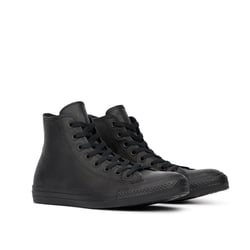
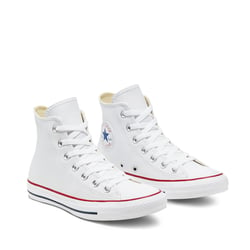
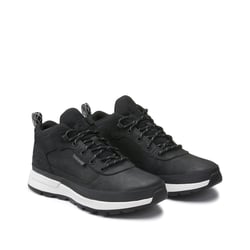
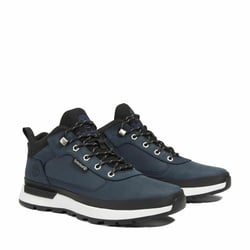
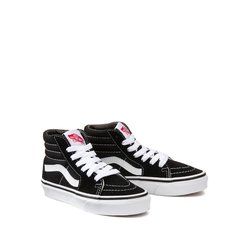
Find the fit that works for your day
A leather upper and high-top ankle coverage give everyday trainers a more enclosed feel than low-cut styles. That extra coverage can be welcome on a cool morning commute, but it also makes the fit around your ankle, heel and instep worth checking carefully. The best pair for you should leave your toes room to move, hold your heel without rubbing and lace comfortably over the top of your foot.
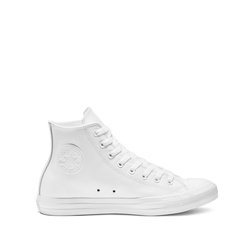
At La Redoute, we recommend comparing the upper, collar and fastening together rather than choosing by appearance alone. Whether you want black leather for casual office days or white trainers to wear with weekend jeans, this guide will help you assess the details that affect comfort before you order.
Start with length, width and everyday socks
Check the space around your toes
Try new trainers on with the socks you expect to wear most often. A thick cotton sports sock takes up more space than a thin everyday pair, which can change how the same size feels. Stand up, spread your toes and walk across the room. Your longest toe should not press against the front, and the upper should not squeeze the sides of your forefoot.
Allow roughly a thumb’s width in front of your longest toe as an initial guide, then check that your heel stays secure. Foot shapes and trainer designs vary, so this measurement is a starting point rather than a substitute for walking in the shoes. If you slide forwards with every step, a longer size may have created too much space.
Separate width problems from length problems
If the front feels tight but there is already enough space beyond your toes, going up a size may leave your heel slipping. Look for a roomier toe shape or a wider fitting instead. If you usually browse wide fit flat shoes, apply the same width awareness to high tops: a rounded outline does not automatically mean a generous fit inside.
Compare the brand’s size guide with your foot measurements, particularly when changing labels. When browsing size 5 women's shoes, for example, check the stated measurements rather than assuming every pair will feel like the size 5 shoes you already own. Measure both feet while standing and use the larger foot as your starting point.
- Try both trainers on, because your feet may differ slightly in length or width.
- Walk on a clean indoor surface so you can assess the fit while respecting the retailer’s returns conditions.
- Check for pressure across the widest part of your foot and over your instep.
- Repeat the fit check later in the day if your feet tend to swell after work or walking.
Compare the leather upper, not just the colour
Notice flexibility and pressure points
Leather varies in thickness, finish and flexibility. A softer upper may bend readily when you walk, while a firmer leather trainer can feel more resistant across the forefoot at first. Neither description tells you everything about comfort: seams, lining, tongue padding and the shape of the sole also affect how the shoe moves with your foot.
Do not rely on leather stretching to correct a painful fit. Some leather softens with wear, but a cramped toe box or a seam pressing against a toe is not a sensible starting point. During a fitting, bend your foot naturally and notice where the upper creases. A fold that repeatedly pinches the same spot may remain uncomfortable on a longer walk.
Match the finish to your routine
Smooth black leather can be straightforward to wipe after a dusty commute, while white leather makes scuffs and pavement marks more visible. Textured finishes may disguise small surface marks, although dirt can collect in their grooves. Check the product description for the upper composition, as leather panels may sit alongside synthetic or textile sections that need different care.
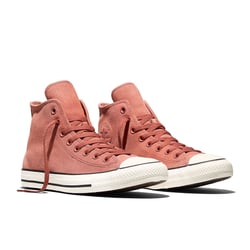
If you are comparing leather styles with canvas high tops, consider where you will wear them. Canvas often feels lighter and less substantial, while leather can give a firmer, more enclosed feel. Breathability depends on the whole design, including the lining and any perforations, so avoid judging it from the upper material alone.
Assess high-top ankle coverage carefully
Find a collar that sits comfortably
A high collar surrounds more of your ankle, but its height and shape vary between designs. Some finish close to the ankle bone; others extend further up the lower leg. High-top coverage is not the same as specialist ankle support, so choose everyday trainers for comfortable walking rather than treating them as protective sports footwear.
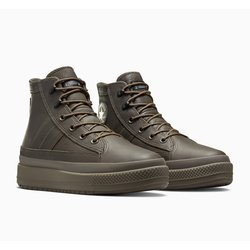
Padded leather collars can add ankle comfort on weekend city walks, provided the padding does not press directly against your ankle bones. Walk up a few steps if possible and check the back of the collar as your ankle bends. A stiff edge that rubs during a short indoor fitting is likely to become more noticeable when you are walking between shops or heading home from lunch.
Use the laces to fine-tune the fit
Loosen the laces before putting your foot in, rather than forcing your heel past a tightly fastened collar. Settle your heel into the back, then adjust the lacing gradually from the forefoot upwards. Keep the forefoot comfortable and the ankle secure without overtightening. Your toes should remain free to move, and you should not feel tingling or concentrated pressure beneath the tongue.
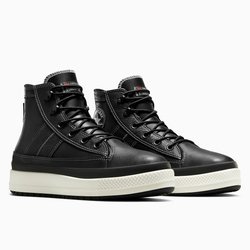
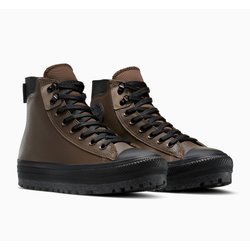
If the design includes a side zip, use the laces to establish the fit first and the zip for easier access afterwards. Check that the zip fastening does not press against your ankle. For anyone comparing high tops with wedge trainers, also assess the effect of the raised heel: it changes foot position, so the same nominal size may feel different across the instep.
Choose details that suit your actual journeys
From the morning commute to the office
Leather high-tops can keep your feet looking polished during casual office commutes, particularly in a simple shape with clean panels. Black leather works with straight-leg trousers when your workplace dress code allows trainers. Check the sole as well as the upper: a bulky tread may catch against a narrow trouser hem, while a smoother profile can sit more neatly beneath it.
For a commute involving station stairs and a ten-minute walk, prioritise a secure heel and a sole that bends comfortably at the forefoot. Golden eyelets or zip details can work with a belt buckle or bag fastening, but check that any hardware near the ankle does not press through the lining.
Weekend walks and quick coffee runs
Durable leather uppers pair easily with jeans for coffee runs, although durability still depends on the leather, construction and care. For longer weekend outings, compare the underfoot cushioning and outsole grip rather than assuming every trainer with a padded collar will feel equally comfortable. A flat-looking sole may feel firm, while a thicker sole can still lack flexibility.
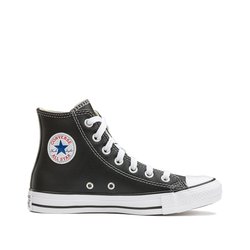
If you already browse black Converse styles, compare that familiar silhouette with the leather styles you are considering. Check collar height, toe shape and sole weight individually. Pairs you have owned before offer useful reference points: note whether their heels slipped or their toe boxes felt narrow, then look for a different fit rather than repeating the same problem.
Read product details before placing your order
Use reviews to spot repeated fit comments, not to replace your measurements. Several comments about a narrow forefoot are useful if you usually need extra width. One person describing a trainer as comfortable tells you less unless they explain their foot shape, socks and walking routine. Look for practical observations about tongue movement, collar rubbing and how easily the fastening adjusts.
Compare the price alongside the features you will use. A sale reduction can be worthwhile when the fit, upper material and sole suit your routine; it is less useful if you are accepting tight toes because your usual size is unavailable. Check delivery charges, return conditions and whether any promotional terms apply before completing your order.
Make a quick pre-wear check indoors when the shoes arrive. Confirm the size labels, inspect the lining for raised seams and compare both shoes on a level surface. Keep the packaging until you have assessed the fit and decided whether to keep them.
Care for leather high tops between wears
Clean according to the finish
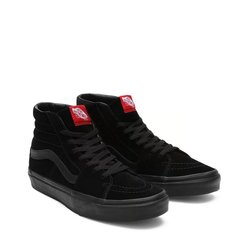
Start with the care instructions supplied for your specific trainers. For many smooth leather uppers, a soft brush removes loose dirt and a lightly damp cloth lifts surface marks. Avoid soaking the leather, and test any recommended cleaner on a discreet area first. Suede and nubuck need products intended for those finishes rather than the same treatment as smooth leather.
Let damp trainers dry naturally, away from direct heat. Remove the insoles if the design allows it, loosen the laces and use plain absorbent paper inside to help take up moisture. A radiator or hairdryer can dry leather too quickly and may affect its finish or flexibility. Leather uppers are not automatically waterproof, so follow the manufacturer’s advice before applying a protector.
Keep the collar and lining comfortable
After a long walk, open the trainers up so the lining can air. Check the collar for trapped grit, especially if you have walked through a park or along dusty paths. Clean laces separately where the care instructions allow, and keep excess polish or cream away from textile tongues and linings.
Revisit the fit as the leather softens. A small lacing adjustment may be enough to keep your heel settled without tightening the whole shoe. With room at the toes, comfortable ankle coverage and a care routine suited to the finish, your leather high tops will be ready for the journeys you make most often.