Outdoor stools that stand up to the weather
When you buy seating for outside, looks matter, but lasting performance matters more. A stool that spends its life on a balcony, by a patio fire pit or beside a garden path has to cope with damp mornings, strong sun, sudden showers and regular use. That is why choosing the right outdoor stool starts with one question: will it still feel sturdy, comfortable and easy to use after a full season outdoors?
At La Redoute, we think the best outdoor seating earns its place through practical use. You might need a compact seat on the balcony for morning coffee and quick conversations before work. Or you may want extra stools around the patio fire pit when friends stay later than planned. In both cases, the right choice is not simply about colour or shape. It is about material, stability, drying time and how easily the piece fits your routine at home.
Because stools are small and flexible, they often move more than larger garden furniture. One day they sit by a dining set, the next they become a handy perch beside garden beds while pruning flowers and herbs. That mobility is useful, but it also means you need a product that can handle frequent lifting, shifting and storage without wobbling or fading too quickly.
Why outdoor stools are a smart buy
Stools solve many seating problems without taking over your space. In a small garden or balcony, they can slide under a table, tuck into a corner or move wherever you need an extra seat. If you already own a bench or a lounge chair, adding one or two stools is a simple way to make the area more flexible without buying a full new set of furniture.
They also suit different heights and uses. A low stool works well near planters, around a fire pit or next to a side table. A taller model can support drinks and snacks near a bar area or outdoor kitchen. Some homes use stools as occasional side tables too, especially when guests arrive and every surface suddenly matters.
For busy households, stools are practical because they are easy to move, easy to store and often available in sets. If you are comparing options by price, this makes them a sensible way to add more seating without committing to a large layout. If you choose well, you get a seat that works in daily life rather than one that only looks good in a product photo.
What to check before you buy
Before choosing among outdoor stools, think about where they will live most of the time. A covered terrace and an exposed rooftop place very different demands on materials. Wind, moisture and direct sun all affect how a stool ages. A painted finish may chip faster in a harsh coastal setting, while some woods need more regular care in wet conditions.
Here are the points worth checking before you order:
- Material: this affects weather resistance, weight and maintenance.
- Seat height: match it to dining, lounging or bar use.
- Weight: lighter stools are easy to carry, but very light models may shift in wind.
- Drainage: slatted or perforated designs dry faster after rain.
- Stacking or storage: useful if you need to collect and store them during winter.
- Surface finish: smooth finishes are easier to wipe clean after pollen, dust or drink spills.
If you plan to use your stools around a fire pit, look for a stable base and a finish that is easy to clean after ash or smoke exposure. If they will sit on a balcony, measure carefully so the seat does not block circulation. For gardening jobs, a lower stool with a broad seat is often more comfortable than a narrow decorative design.
Choosing the right material for lasting outdoor use
Aluminium: light, practical and easy to live with
If you want a stool that is simple to move and straightforward to maintain, aluminium is one of the most useful options. It resists rust better than many metals, which makes it a good fit for uncovered spaces. An aluminium stool is handy when you need to carry seating from one end of the garden to the other, or bring out extra seats for evening guests around the fire pit.
It also suits modern outdoor style, especially in black, white or grey finishes. The main practical benefit is low maintenance: a quick wipe with mild soapy water is usually enough. If your balcony gets regular rain, aluminium is often easier to manage than materials that absorb moisture.
Wood: warm look, but more upkeep
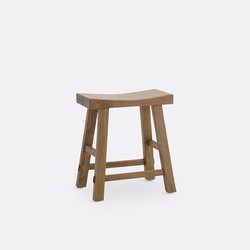
Wooden stools can feel welcoming and solid, especially if you want your outdoor area to connect visually with natural planting. They are often chosen for patios and sheltered terraces where the grain adds character. However, outdoor wood usually needs more care than metal or resin. If water sits on the surface or the finish wears away, the stool may age unevenly.
That does not mean wood is the wrong choice. It simply means the use case matters. A wooden stool kept under cover and brought indoors during prolonged wet weather can serve very well. If you like furniture that can move between spaces, it may also be useful to look at pieces that echo indoor designs such as bedroom chairs, especially when styling a covered veranda with a softer feel.
Resin and plastic: useful for easy cleaning
For family spaces and frequent use, resin or plastic stools can be very practical. They are often light, easy to wipe down and less fussy after muddy shoes, spilled juice or damp weather. If you need a stool to perch beside garden beds while pruning flowers and herbs, a washable surface can be a real advantage.
The key is to check quality. Lower-grade plastic may fade or become brittle in strong sun. Look closely at the product details, dimensions and customer rating where available. A stool used outdoors needs enough structure to feel secure when you sit down quickly or shift position.
Steel and mixed materials: strong, but check the finish
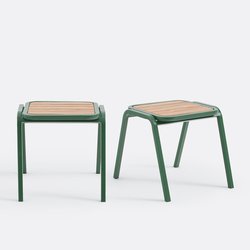
Steel can feel robust, but for outdoor use the protective finish matters a great deal. Powder-coated steel may perform well if cared for properly, but chips and scratches can lead to rust over time. Mixed-material stools, such as metal frames with woven or wooden seats, can look appealing, though each part may age differently. If you want a low-maintenance option, check how much care each surface needs before you buy.
Matching the stool to how you actually use your space
The best stool is the one that fits your habits. If your outdoor area is used mainly for quick breaks, choose a compact design that is easy to pull out and put away. On a balcony, one or two stools can create a simple breakfast corner without crowding the floor. A round seat often works better in tight spaces because it softens movement paths.
If you entertain often, think about flexibility. Extra seating around the patio fire pit during evening gatherings calls for stools that are stable on paving and comfortable enough for guests to stay seated for a while. Slightly wider seats tend to feel more relaxed than very narrow models, especially if people are wearing coats in cooler weather.
For practical jobs, such as deadheading roses or trimming herbs, a stool used beside garden beds should be easy to lift with one hand and simple to clean after contact with soil. In that case, a decorative finish matters less than a surface that dries quickly and legs that stay steady on uneven ground.
Style, colour and how stools fit with the rest of your furniture
Durability comes first, but appearance still plays a part in your choice. Outdoor stools often sit alongside loungers, benches or dining tables, so they need to make sense with the wider layout. If your space already includes a dining set, think about whether the stool will act as occasional seating or as part of a more permanent arrangement.
Neutral shades are often the easiest to place. A grey finish can sit comfortably with timber decking, stone paving or black metal frames. If you prefer a warmer look, natural wood tones can soften a hard-surfaced terrace. For entertaining zones, taller stools may work well near a bar counter or serving area, particularly if you want guests to gather while food is being prepared.
You can also think in terms of function-led combinations. If you are planning a compact outdoor dining corner, browsing table and stools can help you picture scale and spacing. The key is to choose pieces that support movement and storage, not just colour coordination.
Useful details that make a difference over time
Small design features often decide whether a stool is easy to live with after the first week. Look for feet that sit evenly on your surface, especially if your patio has slight irregularities. A seat with gentle contouring may be more comfortable for longer chats, while flat tops can double as makeshift side tables when needed.
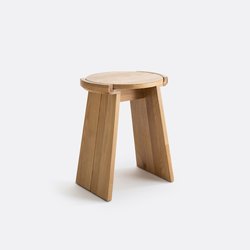
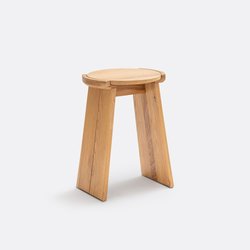
According to our catalogue, the Tibet Solid Oak Stool / Side Table by La Redoute Intérieurs is a piece of furniture designed for dual use, serving as both a side table and a stool, which shows how useful a compact format can be when you want one item to do more than one job. While solid oak is more commonly considered for sheltered settings than fully exposed weather, the idea behind it is helpful: a stool can earn its keep when it supports both seating and surface space.
Also check whether the item is available for immediate dispatch, whether delivery suits your timetable and whether there is a store option to collect if that is easier for you. These practical points matter when you are preparing for a gathering or replacing worn seating quickly.
Buying well: balancing price and performance
A low price can be appealing, but outdoor use is demanding, so value comes from durability as much as cost. If a stool needs replacing after one season, it may not have been the cheapest option in practice. Compare materials, finishes and customer rating rather than looking at price alone.
It is also worth checking whether cushions are included, whether covers are sold separately and how much storage space the stools need when not in use. Some offers include free delivery above a certain spend, which can be useful if you are buying several stools at once for a larger garden or terrace project.
When comparing one product with another, ask yourself:
- Will this stool stay outside most of the time?
- Can I move it easily between seating, planting and dining areas?
- Will the seat be comfortable for the way I use it?
- Does the material suit my local weather and level of maintenance?
If the answer is yes on all four points, you are likely looking at a stool that will serve you well beyond a single summer.
What you need to know before buying
What material is best for outdoor stools?
The best material depends on where and how you will use the stools, but for many outdoor settings, aluminium is one of the safest all-round choices because it is light, resists rust well and is easy to maintain. That makes it especially useful on an exposed balcony, in a small garden or around a patio where seating is moved often. If you want stools for quick morning coffee outside, or extra seats that come out when neighbours drop by, aluminium usually keeps the job simple.
That said, there is no single answer for every home. Wood can work beautifully in covered areas and gives a warmer look, but it often needs more upkeep. Resin and plastic are practical for easy cleaning, especially if the stool will be used near soil, grass or children’s play areas. Steel can feel solid, though it needs a reliable protective finish for outdoor use.
A useful way to decide is to match the material to your routine:
- Choose aluminium for light weight and low maintenance.
- Choose resin for easy cleaning and casual daily use.
- Choose wood for sheltered spaces where appearance matters and you are happy to care for it.
- Choose coated steel only if you can keep an eye on scratches and wear.
The main pitfall is buying for looks alone. For example, a stylish wooden stool may seem ideal online, but if it sits uncovered beside garden beds all year, regular rain and damp soil can create more upkeep than you expected. By contrast, an aluminium stool in a simple grey finish may not be the boldest style choice, yet it can be the more practical seat if you want something that dries quickly after showers and is ready to use again by the evening.
What is the best outdoor furniture that holds up to weather?
The outdoor furniture that holds up best to weather is usually furniture made from materials that resist moisture, temperature changes and strong sun with minimal upkeep. In practical terms, that often means aluminium, quality resin and well-finished synthetic materials. For stools, chairs and tables that stay outside regularly, these options are often easier to live with than untreated or high-maintenance surfaces.
The reason is simple: weather affects every part of outdoor use. Rain can leave water sitting on a seat, sun can fade colour, and cold mornings followed by warmer afternoons can put stress on finishes. Furniture that copes well with those changes tends to keep its shape, dry faster and need fewer repairs. If you are buying seating for extra guests around a fire pit, or for a balcony that gets direct sun in the morning and damp air at night, this kind of reliability matters more than a decorative detail.
When judging weather-ready furniture, focus on a few practical signs:
- Rust-resistant frames, especially for metal pieces.
- Quick-drying surfaces that do not hold water.
- Stable construction that stays firm after repeated moving.
- Finishes that are simple to wipe clean after dust, ash or pollen.
A common mistake is assuming heavy furniture is always better outdoors. Weight can help stability, but if a stool is too heavy to move, you may leave it in poor conditions longer than planned. A better example is a stackable aluminium or resin stool that you can use beside a bar area at lunch, then shift to the fire pit in the evening, and finally store under cover if bad weather is forecast. Furniture that holds up well is not only about surviving the weather; it is also about fitting naturally into the way you use your outdoor space.