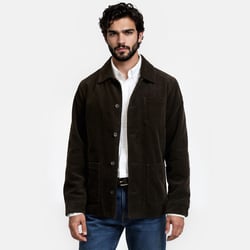
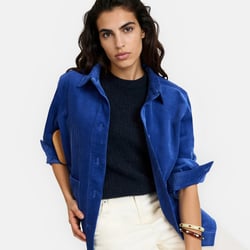
A long-sleeve shirt with texture
A long-sleeve shirt with texture earns its place on days when a plain tee needs another layer but a jumper feels too warm. The raised ribs of corduroy bring visible detail to a simple outfit, whether you leave the shirt open over cotton or button it beneath a jacket. For men building an easy weekday-to-weekend wardrobe, a cord shirt offers several ways to dress without needing a separate outfit for every plan.
At La Redoute, we suggest starting with the way you will wear your shirt most often: as a buttoned top, an open layer or something between the two. That decision helps you choose the fabric weight, fit and length. A lightweight style sits more easily beneath outerwear, while a heavier version gives you useful coverage over a tee on a dry autumn afternoon.
Understand the corduroy texture before choosing your shirt
Fine ribs for lighter layers, wider ribs for more visible texture
Corduroy has raised parallel ribs, often called wales, separated by narrow channels. Their width changes both the appearance and feel of the fabric. Fine-wale cord generally looks more understated, making it useful when you want to wear a shirt tucked into trousers or beneath a close-fitting jacket. Wider ribs make the texture more noticeable, particularly across the chest, shoulders and sleeves.
Check fabric weight as well as rib width. A fine-ribbed shirt can still feel substantial, and a wider-ribbed design is not automatically heavy. Read the composition and product description rather than judging warmth from a photograph alone. Cotton-rich corduroy often has a soft, substantial feel; a blend containing stretch may allow a little more movement when you reach forward or bend your elbows.
Use colour to make the texture work with clothes you already wear
Navy, brown and dark green cord shirts are straightforward partners for denim, grey trousers and cream tees. Blue corduroy can be especially practical if most of your wardrobe sits around jeans and neutral tops: choose a noticeably lighter or darker shade than your denim so the two pieces remain distinct. For example, a pale blue shirt over a white tee creates a clear contrast with dark indigo jeans.
If you regularly reach for a striped shirt, corduroy gives you another source of surface detail without introducing a second print. Keep the accompanying pieces simple at first. A plain tee, straight-leg trousers and trainers let you see how the ribbed fabric behaves in an outfit before you add patterned scarves or bolder colours.
Find a fit that leaves room for everyday movement
Check shoulders, chest and sleeves together
The right fit depends on what sits underneath. A shirt worn directly over a vest can sit closer to the body than one you intend to layer over a substantial cotton tee. Try your cord shirt with the layer you expect to wear beneath it. Button it, reach forward and sit down. Pulling between the buttons or tightness across the upper back suggests you need more room, even if the shirt looks neat when you stand still.
The shoulder seam provides another useful reference. On a regular-fit shirt, it will usually sit close to the edge of your shoulder. A relaxed design may deliberately drop lower, with extra space through the chest and arms. Neither cut is automatically better: the useful choice is the one that allows your planned layers without leaving excess fabric trapped beneath your coat.
- Check that the cuffs fasten comfortably without pressing into your wrists.
- Raise your arms to see whether the hem pulls out of your waistband.
- Sit down with the shirt buttoned to check for tension around the stomach.
- Wear your usual jacket over it to test the combined sleeve thickness.
- Look at the side view to judge whether the body hangs neatly or gathers at the back.
Choose the hem length around tucking and layering
A shorter, straighter hem often works well worn loose over jeans, while a longer curved hem can provide more fabric for a secure tuck. Wear the soft corduroy shirt tucked into jeans for weekend errands, then add a belt if you want to define the waistband. After tucking, lift your arms slightly and let a little fabric ease back out so you can move comfortably.
If you usually prefer a men's black slim fit shirt for evening plans, do not assume you need the same close cut in corduroy. The thicker surface can feel more restrictive beneath fitted sleeves. A regular fit may give you a cleaner result once you add a jacket, because the buttons and upper arms are less likely to pull.
Build everyday layers around your cord shirt
Open over a tee for crisp autumn walks
Layer the corduroy shirt over a tee for crisp autumn walks, choosing a regular or relaxed cut that leaves space across your shoulders. A white or grey crew-neck tee keeps the neckline uncomplicated, while dark jeans and comfortable trainers suit a route that includes pavements and park paths. Leave the shirt open when you are moving, then button it if the temperature drops during a stop.
Keep the base layer lighter than the cord shirt. A thick tee with bulky sleeves can bunch beneath the upper arms. When you collect children from school or carry shopping home, that extra fabric can become irritating. A lighter cotton base allows your arms to move more freely and is easier to adjust if you go indoors.
Your summer tops can remain useful beyond warmer weather. A plain short-sleeve tee becomes a base for corduroy once mornings turn cooler. Check the lengths together: if the tee extends well below the shirt, either tuck it in or choose a shorter base layer for a more controlled outline.
Buttoned beneath denim on chilly mornings
Button the cord shirt beneath a denim jacket on chilly mornings, keeping the collar flat so it does not bunch at the neck. Fine or medium ribs are practical here because they add texture without necessarily adding excessive bulk. Try a green shirt with a blue denim jacket and charcoal trousers, or a cream shirt beneath dark denim when you want stronger contrast.
Check the jacket with both layers fastened before heading out. If your elbows feel restricted, reduce the thickness of one layer. A roomier denim jacket may solve the problem, but a lighter cord shirt can be just as useful. Leave any bulky chest-pocket contents elsewhere, as a phone or wallet can press uncomfortably between the two garments.
Under knitwear or over a polo
A fine-ribbed cord shirt can sit beneath a crew-neck jumper, with the collar and cuffs providing small areas of texture. Smooth the sleeves before putting on the knitwear and avoid rolling the cuffs underneath, where they can form thick bands. For desk-based work, this combination gives you the option to remove the jumper when the room warms up.
A polo can also work underneath an open cord shirt, though two collars need a little attention. Choose a polo with a soft, compact collar and keep it inside the shirt collar rather than spreading both out. If you have a familiar Ralph Lauren polo already in your wardrobe, try the combination before adding anything new; the sleeve thickness and collar shape will tell you whether the layers sit comfortably.
Rotate corduroy with your other everyday shirts
Different shirts offer different kinds of detail. A blue striped shirt gives an outfit a clear linear pattern, while corduroy creates depth through its raised surface. A check shirt brings several colours together, which can help you coordinate trousers or a jacket. For a small wardrobe, use these differences to vary familiar jeans and footwear rather than changing every part of your outfit.
Start with pieces you have owned for a while. Lay your cord shirt beside your most-worn trousers, two tees and your everyday jacket. Build three complete combinations before adding more colours. For example, navy cord can work open over grey, buttoned with stone trousers, and tucked into dark jeans. This simple check helps you identify whether you need a lighter base layer or a different trouser shape, rather than another shirt.
Keep the texture comfortable and presentable
Always follow the care label, as washing and ironing instructions vary with the fabric blend and finish. Fasten buttons as directed, empty the pockets and pre-treat marks only with a product suitable for the material. Turning the shirt inside out can help limit rubbing against other garments during washing. Avoid overfilling the machine, which leaves less room for clothes to move.
Avoid pressing the raised ribs flat with a hot iron. If ironing is permitted, work from the reverse at the recommended setting, using light pressure. Follow any drying instructions carefully, then hang the shirt with the collar and button placket smoothed into place. Before wearing, check the cuffs and elbows for creases so you can address those areas without unnecessarily pressing the whole garment.
Keep your cord shirt within easy reach of your everyday layers. With enough room through the sleeves, a suitable base underneath and a colour that works with your trousers, it becomes a practical option for morning walks, weekend errands and casual days out. You are free to wear it open, tucked or buttoned beneath a jacket according to the temperature and your plans.