Choose chino trousers for everyday comfort
Choose chinos for daily wear when you want trousers that work for a morning commute, a desk-based afternoon and a quick stop at the shops. Their typically smooth cotton fabric offers a different feel from the textured denim of jeans, while their neat shape makes them easy to wear with shirts, knitwear and trainers. The useful distinction is not simply smart versus casual: it is how the fabric feels when you sit, walk, bend and spend several hours in the same outfit.
At La Redoute, we suggest starting with your daily routine when choosing trousers: time spent sitting, walking and travelling gives you a practical checklist for assessing comfort. The ultimate test is whether the waistband, seat and legs remain comfortable through those activities, rather than just looking right when you stand in front of a mirror.
Chinos versus denim: compare feel, movement and use
The feel of the fabric against your skin
Chino fabric is usually a cotton twill with a relatively smooth surface. Denim is also commonly woven in a twill construction, but many jeans use a heavier fabric with a more pronounced texture. As a result, lightweight chinos can feel less bulky around your knees and hips than heavyweight jeans, particularly when you sit for long periods.
That does not mean every chino will feel softer than every pair of jeans. Washed denim can be supple, while a dense, non-stretch chino fabric may feel firm at first. Compare fabric weight, composition and the inside feel rather than assuming the product name guarantees comfort. If you are choosing online, read the material details and any available information about fabric thickness or finish.
Movement through the seat, thighs and knees
Movement depends on both cut and cloth. A straight chino with sufficient thigh room may let you climb stairs more easily than a narrow jean, even without added stretch. Conversely, stretch denim can be more forgiving than tightly cut cotton chinos. A small amount of elastane can help trousers flex, but it cannot make up for a waistband or rise that is too restrictive.
When trying trousers on, sit in a chair, take a long step and bend your knees. Check whether the pockets pull open or the waistband digs in. You should be able to sit without needing to undo the top button. If the fabric strains across your lap, compare another size or a roomier cut rather than relying on it to loosen with wear.
Choosing between them for your day
Jeans are useful when you want a casual outfit with a substantial fabric, especially on cooler days. Chinos often make sense when you need something lighter or a cleaner outline for work. For a commute followed by meetings, a dark chino can sit neatly under a button-down shirt without the bulk of heavier denim. For outdoor plans in chilly weather, you may prefer the weight of your usual jeans.
Find a fit that stays comfortable beyond the fitting room
Start with the waist and rise
The waistband should sit securely without pinching when you sit down. A belt can make a small adjustment, but it should not have to gather a large amount of excess fabric. Pay attention to the rise as well: a lower rise can pull at the back when you bend, while a higher rise may feel more secure during a seated working day.
Try your chinos with the underwear and shirt style you normally wear. A tucked-in shirt takes up room at the waist, so assess the fit with it in place if that is how you dress for the office. Check the back waistband in a mirror after sitting and standing; significant gaping may mean you need a different cut rather than a smaller size everywhere.
Choose your leg shape around movement
Straight-leg trousers give the thigh and calf more consistent room. A tapered shape narrows towards the ankle while potentially leaving more space higher up. If you prefer slim fit trousers, check the actual measurements where available: the word slim does not describe the same proportions across every design.
When comparing slim fit chinos, look for enough room through the seat and thigh before judging the ankle opening. If you cycle to the station or regularly take stairs, a narrow lower leg may be comfortable, but tight fabric across the upper thigh can restrict each step. Choose the cut for your movement, not just the silhouette.
Get the length right for your footwear
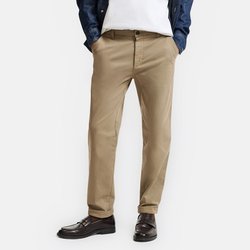
Try chinos with the shoes you intend to wear most often. A small break above a loafer gives a different result from a cropped hem above trainers. Excess fabric can bunch around the ankle and catch under your heel, while a shorter length exposes more of your lower leg when you sit.
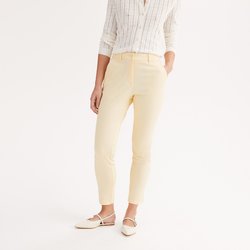
If you usually browse three quarter length trousers for warm weather, compare where the chino hem lands rather than choosing by label alone. A cropped full-length design and a three-quarter cut can finish at noticeably different points, affecting both coverage and the balance of your outfit.
Choose fabric and colour for the way you use your trousers
Cotton, stretch and warm-weather weight
Cotton chinos can feel pleasant against the skin and are available in different weights. A lighter weave is often useful for warm journeys, while a denser fabric may give more coverage on cool mornings. Cotton can crease, particularly across the lap after sitting, so consider whether that relaxed finish suits your plans.
Stretch blends may help when you bend to tie your shoes or spend hours at a desk. However, fabric thickness, cut and waistband construction still matter. Check the care label before buying, especially if you need trousers that fit easily into your weekly laundry routine. High heat can affect some fibres and finishes, so follow the instructions rather than treating every pair like your jeans.
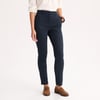
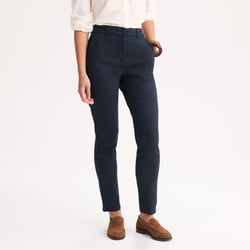
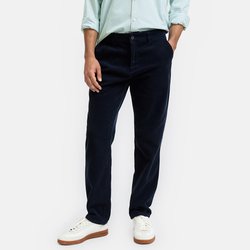
If your search includes navy slim fit trousers, compare the fabric composition with cotton chinos before deciding. Linen trousers may offer a lighter feel and a more visibly creased finish, whereas a chino twill may give you the smoother outline you want for office wear.
Useful colours for repeat outfits
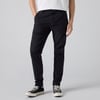
Choose colours by looking at the tops and shoes you already wear. Stone chinos work with a navy shirt and white trainers for daytime plans. Black offers a straightforward option with a pale button-down and dark shoes, while grey can work with a blue knit and brown footwear. Lighter shades may show splashes or marks more readily, which matters if your day includes public transport or lunch on the move.
- For regular office wear: consider navy, black or dark grey if you want to rotate the same trousers with several shirts.
- For relaxed weekend outfits: try stone with a striped top and trainers you can walk in comfortably.
- For warm travel days: prioritise a lighter fabric and a waistband that remains comfortable when seated.
- For a classic casual look: wear a straight-leg chino with a plain T-shirt and an unstructured jacket.
Put chinos to work throughout your week
Office days with a button-down shirt
Wear chinos to the office with a button-down shirt, choosing a leg shape that leaves room for sitting through meetings. Tuck the shirt in if you want a defined waist, and check that the waistband still feels comfortable after lunch. Loafers or simple lace-up shoes suit workplaces where jeans feel too casual but a suit is unnecessary. For more formal appointments, check the dress code rather than assuming chinos are suitable everywhere.
Weekend errands with trainers
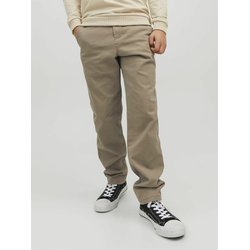
Pair chino trousers with trainers for relaxed weekend errands, adding a sweatshirt or an easy cotton shirt. If you will be carrying shopping or walking between several stops, test that your phone fits in a pocket without pressing into your hip. Avoid overfilling the pockets: bulky keys and a thick wallet can pull the fabric out of shape and make sitting uncomfortable.
Comfortable travel on warm days
Choose lightweight chinos for comfortable travel on warm days, particularly when you need leg coverage on trains or flights. A little room through the thighs helps during long stretches of sitting. Wear them with breathable layers so you can adjust between a warm platform and a cooler carriage.
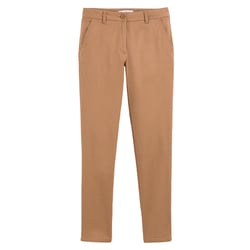
For a short trip, chinos can cover journeys and casual dinners, while brown chinos give you a separate option for another day's plans. Plan around your actual itinerary: if you will walk straight from the station to a restaurant, chinos with a clean shirt can save you carrying a complete change of clothes.
Make a practical choice before you shop
When you shop, compare more than the price. Check the composition, available measurements, pocket arrangement and care instructions. A lower-priced pair is not useful if you avoid wearing it because the waist pinches, while a higher price alone does not guarantee the best fit for your body.
Keep your usual shoes nearby when trying on a delivery. Test the trousers standing and sitting, then walk around indoors before deciding. Look for pulling at the fly, gaping pockets and pressure behind the knees. These checks give you specific reasons to keep a pair or try another style, rather than judging comfort from a brief glance in the mirror.
Understanding chino comfort before you buy
Are chino trousers more comfortable than jeans?
Chinos can be more comfortable than jeans, especially when you compare lightweight, well-fitting chinos with stiff, heavyweight denim. They often feel less bulky around the hips and knees, which can help during a seated commute or a warm working day. However, soft stretch jeans may feel easier to move in than narrow chinos made from firm cotton. The better choice depends on fabric weight, cut and the room available where you bend.
- Compare the waistband while sitting, not only while standing.
- Take a long step to check movement through the thighs and seat.
- Feel the fabric behind the knees, where excess thickness or tightness can become noticeable.
- Choose a weight that suits the temperature and the amount of walking you expect.
A common pitfall is buying a smaller size because the fabric contains stretch. Stretch can support movement, but trousers that already pull across your lap may remain uncomfortable through a full day. Another is assuming all cotton fabrics feel equally light; a dense cotton chino can be substantial.
For example, if your day involves a forty-minute train journey, several hours at a desk and a walk home, try a straight or gently tapered chino with enough thigh room. Compare it directly with your usual jeans by sitting in each for a few minutes. Choose the pair that lets you move and sit without pressure, even if that means selecting a different cut from the one you first planned to buy.