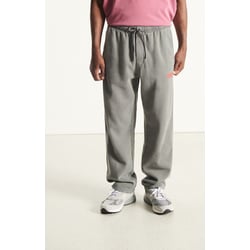
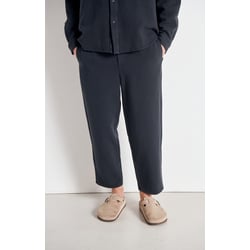
Everyday ease without guesswork
A waistband should feel comfortable when you sit down on the train, reach for a shopping bag or head out for a walk. Men's elasticated waist trousers give you room to move without the restriction of a rigid waist fastening. The key is choosing a pair that sits securely at your waist while leaving enough space through the seat and thighs. Start with your measurements, check the cut, and consider where you will wear them most often.
At La Redoute, we recommend checking the size guide alongside the product details before choosing your trousers, particularly when switching between a regular waistband and an elasticated design. A little stretch can make dressing simpler, but it does not replace a good fit. Here is how to choose a comfortable pair and wear it throughout your week.
Start with comfort at the waist
Choose a waistband that holds without digging in
An elasticated waistband expands as you move, then returns towards its resting shape. That flexibility is useful during a seated commute or a lunch break, when a fixed waistband can feel more restrictive. However, the elastic should not feel overstretched while you are standing still. A comfortable waistband stays in place without pinching or needing constant adjustment. If it leaves pronounced pressure marks or folds over when you sit, try another size or a different waistband construction.
Look closely at how the waist is made. A fully elasticated design offers flexibility around the whole waistband, while trousers with elastic at the back may have a flatter front. A drawstring gives you another way to adjust the fit. Check whether it runs around the waist or simply adjusts the front, as this affects how evenly you can tighten the trousers.
- Full elastic: useful when you want an easy pull-on style for home, travel or relaxed days out.
- Elasticated back: worth considering when you prefer a smoother front beneath a tucked-in polo or shirt.
- Adjustable drawstring: helpful for making small adjustments before walking, sitting or carrying items in your pockets.
Before your commute, adjust the elasticated waistband while standing, then sit down to check the pressure across your stomach. Tie any drawstring securely without pulling it so tight that the fabric bunches up. Put your phone and keys in the pockets as well: their weight can reveal whether the waist needs a small adjustment before you leave.
Find a reliable fit beyond the waistband
Check the seat, thighs and rise
The waistband is only one part of the fit. Trousers can feel comfortable around the middle yet pull across the seat when you climb stairs. Equally, a loose waist can hide a cut that is too narrow through the thighs. Use the elastic for flexibility, not to compensate for the wrong size. When trying on a pair, sit on a chair, take a long step and bend to put on your shoes. The fabric should allow these movements without the pockets gaping or the waistband sliding down at the back.
The rise also matters. This is the distance between the crotch seam and the top of the waistband. A rise that is too short may pull the waist down as you sit; one that is too long can leave excess fabric hanging between your legs. Wear the trousers at their intended position rather than pulling them unusually high or low to make the length work.
Match the leg shape to your routine
A regular leg gives you space through the thigh and a fairly straight line towards the hem. A tapered trouser narrows towards the ankle, which can help keep fabric clear of your shoes. Slim options may suit you if you prefer less fabric around the lower leg, but check that the thighs still have enough room for sitting and walking.
If you already wear men's joggers, compare their leg measurements with those of the trousers you are considering. Cuffed hems and woven trouser hems sit differently, so the same inside-leg measurement may not give you the same look. Check the listed length and view the product images to see whether the hem is designed to sit above the shoe or rest lightly on it.
Choose fabric for the way you wear your trousers
Separate waistband stretch from fabric stretch
An elasticated waist does not necessarily mean the whole garment stretches. Woven trousers may have a flexible waistband but little give through the legs. Fabric containing elastane can offer additional movement, although the amount and feel vary with the blend and construction. Read the composition rather than assuming every elasticated style will feel like sportswear.
For commuting and casual office days, consider woven options with a clean front and enough room to sit comfortably. Elasticated chinos can work with a polo and trainers when your workplace allows a relaxed dress code. For time at home or gentle walks, a softer knitted fabric may suit your plans better. Check the care label too: washing temperature and drying instructions affect how easily a pair fits into your laundry routine.
When browsing men's pull-on trousers, check the fastening description as well as the photographs. Some styles pull straight over the hips, while others combine elastic with a button or zip. If you want to get dressed quickly without handling a fastening, that distinction is worth checking before you order.
Put everyday comfort into practice
Dress for the commute and the hours after it
For a journey involving a train ride followed by a walk, choose a pair that gives you room at the knees and does not slip when your pockets are full. Wear them with a cotton shirt or a plain sweatshirt, depending on your destination. If you carry a shoulder bag, check that the waistband remains comfortable when the bag rests against your hip. A few quick checks at home can save you repeated adjustments on the platform.
Keep weekend dressing straightforward
Pair elasticated-waist trousers with a polo for casual weekend errands. A regular or tapered cut leaves room to move between the car, shops and a coffee stop without needing a change of clothes. Consider navy, charcoal and stone alongside the tops and shoes you already wear. Choose a shade that works with several existing outfits rather than one that needs a new wardrobe around it.
For relaxed walks through the neighbourhood, check that the hems stay clear of the ground and the pockets hold your essentials securely. A drawstring can help keep the waist in place, but overfilled pockets may still drag the fabric down. Carry heavier items in a bag if they make the trousers shift with each step.
If you prefer a sportier option for relaxed days, compare track pants with your usual trousers. Check each product's rise, leg shape and size guide rather than assuming the fit will be the same.
Compare the details before you buy
Start with the fit information, then compare the price and practical details. Check the displayed VAT information, delivery charges and any offer conditions to work out the total cost. A multi-buy can be useful when you already know the size and want a second colour to wear during the week. If you are trying an unfamiliar cut, check the returns policy before ordering several pairs.
- Measure your waist at the position where the waistband will sit, keeping the tape level.
- Check your hip measurement if the trousers need to pull over your hips without a zip.
- Compare the inside leg with a pair you wear comfortably with similar shoes.
- Check whether the size guide lists body measurements or garment measurements.
- View the front, side and back images for details of pocket placement, leg width and waistband construction.
Do not compare an unstretched garment waist directly with your body measurement unless the guide tells you to. Elasticated garments can measure smaller at rest because the waistband is designed to expand. If the measurements are unclear, seek sizing advice rather than guessing how much stretch the product allows.
Men's elasticated waist trousers: sizing FAQ
Should you size down in elasticated waist trousers?
Size down only when the current pair is too loose where it matters, not simply because the waistband stretches. First, check your waist and hip measurements against the size guide for that specific product. If your measurements sit between sizes, follow any guidance provided for the cut. A smaller size may reduce the waist, but it can also reduce room through the seat, thighs and rise. That can leave you with trousers that stay up yet feel restrictive every time you sit.
Try these checks before choosing the smaller size:
- Adjust the drawstring, if fitted, and see whether the waistband stays comfortably in place.
- Sit down and climb a step to check for pulling across the hips and thighs.
- Empty the pockets to see whether their contents are dragging the trousers down.
- Compare the smaller size's measurements, including the hips and inside leg where available.
For example, if your trousers slip at the waist but fit closely across the seat, sizing down is unlikely to solve both problems. A different cut with a smaller waist in relation to the hips may suit you better. If the trousers fit well everywhere except the waist, ask an alterations specialist whether the elastic can be shortened or replaced. The answer depends on whether it is threaded through a casing or stitched into the waistband.
Avoid deliberately shrinking trousers in a hot wash: they may shrink unevenly, affecting the leg length or fabric. Choose the size that allows you to sit, walk and bend comfortably, then use the waistband adjustment for a secure fit. That gives you a reliable starting point for getting dressed and heading out.