Find the right accessory match for the way you dress
Choosing women’s accessories is easier when you begin with practicality rather than impulse. A necklace may look striking online, but if it catches on knitwear, feels heavy by lunchtime, or does not sit well with your neckline, it will soon stay in the drawer. The same goes for a bag that looks spacious in photos but cannot hold a water bottle, diary, and make-up pouch without losing its shape. If you want pieces you will reach for again and again, focus on fit, compatibility, and everyday comfort.
This guide is designed to help you buy the right pieces with more confidence. Instead of thinking only about colour or trend, think about your week: office days, family plans, commuting, evenings out, and quick morning routines. The right fashion details work with your clothes, your schedule, and your habits. Whether you are looking for a scarf, a belt, a watch, earrings, a hat, or a practical tote, the best choice is the one that fits your wardrobe and the way you move through the day.
Start with compatibility: what will you actually wear it with?
Before you shop, look at the colours and shapes you already wear most often. If your wardrobe is built around navy tailoring, cream knitwear, denim, and plenty of black dresses, an accessory should work easily with those pieces. A bright statement item can still be effective, but it should have at least two or three outfit partners. That is what makes it wearable rather than occasional.
For example, if you often dress for office meetings, pairing earrings and necklace sets is less about matching exactly and more about scale. If your blouse has a high neck or tie detail, shorter earrings and a finer chain will sit more comfortably and will not compete with the fabric. If you wear an open-collar shirt, a slightly longer necklace can fill the neckline neatly. In practical terms, this means fewer mid-morning adjustments and a look that feels considered without taking extra time.
Colour compatibility matters too. A gold finish can warm up camel, cream, and brown tones, while silver often works well with grey, white, denim, and cooler shades. Neither is better; the most useful choice is the one that fits the jewellery and hardware you already own. If your everyday watch buckle, handbag zip, and favourite hoops are mostly silver-toned, another silver-toned piece will slot in more easily.
When you browse autumn winter inspirations, notice how often successful styling depends on repetition. A belt picks up the shade of ankle boots, a scarf echoes the accent colour in a knit, or a bag finish links to coat buttons. This kind of compatibility gives you more outfit options from one purchase.
Dimensions matter more than you think
Size is one of the biggest factors in whether an accessory feels useful or awkward. This applies to everything from handbags to hair clips. Product images can make items appear larger or smaller than they are, so measurements are always worth checking.
Bag size and daily capacity
If you need a bag for work, list what goes into it on a normal weekday: phone, keys, card holder, notebook, charger, hand cream, sunglasses, and perhaps lunch or a compact umbrella. A mini cross-body may suit days when you carry only the essentials, but it will not replace a work tote. At La Redoute, our selection includes the Suede Tote Bag with Leopard Print Pouch, black, LA REDOUTE COLLECTIONS, and it is worth considering if you want a practical tote in soft suede that gives you room for everyday items without needing a second carry-all.
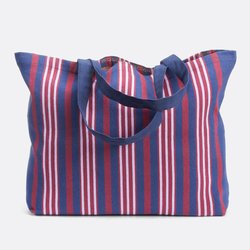
Think about handle drop as well. A tote can look spacious, but if the straps are too short to sit comfortably over a coat sleeve, it becomes frustrating during the colder months. For commuting, this is a real issue: if you cannot slip it over your shoulder while holding a coffee or travel card, you will feel the limitation straight away.
Belt width and trouser loops
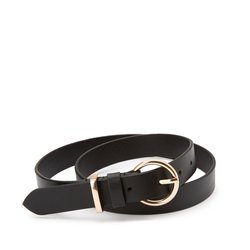
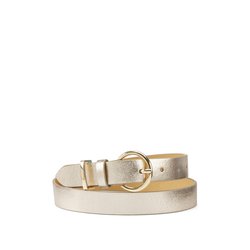
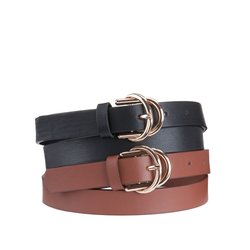
A belt should suit both your body and your clothes. A wide belt can define a dress beautifully, but it may not pass through the loops of tailored trousers or jeans. If you want one for regular use, check the width against the garments you wear most. A slim leather belt usually works across more outfits: jeans, cigarette trousers, shirt dresses, and even over a cardigan when you want more shape.
For casual plans, match belt and watch with casual weekend outfits by keeping proportions balanced. A chunky watch with a very thin belt can feel visually disconnected, while a medium-width belt and a simple watch face often look more natural with straight-leg denim, trainers, and a knit. This kind of detail helps an outfit feel pulled together without making it look too formal for brunch, the park, or a last-minute trip into town.
Hair accessories and comfort
Hair clips, bands, and scarves need the right hold for your hair type. A decorative clip that slips out of fine hair within an hour is not practical, however pretty it looks. If your hair is thick or textured, check whether the clip has enough grip and opening width. Use hair clips and scarf options to finish your morning styling when you need a quick solution: for instance, a claw clip to secure a half-up style before the school run, then a printed scarf tied around a ponytail for a meeting later in the day. The practical benefit is speed, but also less damage from over-tight elastics.
Choose materials that suit your routine
Material affects comfort, appearance, and care. It also changes how an accessory behaves throughout the day. A soft fabric scarf drapes differently from a crisp woven one; suede reacts differently to rain than coated canvas; metal jewellery can feel featherlight or heavy depending on its construction.
- Leather and suede: often chosen for bags and belts because they age well in everyday wardrobes, but they need mindful care around rain and friction.
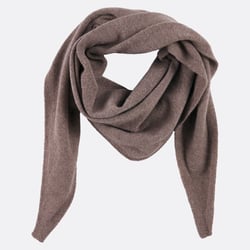
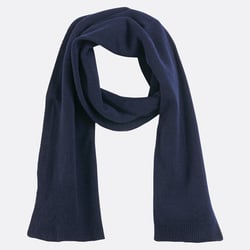
- Fabric scarves: useful for layering, hair styling, and travel because they fold easily and can add colour without weight.
- Metal jewellery: think about weight, fastening type, and whether the finish works with your other pieces.
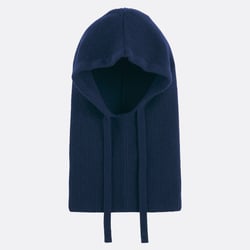
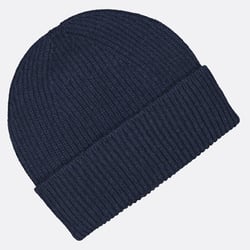
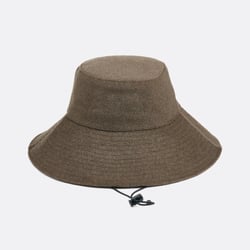
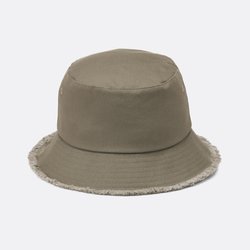
- Wool or knit hats: ideal for warmth, but check stretch and shape so the fit stays comfortable over several hours.
If you travel on public transport, a soft cross-body bag in a dark shade such as black or deep brown may be easier to wear every day than a pale, structured style that marks quickly. If you often tie a scarf around your neck and then remove it indoors, a lighter fabric may be more practical than a bulky weave that takes up half your tote. These are small details, but they affect whether a piece feels easy to live with.
Print also changes wearability. A leopard or geometric print can act almost like a neutral if the colours already appear in your wardrobe. A printed scarf with cream, black, and brown can work with a trench coat, denim jacket, and black knit dress across multiple weeks. That makes it a smarter choice than a print that suits only one coat.
Think about care before you commit
Care is part of the buying decision, especially for items you use every week. If an accessory needs too much maintenance for your lifestyle, it may end up neglected. Before you buy, ask yourself where you will store it, how often you will clean it, and what kind of weather or wear it will face.
For bags, check whether the material can be wiped clean or whether it needs specialist protection. A suede bag looks rich and soft, but if you regularly walk in changeable weather, you may want to keep it for drier days and use a more resilient option in heavy rain. For scarves, look at the care label: if you plan to use one for daily commuting, a fabric that handles frequent refreshing is more practical than one that needs delicate handling every time.
Jewellery care matters too. If you remove earrings several times a day because of headphones, collars, or sport, choose fastenings that are secure but easy to handle. A delicate clasp may look refined, yet become annoying in a changing room or before an early train. Everyday wearability often comes down to these small interactions.
Match the accessory to the moment
Some women’s accessories are best chosen by occasion, but the most useful ones work across several settings. A scarf can warm your neck on a chilly morning, soften a blazer in the office, and tie around a bag handle at the weekend. A watch can look neat with tailoring on Friday and still suit denim on Sunday. The trick is to choose styles that do not feel confined to one role.
For office meetings, pair earrings and necklace pieces with your neckline and your schedule. If you spend the day moving between desk work and client calls, lighter jewellery tends to feel better over long hours. Studs or small hoops with a fine chain are often easier than pieces that knock against lanyards, collars, or coats. If your top has a strong print, keep jewellery simpler so the outfit does not feel busy on screen or in person.
At the weekend, match belt and watch with casual weekend outfits by looking at finish and function. A leather belt with a simple buckle and a watch with a clean dial can work with a striped jumper, relaxed trousers, and trainers for a lunch date or market trip in London. You get enough polish to feel dressed, but not so much that the look feels stiff.
For rushed mornings, use hair clips and scarf styling as a time-saving step. A scarf folded into a headband can tidy second-day hair before a video call, while a clip can keep shorter layers in place on windy days. This is especially useful when you want to look ready quickly without heat styling.
Price, value and timing your purchase
Price should be weighed against frequency of use. A lower price can be appealing, but if the item does not fit your routine, it is not good value. Equally, a slightly higher spend may make sense for a bag or belt you expect to wear regularly with multiple outfits. Think in terms of cost per wear: a black belt used three times a week will justify itself far more quickly than a novelty piece worn once.
Keep an eye on a sale if you already know the size, material, and use you need. This helps you avoid buying a random item simply because it is reduced. A gift purchase benefits from the same thinking. If you are choosing for someone else, pick accessories with flexible fit, easy care, and broad compatibility, such as a scarf in wearable shades, rather than guessing ring size or choosing a very specific statement necklace.
When you shop online, look beyond the headline image. Read dimensions, fastening details, strap length, material composition, and care instructions. Check whether the item is marked regular if sizing applies, and whether popular colours have sold quickly in the past. If a style comes in several finishes, compare them against the coats, shoes, and jewellery you already own rather than choosing only what looks new at first glance.
Build a small accessory wardrobe that works hard
You do not need dozens of pieces to feel well styled. A compact collection often works better when each item has a clear role. You might start with a black everyday bag, a brown belt, a printed scarf, a pair of silver hoops, a gold-toned watch, and a cold-weather hat. From there, add one or two special pieces for evenings or events.
It also helps to think about how accessories sit alongside your wider wardrobe. If you are updating clothing for a new season, your accessory choices should support those silhouettes and colours. If you are refreshing your drawer of lingerie, remember that necklaces, earrings, and scarves are often influenced by necklines, straps, and the way fabrics sit on the body. This is where fit and compatibility become genuinely useful, not just style language.
The best accessories are the ones that make getting dressed simpler. They fit your body, your clothes, and your routine. They feel comfortable at 8am and still look right at 6pm. If you choose based on use, dimensions, material, and care, you are far more likely to end up with pieces you wear often rather than admire from a distance.