Student storage that helps you fit more into less space
When you move into a student room, every centimetre counts. A desk often has to double as a study area and dining spot, the wardrobe fills up faster than expected, and the floor can disappear under bags, shoes and laundry by the second week of term. The right storage can make a real difference, helping you keep daily essentials close at hand without making the room feel cramped. Whether you are planning for a small hall room, a shared flat or a campus apartment, compact storage choices can help you store more without losing usable space.
This guide is here to help you choose practical options for student room storage, with clear advice on size, use and what works well in compact living. We will look at baskets, under-bed solutions, stacking boxes, shelving and flexible pieces that suit changing routines throughout the university year. Whether you need a place for spare bedding, a safe spot for course notes, or a way to organise toiletries in a shared bathroom, there are simple ways to make your room work harder.
If you are browsing seasonal edits such as so'home back to uni, it helps to know not only what looks neat, but also what will actually hold your belongings, fit into awkward gaps and stay useful during term time and when you are moving out.
What kind of storage works best in a student room?
The best choice depends on what you need to keep in the room every day and what only comes out now and then. In most student spaces, the aim is not to buy the largest unit possible. It is to choose a mix of storage that makes use of overlooked areas such as under the bed, on top of a wardrobe, beside a desk or in a narrow corner.
A good starting point is to split your items into three groups:
- Daily-use items: chargers, notebooks, toiletries, mugs, snacks, stationery and laundry supplies.
- Weekly-use items: spare towels, gym kit, extra shoes, cleaning products and food containers.
- Occasional-use items: suitcases, winter coats, seasonal decorations, archived notes and move-out supplies.
This simple process helps you avoid buying a bulky unit that takes up study space while still leaving your most-used items hard to reach. For example, a shallow under-bed box is useful for spare duvet covers, while open baskets by the desk can help students keep cables and revision cards in one place.
Under-bed storage for hidden capacity
Under-bed storage is often the first solution in compact living because it uses space that would otherwise sit empty. Before buying, measure the floor-to-bed clearance. In many student rooms, this can be anything from 18cm to 35cm, and that number matters. A box that is 32cm high may fit in one room but be useless in another.
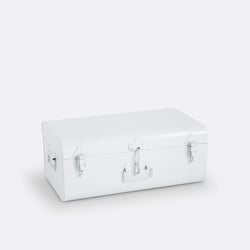
Low-profile boxes are particularly helpful if you need to store dorm bedding during summer break between semesters. A duvet, pillows, mattress topper and spare linen can take over a wardrobe shelf very quickly. Sliding them into lidded boxes under the bed keeps them cleaner and frees up hanging space for clothes. If you choose a design with wheels or cut-out handles, it is easier to pull out when you need to swap lighter bedding for warmer options as the seasons change.
Look for under-bed options that are:
- Wide enough for folded duvets or jumpers
- Low enough to slide in without forcing the lid
- Secure enough to protect contents from dust
- Easy to label so your items stay organised
Stackable boxes for books, tech and move-out days
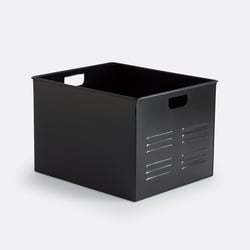
Stackable boxes are one of the most useful choices for a student because they can adapt throughout the year. At the start of term, they can hold kitchen supplies, cleaning products or stationery. During revision season, they can store folders, heavy textbooks and even that extra book pile that no shelf seems able to handle. When it is time to move, those same boxes can help you pack your room quickly.
A good example is when you need to keep textbooks and a mini fridge safe while moving out. Not every storage option is suitable for heavier items, so check the weight guidance before stacking. Smaller boxes are better for books because they stop the load becoming too heavy to lift. A separate, sturdier plastic box can be useful for cables, speakers or kitchen equipment. If your mini fridge is being stored temporarily, it should be cleaned, dried fully and kept upright, with nearby boxes used for shelves, trays and food containers rather than trying to force everything inside the appliance.
Clear boxes can help you see contents at a glance, while opaque ones keep the room looking calmer. If your room has open shelving, matching boxes can also make a visible storage area look tidier without dominating the décor.
Baskets and soft storage for flexible organisation
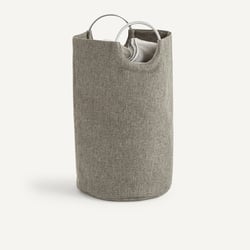
Not everything belongs in rigid plastic. Baskets and fabric storage can be easier to move around a room and are useful for lighter belongings such as throws, spare towels, socks, chargers or beauty products. At La Redoute, our selection includes the Set of 3 Diso Seagrass Basket in Olive Stripe, green, ÉDITÉ, designed for easy, stylish storage around the home. This set of 3 baskets works well for blankets, spare linen and the everyday items you need to tidy away in a student room.
These softer options are especially useful in rooms where built-in storage is limited. One basket can sit beside the desk for papers and notebooks, another on top of the wardrobe for extra bedding, and another near the door for scarves, shopping bags or sports kit. This kind of flexible arrangement can help students keep surfaces clear, which matters when the desk is also where lectures are watched and assignments are written.
Shelving units for vertical storage
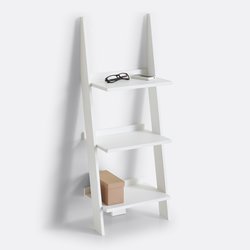
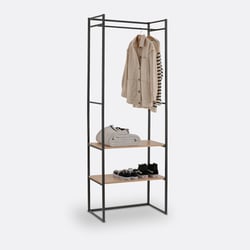
If floor space is tight, think vertically. A slim shelving unit can help you make use of wall height rather than spreading everything across the room. This is useful in university accommodation where the wardrobe is narrow and drawers are limited. A tall, compact unit can hold folded knitwear, folders, toiletries, snacks and cleaning products in separate sections.
In a shared flat, shelving can also create clearer boundaries between your items and everyone else’s. One shelf for breakfast food, one for laundry products, one for study materials: simple, clear and much easier to manage during a busy week. If the shelf is open, add labelled boxes or baskets so smaller belongings do not look messy or fall out when you grab something in a hurry.
How to plan storage by area of the room
One practical way to choose the right storage is to think in zones rather than by product. This helps you match each unit to a real use.
By the bed
This area works well for under-bed boxes, a slim bedside basket or a compact crate for night-time basics. If your room has no bedside table, a small basket can hold a charger, water bottle, tissues and earphones without cluttering the mattress or floor.
At the desk
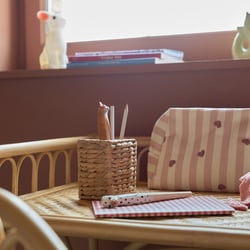
The desk zone needs quick-access storage. Open-top boxes, magazine files and small baskets help keep pens, revision cards, chargers and paper in order. If your course involves a lot of printed reading, desk-side storage can stop piles from spreading onto the chair or bed.
In the wardrobe
Add hanging organisers or shelf boxes if the wardrobe has height but little structure. This is useful for folded tops, accessories and spare towels. If there is room at the bottom, shoes in stackable boxes can help keep the floor clear.
Near the door or as part of a shared bathroom routine
If you carry toiletries to and from a communal bathroom, choose a portable caddy or handled basket. It is much easier than balancing bottles in your arms, and it keeps everything together for early lectures or late-night showers. A small tray or box near the door can also hold keys, ID cards and post, so you are not searching for them when you are already running late.
What size storage should you look for?
Size matters because student rooms often have fixed furniture that cannot be moved. Before buying, measure these four things:
- The width and depth under the bed
- The height of wardrobe shelves
- The floor space beside the desk or chest of drawers
- The top of the wardrobe, if you plan to use it
As a rule, small boxes suit heavy items, medium boxes suit mixed daily storage, and larger soft storage suits lighter but bulkier belongings such as spare duvets or out-of-season coats. If a storage unit is too deep, you may end up forgetting what is at the back. If it is too tall, it can block plugs, radiators or wardrobe doors. A compact room needs practical dimensions, not just extra volume.
It can also help to think ahead to the end of the year. Many students need temporary storage as leases end or halls close. You may want to reserve space for graduation decorations after your campus apartment lease ends, along with kitchenware, spare shoes and notes you are not ready to throw away. Choosing stackable pieces from the start can make that transition simpler, especially if you plan to move belongings home in stages.
What you need to know before buying
How do I choose the right size storage unit?
Start with the space, not the product. In a student room, the right size storage unit is one that fits around fixed furniture and still leaves you room to live, study and move comfortably. Measure the exact area where the unit will go, then compare those figures with the product dimensions. For under-bed storage, check both height and depth. For a shelf or drawer unit, make sure doors, desk chairs and windows can still open properly. A unit that looks compact online can feel oversized in a room where the bed, desk and wardrobe are already close together.
It also helps to match the size of the unit to the type of items you want to store. Heavy textbooks belong in smaller boxes because they are easier to lift and less likely to split. Bulky but light items, such as duvets or winter coats, suit larger storage bags or wide under-bed boxes. Toiletries and daily-use products often work best in smaller baskets that you can grab quickly, especially if you share a bathroom.
Try this simple buying process:
- Measure the available width, depth and height
- List what you need to store in that exact spot
- Choose a unit with a little spare capacity, not double the size
- Check whether it needs a lid, wheels, handles or stacking ability
A common mistake is buying one very large unit for everything. In practice, that can make organisation harder because small items get lost and heavy items become awkward to move. For example, if you are storing spare bedding under the bed and revision notes by the desk, two purpose-led units will work better than one oversized box in the corner. The right size should support your routine, not create a new obstacle.
How does student storage work?
Student storage works by giving you a flexible way to keep your belongings safe and organised through term time, holidays and moving periods. In your room, it usually means using compact units such as baskets, shelving and boxes to make the most of limited space. More broadly, some students also use a storage service when they need to leave accommodation between tenancies or go home for the summer. The key is to choose a method that fits your timeline, your room size and the type of items you need to keep.
During term, the aim is easy access. You want everyday items within reach, occasional items out of the way, and heavier things stored safely. During breaks, the focus changes. You may need to pack up quickly, sort through study materials, and protect items while they are in transit. This is where stackable boxes, labelled lids and compact units really help. For example, if halls close for summer, you can pack clothes in soft bags, place textbooks in smaller boxes, and store spare duvet covers separately so they stay fresh for next term.
Student storage usually works best when you follow a clear routine:
- Sort items into daily, weekly and end-of-term groups
- Use the smallest practical box for heavy items
- Label everything before moving day
- Keep fragile or electrical items in a more secure container
Watch out for two common pitfalls. First, leaving packing until the last day often leads to mixed boxes that are hard to unpack later. Second, using oversized boxes for books or kitchenware can make them too heavy to carry safely. A practical example is moving out of a campus flat: one box for notes and folders, one for kitchen items, one basket for chargers and cables, and one low unit for spare linen. That process saves time, helps protect your items and makes the next university move much more manageable. If you are looking for straightforward ideas rather than a complicated system, simple room-based storage often gives the best results, with free floor space as the main benefit rather than clutter hidden in random corners.