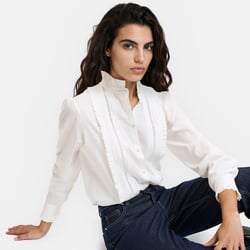
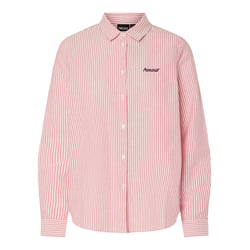
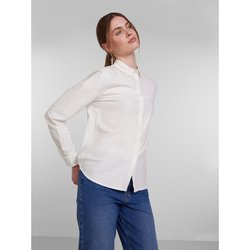
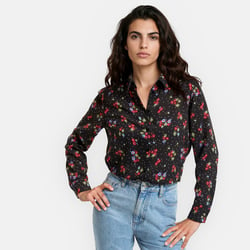
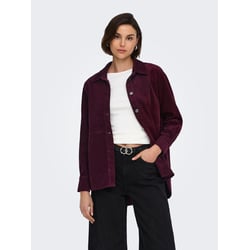
How to choose the right fit, size and fabric
A good shirt earns its place in your wardrobe because it works hard throughout the week. You can wear it tucked into tailored trousers on Monday, open over a vest on Wednesday evening, and loose with denim on Sunday. The key is choosing a style that truly suits your shape, your routine and the way you like to dress. When you are shopping for women's shirts, the best place to start is not colour or trend, but fit, size and fabric.
If you have ever bought a shirt that pulled across the bust, felt tight at the neck, or sat awkwardly on the shoulders, you will know how quickly a promising piece can end up unworn. A shirt should feel comfortable when you sit down, move your arms and fasten every button. That matters whether you are choosing a crisp white style for work, a relaxed linen-feel option for off-duty plans, or a fluid satin design for evenings out.
This guide is here to help you assess the details before you buy: how the cut sits, where the seams should fall, which materials suit your day, and how to use online filters effectively. If you are comparing classic cotton, smooth poplin, glossy satin or a soft printed shirt, a few simple checks can make the choice much easier.
Start with fit: what a well-cut shirt should do
The first thing to check is the shoulder line. On most shirts, the shoulder seam should sit close to the edge of your natural shoulder. If it drops too far down your arm, the shirt can look oversized even if that was not your intention. If it sits too far in, the whole shirt may feel restrictive, especially through the upper back and sleeve.
Next, look at the bust and waist area. A fitted shirt should skim your shape without straining at the buttons. If the fabric opens slightly across the chest when you move, go up a size or try a straighter cut. If you prefer a looser look for everyday wear, a relaxed shirt can give you more room while still looking neat when tucked into jeans or a skirt.
The hem also changes how a shirt works in your wardrobe. A curved hem is useful if you like to wear shirts untucked, while a straighter hem often looks cleaner under knitwear or blazers. For example, if you want to pair a crisp women's shirt with trousers for office meetings, a structured hem and firmer fabric usually hold their shape better throughout the day.
- Shoulders: the seam should sit near the edge of your natural shoulder.
- Bust: buttons should lie flat when you stand and sit.
- Sleeve length: cuffs should reach the wrist bone on a long-sleeved style.
- Hem: curved hems suit untucked wear, while straight hems suit layering and tucking in.
- Back movement: you should be able to reach forward comfortably without pulling.
How to assess size before buying online
When you cannot try several sizes at once, measurements matter more than the number on the label. Start with your bust measurement, then compare it with the brand size guide. For shirts, this is often more helpful than relying on what you usually buy in dresses or knitwear, because woven fabrics have less stretch.
It is also worth thinking about the cut you want. If you are shopping for a tailored shirt in blue, navy or white for work, you may prefer a closer fit through the torso. If you are buying a casual style to wear open over a camisole, you may want a little extra room. That difference can determine whether you stay with your usual size or size up.
It is also worth checking product descriptions carefully. At La Redoute, our selection includes the Long Sleeve Shirt - LA REDOUTE COLLECTIONS, a softly draped shirt that works as an everyday wardrobe staple, especially if you want something gentler than a sharply tailored office shirt. Details such as drape, straight cut or oversized shape give you a more realistic idea of how the garment will sit than the product photo alone.
To narrow down options quickly, use site filters for size, colour, sleeve length and material. If you know you wear shirts most often under jackets, filter for cotton or poplin rather than heavier fabrics. If your wardrobe needs a softer evening piece, try satin or a subtle print. This saves time and helps you compare styles at a similar price point.
Choose the right cut for your routine
Different cuts suit different plans, and taking that practical approach makes shopping easier. A classic straight shirt is often the most versatile option. It works with smart trousers, denim and midi skirts, and it layers neatly under knitwear. If you need one shirt to cover both work and weekend wear, this is usually the safest place to start.
A relaxed shirt gives you more styling options for casual wear. You can wear a linen women's shirt untucked for weekend brunch with wide-leg jeans and loafers, or knot it lightly over a dress on holiday. This shape often feels easier in warm weather because it sits away from the body.
Longline shirts are useful if you like extra coverage with leggings or slim trousers. Cropped shirts, meanwhile, can balance high-waisted skirts and trousers but are less flexible if you need office-ready styling. For transitional dressing, it helps to layer a women's shirt over a tank during cool evenings. In that case, a slightly roomier fit makes layering easier without pulling at the buttons.
If you prefer a more polished look, choose a shirt with darts or shaping through the waist. If comfort comes first, opt for a boxier cut with a dropped shoulder. Neither is better; it simply depends on how you want the shirt to function in your day.
Fabric guide: cotton, poplin, satin and more
Fabric affects comfort, care and the overall look of a shirt just as much as the cut does. If you want a shirt for frequent wear, especially during the working week, cotton is often the easiest choice. It feels breathable, washes well and suits both plain and striped designs. A white cotton shirt or a blue striped version can fill a lot of wardrobe gaps.
Poplin is a smart option if you like a cleaner, crisper finish. It often holds its structure well, which makes it ideal for meetings, presentations or any day when you want your outfit to stay sharp from morning to evening. A poplin shirt in white, pale blue or green can look fresh with tailored trousers and low heels.
Satin creates a softer drape and a dressier finish. If you wear shirts for dinners, events or evening drinks, satin can feel more fluid and refined than cotton. Keep in mind that satin may show fit issues more clearly around the bust, so checking measurements is especially useful here.
Printed shirts add variety, but the scale of the pattern matters. A fine stripe or small printed motif is easy to mix with plain trousers or knitwear. A bolder print in green or navy can become the main feature of your outfit, so the cut should stay simple if you want it to remain versatile.
Colour and pattern: what will you actually wear?
When choosing colours, think about what is already in your wardrobe. If you mostly wear black trousers, denim and beige outerwear, white, blue and navy shirts tend to slot in easily. If your wardrobe is more neutral, a green shirt or a printed style can add interest without feeling difficult to style.
Striped shirts are particularly useful because they sit between plain and statement. A blue and white striped shirt works well for office dressing, while a softer stripe can feel relaxed with denim shorts or linen trousers. If you are choosing your first shirt in a while, a striped option can often be more forgiving than solid white, especially for everyday wear.
For evenings, satin in navy or deep green can work well with dark denim and ankle boots. For daytime, a cotton or poplin shirt usually gives you a cleaner, more practical look. Matching the fabric to the occasion helps you get more wear from the piece rather than saving it for just one type of outfit.
Useful checks before you add to basket
Before buying, pause over a few practical points. Look at the collar shape, cuff detail and button spacing. If you often wear jewellery, a slightly open collar may suit you better than a high, fastened neck. If you roll your sleeves often, check whether the fabric is soft enough to fold neatly.
Price matters too, but it makes more sense to judge value by wear. A shirt you can style for meetings, travel and weekends may justify a higher price than a trend-led top you wear twice. Think about whether it works with the trousers, skirts or jeans you already own. If the answer is yes for at least three outfits, it is more likely to become a regular part of your wardrobe.
If you like browsing by brand, you can also compare cuts across collections such as women's blouses, shirts & tunic tops JDY, women's blouses, shirts & tunic tops Tommy Jeans, women's blouses, shirts & tunic tops Suncoo, women's blouses, shirts & tunic tops Morgan and women's blouses, shirts & tunic tops Tommy Hilfiger. This can help if you already know that one label suits your shoulders, sleeve length or preferred look better than another.
And if you are deciding between shirts and other tops, remember that a shirt often gives you more styling flexibility. You can button it fully, half-tuck it, wear it open over a vest, or knot it at the waist. That makes it one of the hardest-working pieces in many women's wardrobes.
How to choose the right women's shirt for everyday wear
Is a women's size 12 a medium or large?
In many women's clothing ranges, a size 12 is usually considered a medium, but it is not the same across every brand, especially for shirts. Some labels place size 12 firmly in medium, while others position it at the start of large, particularly if the cut is slim or the fabric has no stretch. That is why the most reliable way to choose is to check the specific size guide and the shirt's cut, rather than relying only on the letter size.
For shirts, the fit can change noticeably depending on the fabric and construction. A fitted poplin shirt in size 12 may feel closer through the bust and shoulders than a relaxed cotton shirt in the same size. If you are between sizes, ask yourself how you plan to wear it. For office styling under a blazer, you may want a neat fit that still allows movement when seated at a desk. For casual layering over a tank top during cool evenings, a little extra room can feel more comfortable and look more natural.
Here are a few practical ways to judge whether size 12 will suit you:
- Measure your bust and compare it with the product size chart.
- Check whether the shirt is described as fitted, straight, relaxed or oversized.
- Look at the fabric: woven cotton, poplin and satin usually offer less give than jersey tops.
- Read whether shoppers mention pulling at the buttons or a narrow shoulder fit.
A common mistake is choosing your usual size based on T-shirts or knitwear. Shirts are structured differently, and the button placket leaves less room for error across the chest. Another pitfall is sizing up too quickly without checking the shoulders, because that can leave you with a shirt that fits the bust but looks untidy elsewhere. As a concrete example, if you are buying a white shirt to wear with tailored navy trousers for office meetings, a size 12 medium may be right if the shoulder seam sits correctly and the buttons stay flat when you sit down. If the same shirt is cut slim and you need room through the bust, the better option may be to go up one size and keep the rest of the outfit streamlined.