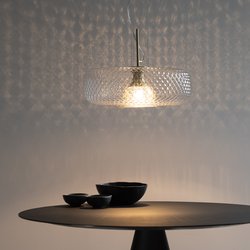
How to choose the right one for your room
When you’re choosing a pendant, the details that matter most are usually the ones you notice every day: how low it hangs, how wide it looks against your table or island, and whether the finish works with the rest of your room. A pendant can give focused task light, soften a bedroom corner, or bring structure to a dining area, but only if its proportions suit the space. Too small, and it disappears into the ceiling. Too large, and it can feel awkward above a compact table or narrow walkway.
This guide is here to help you buy with confidence. We’ll look at pendant height guidance, room compatibility, fixture selection and the practical points that affect daily use. Whether you’re comparing a black metal shade, a clear glass globe, or brass pendants with a warmer look, the aim is simple: help you choose lights that work properly in your home.
Start with the room and the job the light needs to do
The easiest way to narrow your options is to begin with use, not just style. A pendant above a dining table does a different job from one over a bedside table. The same applies to a row of lamps above a kitchen island compared with a single ceiling fitting in a hallway.
Kitchen islands
If you want to illuminate kitchen islands for focused evening meal prep, look for pendants that direct light downwards rather than only glowing outward through an opaque shade. A glass pendant, especially in clear or lightly tinted glass, can spread light across a worktop while still keeping the area open visually. If your island is used for chopping vegetables, checking recipes and serving food, a fitting that leaves dark patches at the edges will quickly become frustrating.
For a long island, two or three pendants usually give better coverage than one oversized light. As a practical guide, leave enough space between each fitting so the pool of light overlaps without the shades looking crowded. Slimline designs in chrome, black or brass often work well here because they keep sightlines open across the room.
Dining tables
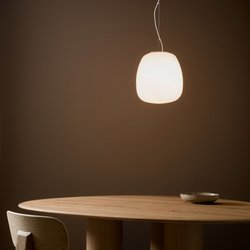
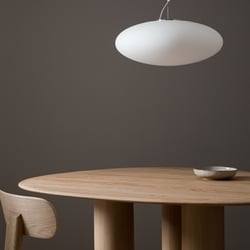
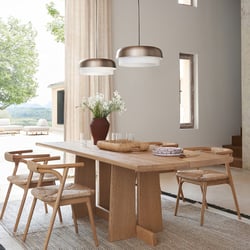
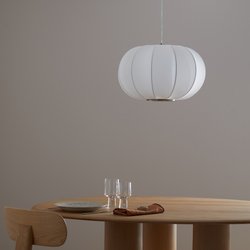
Pendants also work beautifully when you want to brighten dining room tables during family dinners and gatherings. In this setting, height matters just as much as width. The light should sit low enough to create a sense of focus over the table, but not so low that it blocks conversation across the room. A wide shade or grouped pendants can visually anchor the dining area, especially in open-plan layouts where you want the table to feel defined.
If your table is round, a single central pendant often looks balanced. For a long rectangular table, linear pendants or a pair of matching lights tend to suit the shape better. This is where finish becomes practical as well as decorative: antique brass can soften a room with wood furniture, while chrome and clear glass can feel crisp in a more streamlined interior.
Bedside lighting
You can also hang pendants above bedside tables for soft reading light. This is especially useful if you want to free up surface space for books, glasses or a carafe of water. In a smaller bedroom, a pendant on each side of the bed can make the room feel tidier than using table lamps. Just make sure the bottom of each pendant sits high enough to avoid accidental knocks when you sit up, but low enough to give useful light for reading.
A fabric or frosted glass shade can be more comfortable here than a very bright clear bulb, particularly if the light is close to eye level. If you read in bed most evenings, check whether the pendant gives enough directed light or whether you may need to pair it with wall lighting or one of our table lamps & desk lamps elsewhere in the room.
Getting the size right
Scale is often the deciding factor between a pendant that feels considered and one that seems out of place. Before buying, measure the furniture below it, the ceiling height above it, and the open space around it. Those three dimensions will tell you much more than product photos alone.
Width and diameter
For a dining table or kitchen island, the pendant should usually be narrower than the surface below. That keeps the fitting visually centred and stops the light from feeling too dominant. If your table is compact, a very large drum shade may overwhelm the room even if you like the design. On the other hand, a tiny pendant above a generous six-seat table can look underpowered and leave the outer seats in shadow.
In practical terms:
- For a narrow bedside table, choose a compact pendant with a small shade or globe.
- For a round dining table, one medium to large pendant often works better than several small items.
- For a long island, grouped pendants usually provide more even light than one central fitting.
- For a hallway, keep enough clearance so people can move underneath comfortably.
If you’re browsing new in lighting, compare product dimensions against your furniture rather than estimating by eye. This helps you avoid returns caused by a pendant looking much larger or smaller at home than expected online.
Ceiling height
Ceiling height changes everything. In a room with standard ceiling height, a deep pendant with a long drop can quickly feel intrusive if placed in a circulation area. In a room with high ceilings, the opposite problem can happen: a fitting hung too close to the ceiling may look lost and fail to bring the light down where you need it.
If your pendant is going above a table, island or bedside, you have more flexibility because the furniture below naturally defines the zone. If it’s hanging in an open area, keep the bottom high enough for safe movement. This is one of the key rules that affects comfort every day, especially in family homes where people are constantly walking through the room.
Choosing the right hanging height
Among all fixture selection decisions, height is one of the most purchase-critical factors. A beautiful pendant in the wrong position will either glare, obstruct, or simply fail to light the surface properly.
Over a dining table or kitchen island, the pendant should hang low enough to direct light onto the surface but high enough to preserve views across the room. Over bedside tables, the fitting should sit within easy reach of the visual zone without becoming a hazard when getting in and out of bed. In an entrance or passage, the priority is clear headroom.
Adjustable drop lengths are especially useful if you’re unsure. They let you fine-tune the look once the pendant is in place, which can be helpful if your table is slightly taller than average or your island stools change the way the room is used. If you often use the table for homework, board games or sewing as well as meals, getting that hanging height right will make the space much more comfortable.
Which materials and finishes work best?
The finish of a pendant affects more than looks. It can influence brightness, maintenance and how visually heavy the fitting feels in the room.
Glass pendants
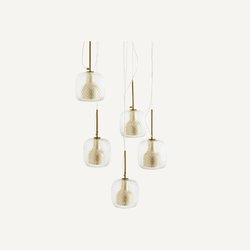
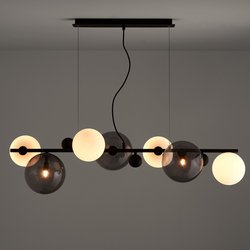
Glass is a strong choice when you want the light to spread easily and the room to feel open. A clear glass pendant is useful above a kitchen island because it won’t block sightlines, and it can help smaller rooms feel less crowded. Coloured glass can soften the effect while still giving a gentle glow. At La Redoute, the Kinoko Ceiling Light in Coloured Glass Ø30.5cm - LA REDOUTE INTERIEURS is one of Lee's signature pieces, created exclusively by our design studio, and it shows how coloured glass can add character without making a compact room feel heavy.
Metal finishes
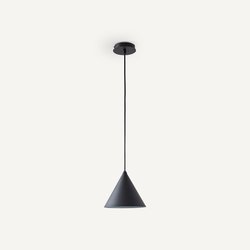
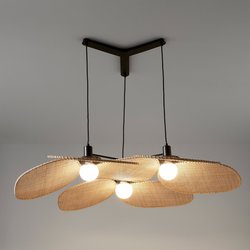
Brass, chrome and black all bring different practical effects. Brass often gives warmth, which can sit well with timber tables, woven textures and antique-inspired furniture. Chrome reflects more sharply and can suit kitchens or dining areas with polished surfaces. Black pendants create definition, especially against pale ceilings, and they can visually frame an island or table with clean lines.
If you’re mixing finishes in one room, repeat at least one element elsewhere so the pendant feels connected. For example, a brass fitting can relate to cabinet handles, while black lamps can echo chair legs or window frames. This makes the choice feel intentional rather than random.
Shade shape and light effect
The shape of the shade influences where the light goes. A wide metal shade tends to direct light downwards, which suits practical tasks. A globe in glass can spread the light more evenly, useful in social spaces. A closed shade may hide the bulb and reduce glare, while an open design can appear brighter but may need more careful bulb selection.
When comparing items during a sale, always check whether the shade shape supports the room’s use. A pendant that looks striking in a product image may not be the best option for reading in bed or preparing food if it sends too much light sideways and not enough onto the surface below.
How pendant style should relate to the room
Style still matters, but it works best when led by use. A regular, softly rounded pendant can suit many rooms because it doesn’t compete with other furniture. More sculptural pendants can be effective where the light is meant to act as a focal point, such as above a dining table. In a busy kitchen with open shelving, several statement fittings may feel too crowded, while a simpler shape in glass or chrome can keep the room calmer.
If you’re browsing lighting SO'HOME or lighting otto studio for am.pm, try thinking in terms of compatibility rather than trend alone. Ask yourself whether the pendant needs to disappear into the room, define a zone, or stand out above a key piece of furniture. That approach usually leads to a better long-term choice than selecting by finish alone.
Seasonal looks can also influence how you layer light. For example, if you already use Christmas lights & string lights in a dining space during winter, a pendant with a softer glow may balance that atmosphere better than a very harsh exposed bulb. And if you’re refreshing several rooms at once, looking at new in lighting alongside your main ceiling choice can help you create a more coherent plan.
Price, value and when to buy
Price should be weighed against where and how often the pendant will be used. A light above your dining table or kitchen island is on display every day and often switched on for long periods, so it’s worth paying attention to dimensions, finish and compatibility rather than buying quickly on looks alone. If you’re shopping in a sale, focus on the practical non-negotiables first: drop length, diameter, bulb visibility, and whether the fitting suits your ceiling height.
To save time and money, make a short checklist before ordering:
- Measure the table, island or bedside width.
- Check the total drop from ceiling to the bottom of the pendant.
- Think about seated eye level if the light will hang above dining or bedside areas.
- Choose a finish that connects with existing hardware or furniture.
- Confirm whether one pendant is enough or whether multiple lights are needed.
This is especially useful if you’re comparing several lamps or pendants at different price points. A lower price can be appealing, but the wrong scale or hanging height often leads to disappointment once the fitting is installed.
What you need to know before buying
What are the rules for hanging pendant lights?
The main rules for hanging pendant lights are about clearance, proportion and purpose. In simple terms, the pendant needs to hang at a height that suits the activity below it, while leaving enough room for safe movement and a comfortable line of sight. The exact position depends on whether the light is above a dining table, a kitchen island, a bedside table or an open walkway.
Over a dining table, the pendant should sit low enough to focus the light on plates, serving dishes and conversation, but not so low that it blocks the view of the person opposite. In a kitchen, the same principle applies to islands used for chopping, mixing and serving. You want strong usable light on the worktop, especially for evening meal prep, without the fitting becoming intrusive. In a bedroom, bedside pendants need to support reading and create a softer glow, while staying clear of head movement when you sit up.
Keep these practical rules in mind:
- Hang lower over furniture than in open circulation areas.
- Check sightlines when seated at a dining table or in bed.
- Avoid placing the bottom of the pendant where people may walk into it.
- Use multiple pendants over long surfaces rather than forcing one fitting to do all the work.
A common mistake is choosing by style alone and ignoring the drop length. For example, a striking antique brass pendant may look ideal online, but if it hangs too low above a compact breakfast bar, it can interrupt conversation and feel awkward every day. Another pitfall is using a clear glass pendant with a very bright exposed bulb at bedside height, which may cause glare when you’re reading. The best results come from matching the hanging rule to the room’s actual use.
How to pick the right pendant light?
To pick the right pendant light, start by asking what the light needs to do in that exact spot. This sounds obvious, but it prevents the most common buying errors. A pendant above a dining table should define the table and light meals clearly. A pendant over an island should support tasks such as chopping and plating. A bedside pendant should free up surface space and give enough light for reading without feeling harsh.
Once you know the use, work through four buying points: size, drop, material and finish. Size should relate to the furniture below, not just the room in general. Drop should suit the ceiling height and leave practical clearance. Material affects how the light spreads: glass often feels lighter visually and can distribute light well, while metal shades can direct it more precisely. Finish should connect to the room, whether that means black for definition, chrome for a cleaner look, or brass for warmth.
Here’s a simple way to decide:
- For kitchen islands: choose pendants that give focused downward light and enough coverage across the work surface.
- For dining tables: match the pendant width to the table shape and keep the hanging height comfortable for conversation.
- For bedside use: go for compact pendants with a softer light effect and careful placement.
A practical example: if you have a long oak dining table in an open-plan room, a pair of brass or black pendants may define the dining zone better than one small central light. If you have a compact bedroom with narrow bedside tables, hanging pendants can be more useful than table lamps & desk lamps because they keep the top surface free. The right choice is the one that suits the room’s dimensions and daily routine, not simply the latest style.