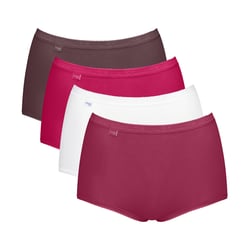
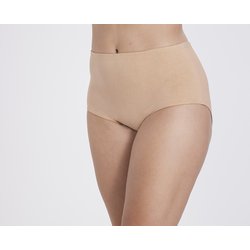
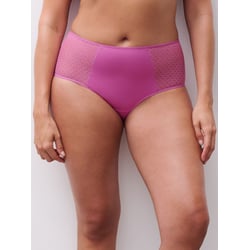
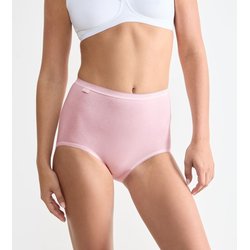
Choose the right full brief
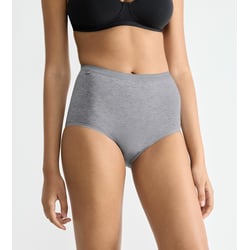
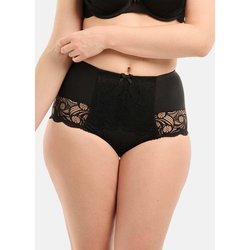
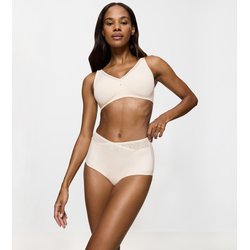
When you want underwear that feels secure from morning to night, women’s full briefs are often the first style to consider. They are designed for full coverage underwear, with more fabric at the front, back and sides than lower-cut knickers. That extra coverage can make a real difference during a busy day: less shifting under clothes, a smoother fit at the waistband and a more reassuring feel when you are sitting, walking or moving between work, home and everything in between.
If you are comparing styles, the key points are simple: coverage, rise and fabric. A full brief can sit at a mid-rise or full-rise position, and that changes how it feels on your body. Some women prefer a brief that reaches just below the navel for everyday wear with jeans or skirts. Others choose a higher shape for more hold across the tummy, especially under fitted outfits or during long office workdays. The right choice depends less on trends and more on how you dress, how you move and what feels comfortable for your shape.
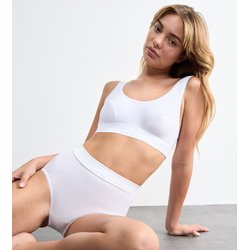
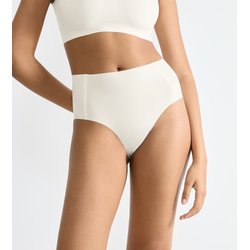
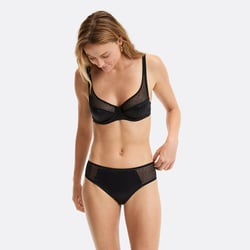
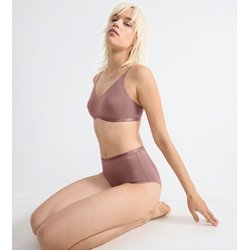
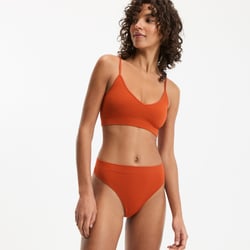
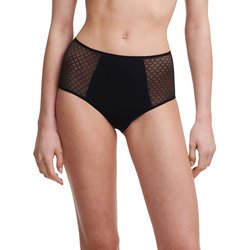
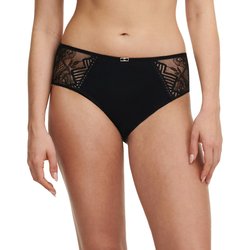
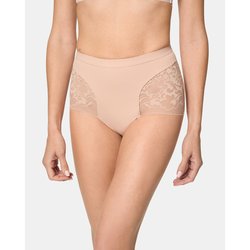
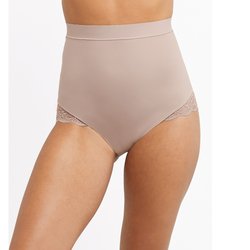
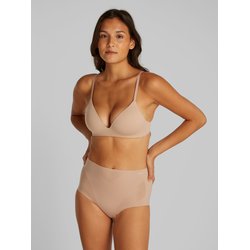
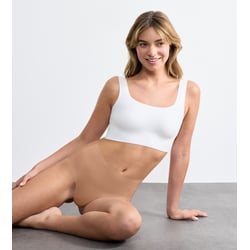
At La Redoute, our selection includes Zero Feel 2.0 Full Knickers - SLOGGI, and these new Zero Feel high waist knickers offer invisible, seamless comfort in a contemporary cut and an all-new, super-soft microfibre fabric. That kind of design is useful when you want a smooth line under close-fitting clothes without the edge of the brief showing through.
What makes full briefs different?
A full brief gives more coverage than many other styles, but that does not mean it has to feel bulky. In practice, a good pair should sit flat, stay in place and cover the bottom fully without digging into the leg line. If you have ever spent the day adjusting your underwear because it rides up or rolls down, you will know why this matters.
The main features to compare are:
- Back coverage that fully covers the bottom for a secure fit.
- Rise height, from mid-rise to full-rise, depending on where you want the waistband to sit.
- Fabric feel, such as cotton for breathable everyday wear, bamboo for a softer drape, or microfibre for a smoother finish.
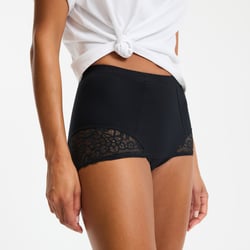
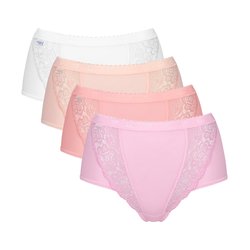
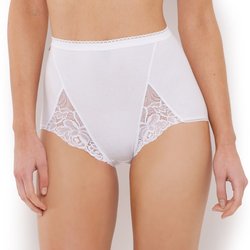
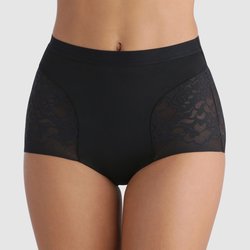
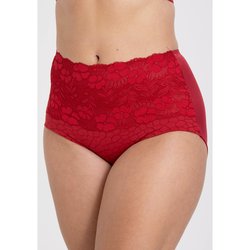
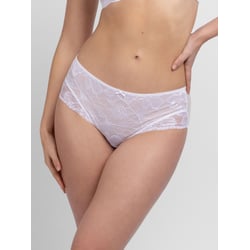
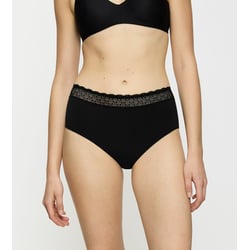
- Waist and leg edges, which can be seamless, elasticated or trimmed with lace.
- Practical details, including stretch, gusset softness and whether the brief comes as a single pair or in a pack.
If you usually wear lower-rise knickers, a full brief may feel more supportive straight away. If you already like more coverage, then the differences between styles will come down to the finer details: how high the waistband sits, whether the leg opening stays flat and whether the fabric keeps you comfortable all day.
Coverage: how much do you actually need?
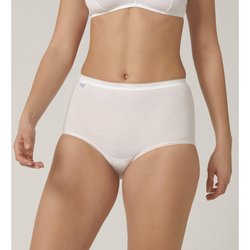
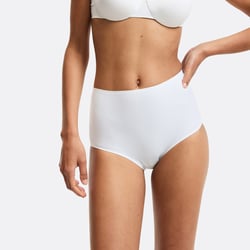
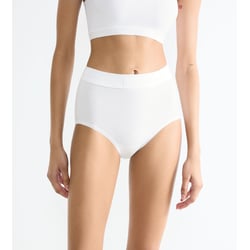
Coverage is often the main reason women choose full briefs. If you want a style that feels secure under dresses, tailored trousers or knitwear, this cut can be easier to wear than a lower brief. For example, when wearing under fitted dresses for full coverage and no lines, a seamless full brief in black or white can sit flatter than a style with thicker seams or decorative edging. If your dress is made from jersey or ribbed fabric, visible lines are more likely, so a smooth finish becomes especially useful.
Think about your day as well as your outfit. If you are often sitting for long periods, travelling, or moving between meetings, more coverage around the waist and back can help the brief stay in place. During colder months, some women also prefer a fuller shape under knitted skirts or trousers simply because it feels more secure and less exposed.
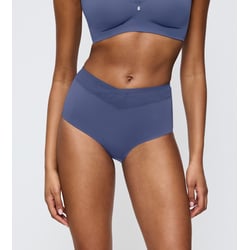
Colour can play a part too. A nude tone may disappear under pale clothes, while black can be practical for daily rotation. White can work well under thicker fabrics, and many women like to keep a few options ready depending on what they are wearing. If you enjoy variety, you might also add blue knickers to your drawer for darker outfits or for days when you want a change from neutral shades.
Mid-rise to full-rise: finding the right waistband height
The rise of a brief affects comfort more than many shoppers expect. A mid-rise style usually sits below or around the lower tummy. It suits many everyday outfits, especially standard-rise jeans, skirts and trousers. A full-rise or high waist style reaches closer to the navel or above it, depending on the cut. This can feel more supportive if you like a smoother line through the middle.
Mid-rise to full-rise is the most useful way to compare full briefs because it helps you match your underwear to your wardrobe. If you wear high-waisted trousers or dresses that skim the body, a higher brief often gives a neater result. If you prefer lower waistbands in your clothing, a mid-rise full brief may be easier to wear without the top edge showing.
Choosing high-rise comfort briefs during long office workdays is a common reason to move towards a fuller cut. When you are seated at a desk for hours, a waistband that sits higher can feel less restrictive than one that cuts across the lower stomach. The best test is practical: sit down, bend forward and walk around. If the waistband folds, rolls or presses too firmly, try a different rise or go up a size.
Fabric choices for everyday comfort fit
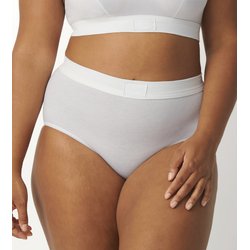
Fabric changes the whole experience of wearing full briefs. If your priority is breathable daily use, cotton is often the first choice. It feels familiar, easy to wash and comfortable in changing temperatures. Many women keep several cotton knickers for weekday wear because they are reliable under workwear, denim and casual dresses.
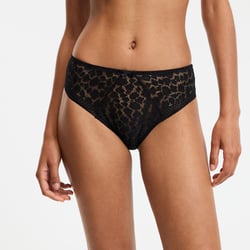
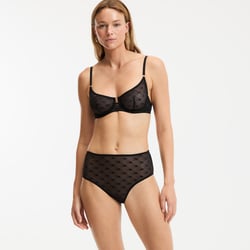
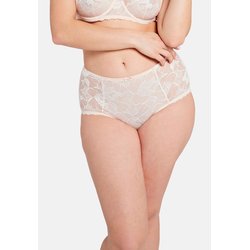
Bamboo can feel especially soft against the skin and may suit you if you like a smoother, lighter fabric with gentle stretch. Microfibre is often chosen when you want an invisible finish under fitted clothes. Lace can add a lighter look at the edges, but it is worth checking whether the trim lies flat under clothing or creates a line.
When comparing materials, think about where and how you will wear them:
- For daily errands, commuting and home wear, cotton is often the easiest option.
- For close-fitting outfits, seamless microfibre can help create a smoother look.
- For warmer days or sensitive skin, soft bamboo blends may feel gentler.
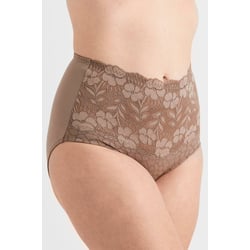
- For a more decorative finish, lace panels can give shape without changing the full brief cut.
Using soft full briefs for breathable everyday pregnancy support is another practical example. During pregnancy, many women prefer a brief with a soft waistband, flexible stretch and full back coverage that does not dig in when sitting or walking. In that case, the best fabric is usually one that feels gentle over long hours rather than one chosen only for appearance.
How to compare fit, size and hold
A good fit should feel secure, not tight. If your full briefs leave deep marks at the waist or legs, the size may be too small or the cut may simply be too firm for your shape. If they shift during the day or the fabric gathers at the back, they may be too large. The right size should sit close to the body while still allowing you to move comfortably.
It helps to compare:
- The stretch of the waistband.
- The height of the rise.
- The cut around the legs.
- Whether the back gives full coverage without riding up.
- Whether you prefer a firmer or softer hold across the tummy.
If you like more support through the middle, you may also browse tummy control knickers alongside classic full briefs. They are not the same product, but they can be useful if your main goal is a firmer feel under occasionwear. For everyday comfort fit, though, many women still prefer a standard full brief because it gives coverage without the tighter structure of shaping underwear.
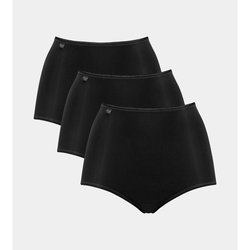
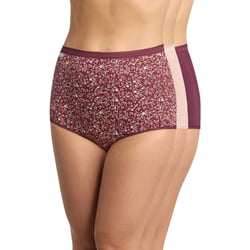
Buying a pack can be practical when you already know the shape suits you. It is often the easiest way to refresh your weekly essentials in black, white or a soft colour mix. If you are trying a new brand or fabric, starting with one brief first can help you check the fit before committing to multiple pairs.
Matching full briefs to your wardrobe
Full briefs are often chosen for what they do under clothes rather than how they look on the hanger. That is why it helps to think about your usual outfits. Under slim trousers or pencil skirts, a seamless brief can reduce visible edges. Under looser clothing, such as white tummy control pants, you may simply want the reassurance of full coverage and a waistband that stays flat.
If you wear pale fabrics, white knickers or skin-tone styles may be useful depending on the thickness of the garment. Under darker clothing, black remains a straightforward choice. Some women also like a softer look with muted colour options rather than only neutrals, especially if they are buying a new multipack for everyday use.
Style still matters, of course. A maxi brief can have a very simple finish or include lace panels for a lighter appearance. The best option is the one that suits your clothing and routine. If you only choose by appearance, you may end up with a brief that looks nice but spends most of its time in the drawer because it does not feel right after a few hours of wear.
What to check before you buy
Before adding a pair or a pack to your basket, it helps to run through a few practical points. This saves you from buying knickers that seem fine at first glance but do not suit your daily routine.
- Check the rise: mid, high or full-rise can feel very different once on.
- Read the fabric composition: cotton, bamboo, microfibre and lace trims all wear differently.
- Think about your clothes: fitted dresses, office trousers and casual denim may call for different finishes.
- Look at the leg line: a flatter edge usually works better under clingy fabrics.
- Use customer rating as a clue: repeated comments about rolling, riding up or softness can be very helpful.
A strong rating does not replace your own fit preferences, but it can tell you whether a brief tends to come up small, feel very stretchy or work well for long wear. That is especially useful when you are buying online and cannot check the fabric in person.
What you need to know before buying
What are the best women's full briefs?
The best women’s full briefs are the ones that match your body shape, your usual clothes and how you want your underwear to feel across a full day. For some women, that means a cotton brief with a mid-rise waist for daily wear under jeans and skirts. For others, it means a high waist seamless style that disappears under a fitted dress or smooths the line under work trousers. There is not one single best brief for everyone; the best choice is the one that gives secure coverage without pinching, rolling or riding up.
To narrow it down, compare these points first:
- Choose cotton if breathability and easy everyday wear matter most.
- Choose seamless microfibre if you want fewer visible lines under close-fitting clothes.
- Choose a high or maxi cut if you prefer more tummy coverage.
- Choose a softer waistband if you sit for long hours or want gentler hold.
A common mistake is buying only by style name. Two full briefs can both be labelled full coverage, but one may be mid-rise and another fully high waisted. That changes the fit completely. Another pitfall is choosing a size down in the hope of more support; this usually causes digging at the legs and a waistband that rolls. A practical example: if you wear fitted office dresses from Monday to Friday, a smooth black or white brief with flat edges will probably work better than a lace-trimmed pair with thicker seams. If you mainly want weekend comfort, a soft cotton option may be the better buy. The best brief is not the fanciest one; it is the pair you reach for again because it feels right from morning until bedtime.
When to wear full briefs?
You can wear full briefs whenever you want more coverage, a steadier fit and a more secure feel than lower-cut knickers usually give. They are especially useful on days when comfort matters for hours at a time. This includes workdays spent mostly seated, travel days, busy weekends, and times when your clothes are more fitted and you want underwear that stays put.
They are often a good choice in these situations:
- Under fitted dresses when you want full coverage and fewer visible lines.
- During long office workdays when a high-rise waistband feels more comfortable while sitting.
- For everyday pregnancy support when you want soft coverage that does not press too firmly.
- Under high-waisted trousers or skirts where a fuller rise sits more naturally.
One thing to avoid is assuming full briefs are only for certain ages or only for basic outfits. In reality, they are simply practical underwear with a cut that suits many wardrobes. For example, if you are wearing one of your cotton wrap dresses for a day at work followed by dinner out, a seamless full brief can be more reliable than a lower style that shifts as you move. Another common mistake is saving fuller styles only for home. Many women find they actually prefer them under tailored clothing because the extra back coverage helps the brief stay smooth. If your day involves lots of sitting, walking, bending or layering, this is exactly when full briefs tend to earn their place in your drawer.
Are full briefs comfortable?
Yes, full briefs can be very comfortable, especially if you choose the right rise, fabric and size for your body. Their main comfort advantage is coverage: they support more of the waist and bottom, so they often move less during the day than skimpier shapes. That said, comfort depends on the details. A full brief that is too tight at the legs or too high for your preferred clothing can feel awkward, while a well-cut pair can feel almost unnoticeable.
The most comfortable styles usually have:
- A soft waistband that stays flat without folding.
- Enough stretch to move with you when sitting or walking.
- Full back coverage that does not ride up.
- A fabric suited to your day, such as cotton for regular wear or bamboo for a softer feel.
A pitfall to avoid is confusing firm support with comfort. Some women buy a very tight brief expecting it to feel more secure, but after a few hours at a desk or in the car, that pressure can become irritating. Another issue is choosing decorative lace around the legs when you mainly wear fitted fabrics; if the trim is not flat, you may notice it through your clothes and feel it against the skin. A practical example: if you need underwear for a full workday, school run and evening errands, a soft high-rise brief in the correct size will usually feel more comfortable than a lower-cut style that needs adjusting. Comfort is not only about softness; it is also about whether the brief stays where you want it, keeps a smooth look and supports your routine without distraction.