Choose the right one for warmth, fit and everyday comfort
A grey dressing gown earns its place in your wardrobe by doing one thing very well: keeping you comfortable when the house feels cool and you want an easy extra layer. Whether you are wrapping up after a shower on chilly mornings or keeping warm during late-night reading before bed, the right gown depends less on trends and more on fit, fabric and how you actually use it at home.
If you are shopping for grey loungewear, start with practical questions. Do you want a robe that slips on over pyjamas without feeling bulky? Do you need a hooded style for damp hair after bathing? Are you looking for towelling for post-shower use, or a sherpa finish for colder days? These details matter because they affect how warm, absorbent and easy to wear your dressing gown feels from morning to night.
In this guide, we focus on fit advice to help you choose a gown that suits your size, your routine and your preferred silhouette. A good choice should feel soft, close easily at the waist and give you enough room to move while making breakfast, answering the door or wearing it while sipping tea beside the bedroom window.
Start with fit: the part that changes comfort most
When buying a dressing gown, fit should come before colour. Grey is a versatile shade, but the comfort of your gown depends on measurements, cut and length. A robe that is too tight across the shoulders can feel restrictive when layered over nightwear. One that is too large may slip at the neckline, drag at the hem or feel heavy after washing.
Look closely at the product details for chest width, sleeve length and total length. These three points tell you far more than a simple small, medium or large label. If you are between sizes, think about how you will wear the gown:
- Over light pyjamas: your usual size is often enough.
- Over thicker sleepwear or knitwear: a little extra room can help.
- After a shower: you may prefer a slightly looser robe for easy wrapping and airflow.
- For sitting and reading: a longer cut can help keep your legs warmer.
Short gowns are useful if you move around a lot in the morning and do not want fabric around your calves. Mid-calf styles are often the easiest all-round option because they provide warmth without feeling cumbersome. Full-length gowns suit colder homes and winter days, but check that the hem will not catch under your feet on the stairs.
Which material suits your routine best?
The fabric of a dressing gown determines whether it feels absorbent, fluffy, lightweight or insulating. If you want soft homewear that fits easily into your daily routine, match the material to the moments when you will use it most.
Cotton for breathability and easy everyday wear
Cotton dressing gowns are a reliable option if you want comfort without too much heat. They breathe well, feel pleasant against the skin and are often easier to wear across different seasons. If you tend to feel warm indoors, cotton can be more practical than heavier fleece styles. It also works well if your gown is part of your morning routine while making coffee, opening windows or doing a little work from home before getting dressed.
A lighter cotton robe is especially useful in spring or in homes with steady heating. If the fabric has a towelling texture, it can also help absorb moisture after bathing.
Towelling for after-shower use
Towelling gowns are designed with absorbency in mind. If your main use is stepping out of the shower and drying off while your skin cream sinks in, this is often the most practical choice. Towelling can feel slightly heavier than smooth cotton, but that weight often adds a reassuring feel on cold mornings. Look for a belt that sits securely and sleeves that are not too wide, so they stay out of the way while you brush your teeth or dry your hair.
Sherpa for extra warmth
Sherpa styles are ideal if warmth is your top priority. They are especially good for winter evenings, draughty bedrooms and late-night reading. The texture traps heat well, making it a strong choice if you often reach for an extra blanket on the sofa. A sherpa gown can feel cosier than cotton, but it may be too warm for some people straight after a hot shower. In that case, you might prefer to keep sherpa for evenings rather than mornings.
Should you choose a hooded dressing gown?
A hooded dressing gown can be very useful, but only if it suits your habits. If you wash your hair in the morning, a hood adds warmth around your head and neck while you get ready. It can also make a robe feel more enveloping on cold days. For anyone walking from bathroom to bedroom in a cooler house, this extra coverage can make a real difference.
That said, a hood adds weight at the back. If you mainly wear your gown while sitting down to read or doing your skincare, a shawl collar may feel lighter and neater. Think about whether you want your robe for moving around or for settling in one place. If you often wear it for a short time after bathing, hooded gowns are usually worth considering. If you prefer a simpler silhouette under a blanket on the bed or sofa, a collar-only style may suit you better.
Silhouette, fastening and sleeve shape: small details that matter
Silhouette affects comfort more than many shoppers expect. A wrap robe is the classic option because it adjusts easily at the waist. This is helpful if your shape changes depending on what you wear underneath. Look for internal ties as well as an outer belt, as they help the gown stay closed while you move around the house.
Sleeves are another practical point. Wide sleeves can feel airy and relaxed, but they are less convenient when washing your face, making toast or carrying laundry. More tapered sleeves are easier for everyday use. If you are choosing a gown for regular mornings, this one feature can make the difference between a piece you wear daily and one you leave hanging on a hook.
Pockets are worth checking too. Deep pockets are useful for tissues, lip balm, your phone or cold hands. If you spend slow weekend mornings at home, they make your dressing routine much easier.
Why grey works so well in homewear
Grey is popular because it feels calm, practical and easy to live with. It pairs naturally with most pyjamas, slippers and bedding, whether your home style leans classic or modern. A grey gown sits comfortably in the room without looking stark, and it also works well with the rest of your wardrobe when you are getting ready for the day ahead.
For many shoppers, grey loungewear also feels easier to wear regularly than very pale shades that show marks quickly. If you are using your robe after showering, while applying body lotion or while carrying a morning drink, a mid-grey tone can be especially practical.
How to read reviews and product details before buying
Before adding a gown to your basket, spend a minute reading the reviews and the full product page. A good review often tells you whether the fabric feels thick or light, whether the sleeves come up long or short, and whether the stated size runs generous or narrow. This matters because homewear comfort is very personal, and real-life feedback helps you judge what the photos cannot show.
Use the reviews to answer practical questions:
- Does the robe feel warm enough for winter?
- Does the belt stay in place?
- Is the fabric still soft after washing?
- Does the gown feel bulky or easy to move in?
- Is the length suitable for shorter or taller shoppers?
Also read the product details for fibre content, care instructions and measurements. A dressing gown that looks plush online may be lighter than expected, while one described as towelling may be exactly what you need for post-shower comfort. If fast delivery matters because you need a new gown for colder weather or a trip away, checking stock and dispatch times can help you avoid disappointment.
Practical matching ideas for your wardrobe and home
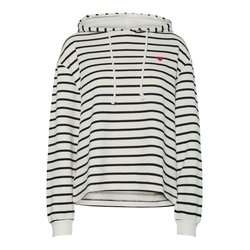
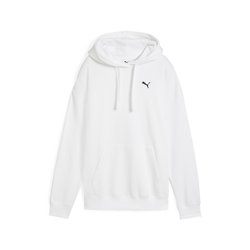
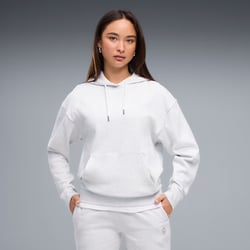
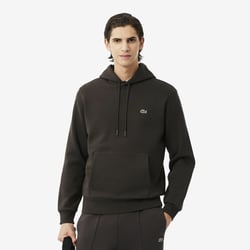
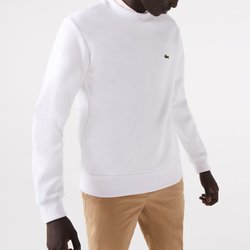
Your dressing gown does not need to match everything, but it should sit naturally with the pieces you wear around the house most often. If your casual wardrobe includes sporty layers such as hoodies or sweatshirts, you may prefer a robe with a clean, simple shape rather than anything overly bulky. This keeps your homewear routine easy, especially on slower mornings when you move from sleepwear to daywear in stages.
At La Redoute, our selection also includes easy everyday separates that reflect this relaxed approach.
What to look for if you want one gown for many days of use
If you plan to wear your dressing gown most days, aim for a balanced option rather than an extreme one. Very thick gowns can feel lovely in winter but too warm in a heated home. Very light gowns may be pleasant in summer but not enough when temperatures drop. For all-round use, many shoppers do well with a mid-weight cotton robe or a soft brushed style that gives warmth without too much bulk.
Here is a simple buying checklist:
- Size: enough room for layering, but not so much that it slips open.
- Length: short for easy movement, mid-calf for versatility, long for extra warmth.
- Material: cotton for breathability, towelling for drying off, sherpa for cold evenings.
- Silhouette: wrap style with secure ties for adjustable comfort.
- Use: morning shower, bedroom reading, or general lounging at home.
When you focus on use first, the right grey gown becomes easier to spot. The best one is not simply the fluffiest or longest. It is the one that feels comfortable in your real routine, whether that means drying off quickly, staying warm before bed or adding a soft layer as you ease into the day.
How to choose your dressing gown
How do I choose the right size dressing gown?
Choose the right size dressing gown by starting with your usual clothing size, then checking the actual measurements on the product page. A gown should wrap across the body easily, tie without pulling and leave enough room for whatever you wear underneath. If the robe feels tight across the back or chest, it can become uncomfortable as soon as you sit down with a book or lift your arms to dry your hair. If it is too large, the shoulders may drop, the sleeves may get in the way and the belt may not sit neatly at your waist.
The easiest way to decide is to think about use. If you want a dressing gown for wrapping up after a shower on chilly mornings, a slightly relaxed fit can feel more comfortable because it slips on quickly over damp skin. If you want it mainly for keeping warm during late-night reading before bed, you may want enough room for pyjamas or a vest underneath, but not so much fabric that it bunches when you sit.
- Check chest, length and sleeve measurements, not just the label.
- Think about layering: light sleepwear needs less extra room than thick pyjamas.
- Consider height as well as size, especially for full-length gowns.
- Read review comments for clues about whether the fit runs small or generous.
A common mistake is sizing up too much for comfort. In practice, an overly loose gown can feel less warm because it does not sit close enough to the body. For example, if you are between sizes and want a cotton robe for everyday home use, choose the size that gives easy movement through the shoulders and arms rather than simply the biggest fit available. That usually leads to better comfort over time.
Should a dressing gown be oversized?
A dressing gown does not need to be oversized to feel comfortable. In most cases, the best fit is gently relaxed rather than very large. You want enough room to move, sit and layer, while still keeping enough shape for the robe to stay closed properly and hold warmth close to the body. An oversized gown can seem appealing when you picture a cosy evening at home, yet too much fabric often creates practical problems: sleeves dip into the sink, the neckline shifts open, and the hem can drag if you walk up stairs or across a bedroom rug.
The better question is how much ease you need for your routine. If you wear your gown for a few minutes after showering, a little extra room is useful for quick wrapping and comfort. If you wear it while sipping tea beside the bedroom window or doing skincare before bed, a neater fit may feel easier and less bulky. A sherpa style already has volume because of the fabric, so going very oversized can make it feel heavy. A lighter cotton robe can usually take a little more ease without losing shape.
- Choose relaxed, not excessively large, for daily use.
- Match the fit to the fabric: bulky materials need less extra room.
- Check sleeve width and gown length if you are tempted to size up.
- Think about whether you mostly sit, walk or get ready in it.
One pitfall to avoid is assuming oversized always means warmer. A robe that fits well often feels warmer because it sits closer at the neck, waist and chest. For example, if you want a hooded gown for cold mornings, your usual size with a comfortable wrap is often more effective than going up two sizes. You still get softness and ease, but with better hold, better coverage and less fuss in everyday wear.