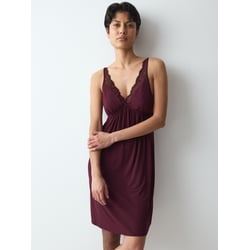
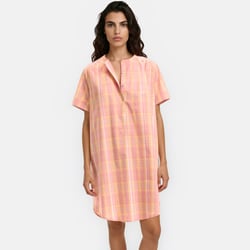
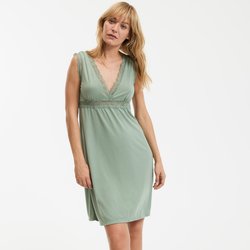
Nightwear comfort with shirt-dress ease
A red shirt dress can bring the familiar ease of a button-through shirt to your evening routine. If you like nightwear that gives you room to move, the shirt-dress silhouette is worth considering: an easy body, an adjustable neckline and a hem that offers more coverage than separate tops. For reading in bed, making your first cup of tea or settling down after a late shift, those details have practical benefits. Start with a design intended for sleep, then check its fabric, fit, length and care instructions before choosing your size.
At La Redoute, we suggest looking beyond the colour first. A rich red nightdress might catch your eye, but the way it feels against your skin matters more when you are turning over at night. Buttons, seams and sleeve cuffs deserve as much attention as the shade. The best choice for you is one that suits your sleeping habits without needing constant adjustment.
Start with a shirt dress designed for bedtime
Day dresses and nightdresses can share a collar, a button front and a loose outline, but they are not necessarily interchangeable. A daytime shirt dress may have a structured waistband, substantial buttons or firm seams that feel uncomfortable when you lie on them. A nightwear version should prioritise easy movement and comfortable contact with your skin. Check that the product description identifies the garment as nightwear, rather than assuming that every relaxed shirt dress will work for sleep.
Look closely at the front fastening. Small, smooth buttons are generally less noticeable beneath bedding than large decorative ones. A soft collar can sit comfortably around your neck, while a stiff collar may fold awkwardly beneath your cheek. If you sleep on your side, consider the placement of pockets and any raised trim: a detail that looks appealing in a photograph can become irritating when pressed beneath your hip.
Useful details for your evening routine
- Choose an opening that lets you change easily without pulling a narrow neckline over your head.
- Check that the button placket lies flat when you sit, rather than opening between fastenings.
- Look for smooth internal seams, especially around the shoulders and underarms.
- Consider whether cuffs will stay clear of water when you wash your face before bed.
- Avoid trailing ties or bulky belts if you intend to sleep in the dress.
Check the fabric before choosing your red nightdress
Fabric composition gives you a useful starting point, although weave, thickness and finishing also affect how a garment feels. Cotton jersey usually offers some give, which can help when you bend your knees or stretch your arms overhead. Woven cotton has a different feel: it may feel crisp when new and needs enough room in the cut because it generally stretches less. Read the composition and fabric description together rather than choosing by fibre name alone.
Viscose often has a fluid drape that follows your movements, while a cotton blend may combine a familiar feel with different care requirements. Neither description guarantees that a particular dress will suit you. If you tend to wake feeling warm, check whether the material is lightweight and whether the fit allows air to circulate. If your bedroom is cool, a slightly more substantial fabric and a long sleeve may feel more comfortable during your pre-bed reading.
Use the fabric description to match the nightdress to your sleeping temperature. For example, someone who sleeps beneath a thick duvet may prefer a lighter garment than someone who uses a thin blanket. Product photographs can help you assess drape, but they cannot reliably tell you whether the surface will feel smooth, brushed or textured.
Colour and print without extra fuss
A plain red design makes it easier to see details such as piping, buttons and pocket placement in product images. A floral print can be equally practical, provided the fabric and construction meet your needs. Zoom in to check whether decorative elements are printed onto the material or added as raised stitching. If you are sensitive to textured finishes, a smooth printed surface may be more comfortable than embroidered decoration against your skin.
Find a fit that works when you sit, stretch and sleep
Nightwear sizing should account for movement, not just your standing measurements. Compare your bust, waist and hip measurements with the product size guide, then check any garment measurements provided. A loose-looking photograph is not enough to establish fit, particularly if the model is wearing a different size from yours. Collections for women can vary in cut, so use the guide attached to the specific item rather than relying only on your usual label.
Allow room across the shoulders, bust and hips without choosing excess fabric unnecessarily. A dress that is too narrow can pull across the button front when you curl up. One that is much too large may bunch beneath your back or twist around your legs. If you fall between sizes, consider the fabric's stretch and the stated fit before deciding; automatically sizing up is not always the most comfortable answer.
A simple movement check at home
When trying on your nightdress, keep any required labels attached and follow the retailer's returns conditions. Sit on the edge of your bed, reach forward as though picking up a book, and lift your arms gently. The shoulders should not tug sharply, and the front should remain comfortably closed. Bend your knees while seated to see whether the hem restricts you. This short check is more useful than judging the fit only in a mirror.
Pay particular attention to sleeve shape. A narrow armhole can feel restrictive even when the body is roomy. Full sleeves offer space, but very wide cuffs may get in the way while brushing your teeth or preparing breakfast. If the design has cuff buttons, check that you can fasten them comfortably without leaving a tight band around your wrist.
Choose a length that suits your nights and mornings
The right length depends on your height, how much coverage you prefer and how you move in bed. A shorter red nightdress may be easier for someone who dislikes fabric around their knees. A midi style offers more coverage when you sit down for breakfast, though its hem may feel restrictive if the cut is narrow. Check the listed measurement and, where available, the model's height to estimate where the dress will fall on you.
Look at hem width as well as hem length. A longer garment with enough room through the skirt can be easier to move in than a shorter, close-fitting one. Side openings may help you take a comfortable stride, but check their height if coverage matters to you. For trips between the bedroom and bathroom, make sure the hem clears the floor without needing to be held up.
Keep nightwear and daytime dressing distinct
A shirt-dress shape works for more than one occasion, but the intended use should guide your purchase. If you want to wear a red shirt dress to brunch with white trainers, choose a daytime design with suitable coverage in daylight. Check it while seated as well as standing, especially around the button front. Your sleepwear does not need to double as an outfit simply because the silhouette looks similar.
For another daytime option, pair a red shirt dress with sandals for weekend errands. A secure fastening and a hem that allows you to climb steps matter when you are carrying shopping. Reserve delicate or very lightweight nightwear for home if it becomes sheer in sunlight. Similarly, a structured dress chosen for a party may look appealing but have a waistband or trim that makes it unsuitable for sleeping.
At La Redoute, our LA REDOUTE COLLECTIONS Linen Long Sleeve Shift Maxi Shirt Dress in black features a straight cut and minimalist styling. This provides a useful daytime comparison when browsing shirt-dress shapes, rather than a reason to treat a linen maxi dress as nightwear. For your red bedtime option, return to the product's stated use, fabric feel and freedom of movement.
Check care instructions before the first wash
A nightdress that suits your routine should also fit your laundry habits. Read the care label before buying where that information is available, and check it again before washing. Some garments can go into a regular machine cycle; others require a gentler programme or different drying method. Follow the garment's specified washing temperature and drying instructions rather than assuming that all cotton or viscose pieces need the same treatment.
With a red garment, follow any instruction to wash separately or with similar colours, particularly for the first wash. Avoid placing it into a mixed pale load without checking the label. Use an appropriate detergent and measure it according to the pack instructions. If tumble drying is not permitted, allow enough drying time between washes so you are not left without your preferred nightwear at bedtime.
Build care into your weekly routine
If you wash nightwear regularly, keeping a second suitable garment available makes drying times easier to manage. After washing, check that the button placket and collar are lying neatly before drying as directed. If ironing is permitted and needed, use the temperature shown on the label. Store the dress only when fully dry, and check occasionally for loose buttons so you can secure them before they come away.
Make your final choice around everyday comfort
Before adding a red shirt dress to your nightwear drawer, bring the practical details together: a fabric you expect to enjoy wearing, enough room to turn comfortably, a manageable hem and care instructions you can follow. Then choose the shade or print you prefer. Comfort comes from how the whole garment works on your body, not from a relaxed silhouette alone. A few careful checks can help you find a red nightdress that feels comfortable through your evening routine, during sleep and over breakfast the next morning.