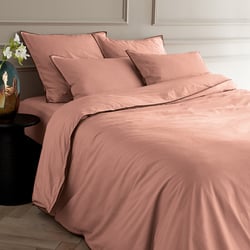
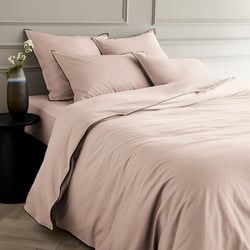
Pink voile curtains for soft daylight and a well-fitted window
Morning light passing through pink voile curtains can give a bedroom a gentle rosy glow without closing off the view completely. The effect depends on more than the shade: the fabric’s transparency, the width of each panel and the position of the curtain pole all influence how the light reaches your room. A pale blush voile gathered generously will look different from a deeper pink panel stretched almost flat across the same window.
At La Redoute, we suggest starting with the window rather than the room accessories. Look at its proportions, check how it opens and notice when direct sunlight reaches the glass. You can then choose curtains that soften the light where you need it, leave handles accessible and sit neatly above the floor or windowsill.
Start with the fabric and the daylight you receive
Understand what sheer pink voile can do
Voile is a lightweight fabric with an open enough structure to let daylight through. It softens the appearance of the window rather than blocking it out. In an east-facing bedroom, pink voile curtains soften morning sunlight while preserving a rosy bedroom glow. They will not provide the darkness needed for daytime sleep, so add a suitable blind or lined curtain if that matters to you.
Sheer curtains do not provide dependable privacy after dark. When indoor lights are on and the outside is dark, people may be able to see into the room. Check the effect from outdoors, where practical, and plan a second layer for evenings. During the day, privacy also varies with fabric density, the amount of gathering and how close neighbouring windows are.
For a window facing a pavement, a slightly denser voile with generous folds can soften the view into the room. For an upstairs window overlooking a garden, a more transparent fabric may let you enjoy the outlook while taking the sharpness out of direct light.
Compare composition, texture and pattern
Read the composition and care label rather than assuming that all voile fabrics behave alike. Polyester voile often dries quickly, while cotton voile can have a softer, more relaxed surface and may crease more readily. Blends vary, so the individual product information should guide your choice.
Hold a sample against the window if one is available. A woven stripe or small patterned detail may become more noticeable when light shines through it. Plain voile is useful where you already have patterned wallpaper or busy bedding with a large seasonal print. Keeping the window fabric plain gives your eye somewhere quieter to rest.
Choose the pink colour in the room’s actual light
A pink curtain can appear peachier in warm afternoon light or cooler beside a north-facing window. Compare the shade with your walls and flooring during the hours when you use the room most. White walls usually make a pink tint easier to notice, while warm beige walls may make the difference feel more subtle.
For a contemporary bedroom, pale pink voile can sit alongside grey furniture and green bedding. Check the undertones together: a yellow-based green and peachy pink create a warmer effect, while a blue-based green and cooler pink feel crisper. Place fabric samples side by side near the window rather than judging each colour separately under a ceiling light.
If you want only a faint pink cast, look for a very pale shade and test how it appears with several folds gathered together. Gathered voile can look deeper in colour than a single flat layer. This is particularly noticeable at the sides of the window, where open curtains collect into a thicker stack.
Measure the window width before choosing your panels
Use the pole or track as your starting point
For curtains that cover the full window, measure the usable width of your fitted pole or track, not just the glass. On a pole, this generally means the space between the decorative ends. If you have not fitted the hardware yet, plan its position first, allowing space at either side for the panels to gather without covering too much glass.
The total fabric width needs to exceed the hanging width to create folds. Use the product’s recommended fullness wherever it is supplied. As a general planning guide, many voile curtains look softly gathered at around twice the pole width, although the heading style and fabric can change this.
- Measure the usable pole or track width with a firm tape measure.
- Check whether the listed curtain width refers to one panel or a complete pair.
- Multiply the hanging width by the recommended fullness to estimate the total fabric width.
- Divide that total by the number of panels you intend to hang.
- Check whether fixed-size panels give enough coverage before selecting the closest size.
For example, a 180 cm pole with a planned fullness of two needs approximately 360 cm of fabric across it. Two panels measuring 180 cm wide each would provide that total. Two panels measuring 90 cm each would reach across the pole, but would sit almost flat when closed and offer less visual screening.
Allow for the way the window opens
Open the window fully before deciding where the curtains should sit. Inward-opening windows need clearance behind the fabric, and protruding handles can catch fine voile. On a wide living room window, make sure the panels can move far enough aside to leave the opening accessible. Keeping the operating area free also makes ventilation less fiddly on busy mornings.
Choose a drop that suits the space below the window
The correct measuring point depends on the curtain heading. Eyelet curtains are usually measured from the top of the pole, with a little fabric extending above it, while taped headings hang from hooks attached to rings or a track. Check the measuring instructions for your chosen design before ordering, because the difference can leave a hem unexpectedly high or low.
Measure the drop at the left, centre and right of the window. Floors and fittings are not always level. If you want curtains to hang clear of the floor, use the shortest relevant measurement and allow the clearance recommended for the product. A small gap makes vacuuming easier and helps prevent pale hems from collecting dust.
Sill-length voile can be practical above a desk, bench or radiator. Keep fabric clear of heat sources and follow the appliance manufacturer’s clearance guidance. Avoid letting long panels rest over a radiator, where they can interfere with heat circulation. For a window above bedroom storage, test the drop with a tape measure while opening drawers so the finished hem will not catch.
Floor-length panels create a longer vertical line beside a bed or sofa, but trailing fabric is less convenient in a narrow walkway. In a smaller bedroom with bold bedding, a floor-skimming pink curtain can frame the bed without adding another large patterned surface.
Hang pink voile for easy movement and useful layering
Match the heading to your hardware
Eyelets need a compatible pole diameter; a taped heading needs suitable hooks and either rings or a track. Slot-top panels slide directly onto a rod, so consider how often you will open them and whether they will move easily along your chosen fitting. Check the product details before reusing existing hardware.
Once the curtains are hung, distribute the folds evenly across each panel. Let them settle before assessing the final drop, following any product guidance about relaxation after unpacking. An uneven-looking hem may be caused by bunched headings rather than the panel length, so adjust the top before making alterations.
Use blinds for light control and evening privacy
Layer pink voile curtains over blinds for a breezy, romantic living room, with the voile positioned on the room side of the blind. The sheer layer softens natural daylight, while the blind provides more control when sunlight reaches a television screen or neighbours can see in after dark. Leave enough space between the two layers for the blind to operate without rubbing against the fabric.
In a bedroom, this arrangement also lets you change bedding without needing to replace the window treatment. A pale pink voile can remain in place when seasonal bedding replaces a plain everyday cover, provided you are happy with how the seasonal colours sit together.
Make nursery and bedroom windows practical
Sheer pink voile curtains add gentle daytime privacy beside the nursery window, particularly when gathered rather than pulled flat. Pair them with an appropriate blackout layer if daytime naps require a darker room. Assess the light from the cot’s position, as a bright strip around the edge of a blind may be more noticeable there than from the doorway.
Keep curtains, cords and chains well out of children’s reach. Position cots and climbable furniture away from windows, use compliant blind safety devices and follow the fitting instructions for every component. Avoid trailing hems in children’s rooms, where fabric could be pulled or caught during play.
In a shared or changing bedroom scheme, compare the voile with the strongest existing colour. For example, red bedding beside pink curtains can feel lively, but the result depends on the shades. View them together in daylight before adding further colours through rugs or cushions.
Care for sheer fabric without losing its shape
Lightweight curtains can collect dust around open windows, especially near a road or garden. Regular gentle care helps prevent a build-up that becomes harder to remove. Use the cleaning method stated on the care label; washable and dry-clean-only panels should not be treated in the same way.
- Remove hooks and other detachable fittings before cleaning, where the instructions allow.
- Wash only at the stated temperature and use the recommended programme.
- Avoid overloading the machine so the panels have room to move.
- Use a laundry bag if recommended to reduce snagging on fine fabric.
- Dry and iron according to the label, checking whether rehanging while slightly damp is permitted.
Do not assume that every voile item shares the same care instructions. At La Redoute, our Washed Cotton Voile Pillowcase by AM.PM dresses your bedroom with elegance, offering a soft-textured option alongside your window fabrics. However, a pillowcase and a curtain can have different constructions and finishes, so check each label separately.
Before ironing, confirm the permitted heat setting and test an inconspicuous area if needed. Excessive heat can damage some sheer fabrics. If a panel snags, avoid pulling the loose thread, which may distort the weave; follow the supplier’s advice or ask a clothing repair service to assess it.
Finish with a window-by-window check
Pink voile is an excellent option when you want softened daylight while retaining some connection with the view outside. Its usefulness comes down to the fit: enough width for gentle folds, a drop that clears obstacles and a heading that works with your hardware.
Before making your final selection, note the pole width, required drop, panel quantity and care requirements together. Then check your evening privacy plan and the opening clearance once more. With those details settled, you can enjoy the pink glow in the morning without discovering that a handle catches the fabric or the curtains fall short when closed.