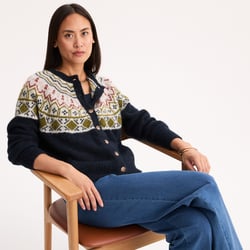
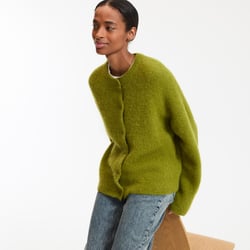
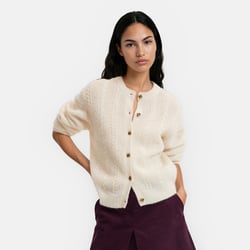
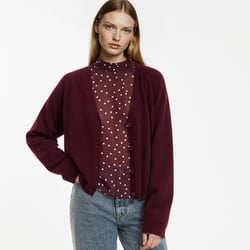
How to choose the right one for warmth, fit and layering
When the temperature drops, a chunky cardigan quickly becomes the piece you reach for first. It gives you warmth without the stiffness of a coat indoors, and it adds volume in a way that feels relaxed rather than fussy. If you want a practical winter knit guide, the main thing is to choose a cardigan that works with your everyday layers, not against them. That means looking closely at fit, sleeve shape, length and neckline before you add one to your basket.
A good chunky cardigan should feel easy to wear from morning to evening. You might layer a chunky cardigan over pyjamas for chilly morning coffee runs, then later swap those lounge pieces for jeans and ankle boots. You might wear a chunky cardigan with jeans during breezy fall market strolls, where a soft knit helps you stay comfortable without needing a heavy jacket. Or you may simply throw a chunky cardigan on after work for cosy sofa reading, when you want warmth around the shoulders and arms without changing your whole outfit. These are the moments that show whether the fit really works.
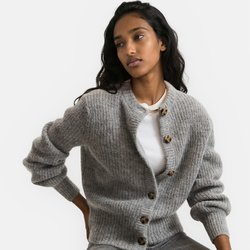
The appeal of a chunky knit lies in its texture and shape. A thicker knitted yarn traps heat better than a fine gauge style, while the fuller structure creates that relaxed silhouette many women look for in winter. But not every cardigan gives the same result. Some are cropped and neat, some are oversized and open, some come with a button front and a crew neck, and others are long enough to cover the hips. The best choice depends on how you plan to wear it and what you usually layer underneath, from a fitted t-shirt to a collared shirt or even a light jumper.
Why a chunky cardigan works so well in winter
A chunky cardigan earns its place because it solves a real dressing problem: how to stay warm while keeping movement easy. A coat can feel too much indoors, while a fine knit may not be enough on a cold day. A chunky cardigan sits in the middle. It is warm, soft and simple to slip on, especially if you move between home, office, school run and weekend plans.
The extra volume also helps with layering. If you wear a fitted top underneath, the cardigan adds shape and comfort without clinging. If you prefer to layer over a shirt, the thicker knit smooths the look and keeps the outfit casual. This is why many women treat it as a daily layering piece rather than a special item saved for certain outfits.
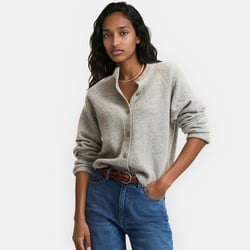
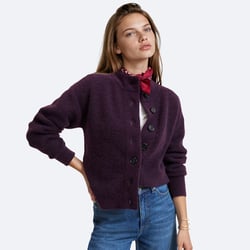
At La Redoute, the Fluffy Knit Crew Neck Cardigan - LA REDOUTE COLLECTIONS shows how useful this style can be, as our selection includes a long sleeve cardigan designed to be worn solo or over a shirt or t-shirt throughout the season. That kind of versatility matters when you want one piece to work across different settings and not just on one outfit idea from a product page.
What to check before choosing your cardigan
Before you focus on colour or price, start with the practical details that affect wear. A cardigan may look appealing on the page, but what matters is how it behaves once layered over your own clothes. The knit thickness, the button placement, the neck shape and the cut through the body all change the final fit.
- Check the shoulder line: dropped shoulders give a more oversized effect, while a set shoulder looks neater.
- Look at the sleeve width: wider sleeves fit easily over shirts and light jumpers.
- Consider the length: a long style gives more coverage, while a shorter one can balance high-waisted jeans or skirts.
- Think about closure: an open cardigan feels relaxed, while a button front gives more styling options.
- Review the neckline: a crew neck sits close and tidy, while a deeper neck leaves room for layering.
These details make a big difference in everyday use. For example, if you often wear a blouse with fuller sleeves, a tight cardigan sleeve may bunch and feel restrictive by lunchtime. If you usually sit working from home, a long cardigan with a soft drape can keep your lower back warmer than a cropped style. The right choice depends on your routine, not just the trend.
Choosing the right fit: relaxed, oversized or neat?
Fit is usually the first question with cardigans, especially with a chunky shape. A relaxed silhouette should still look intentional. You want enough room to layer, but not so much bulk that the knit swallows your frame or slips off the shoulder every few minutes.
If you like a laid-back look, an oversized cardigan can be very useful. It works well over a fitted top, slim jeans or leggings because the volume stays balanced. For example, during a breezy fall market stroll, an oversized chunky cardigan with denim and sturdy boots feels practical and comfortable, especially if you are carrying bags and want easy movement through the arms.
If you prefer a cleaner outline, choose a cardigan with a straighter fit and a defined shoulder. A crew neck style with a button front can sit almost like a jacket over a t-shirt. In that case, you may also browse related styles such as knit jacket women's options if you want the same knit comfort with a more structured shape.
Length also changes the fit story. A long chunky knit cardigan can be ideal if you want more coverage over dresses, leggings or slim trousers. It is especially useful at home when you throw a chunky cardigan on after work for cosy sofa reading and want warmth across your back and hips. A shorter cut, on the other hand, can feel lighter and easier if you are petite or if you usually wear high-rise jeans.
How to layer a chunky cardigan without feeling bulky
The easiest way to wear a chunky cardigan is to keep the base layer simple. A fitted cotton top, fine knit jumper or crisp shirt gives structure underneath the volume. This helps the cardigan sit properly and stops the outfit from feeling heavy around the middle.
Start from the inside out:
- Wear a slim t-shirt or thermal top for everyday warmth.
- Add a shirt if you want the collar or hem to show.
- Choose bottoms with a cleaner line, such as straight jeans or tailored trousers.
- Finish with boots, loafers or trainers depending on the setting.
This formula works because the cardigan becomes the main source of texture. If every layer is thick, the outfit can feel stiff. If the underlayers are smooth and close-fitting, the chunky knit keeps its shape and stays comfortable.
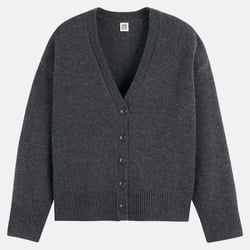
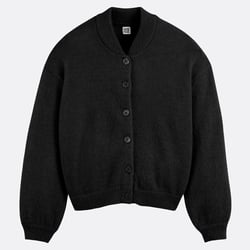
Neckline matters here too. A crew neck cardigan worn buttoned can replace a jumper on milder days. Worn open, the same cardigan creates a vertical line that can make a fuller knit look less bulky. If you already own a short black cardigan, you may have noticed how useful a dark, simple style is for neat layering at work. A chunky version follows the same rule, just with more warmth and more texture.
Colour, styling and everyday wear
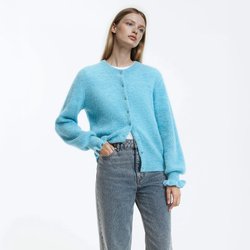
Neutral shades are often the easiest starting point because they work across more outfits, but colour can change the mood of a cardigan in a useful way. Cream, grey, black and camel tend to suit everyday layering because they mix easily with denim, tailored trousers and printed dresses. If you want something softer and more playful, a pink chunky knit cardigan can brighten winter outfits, especially over a white t-shirt and faded blue jeans.
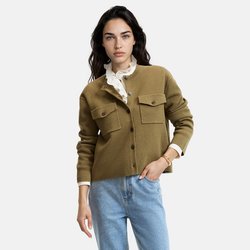
Green is another practical choice if you want colour without too much fuss. A muted olive or forest tone pairs well with ecru denim, brown boots and simple accessories, which is why many shoppers also browse green cardigan women's styles when looking for something versatile but not plain.
Styling should match your real routine. For chilly morning coffee runs, wear the cardigan over pyjamas or a lounge set, then add a scarf and slip-on shoes. In this case, a softer oversized fit is often more comfortable than a neat fitted one because it layers quickly without pulling. For a casual day out, wear it with jeans, a long sleeve tee and ankle boots. If you want a smarter finish, button the cardigan over a shirt and let the collar sit neatly above the neck line.
What to look for on the product page
When you shop online, the product page gives you clues that help avoid returns. Start with fabric and knit information. A very chunky knit usually looks fuller on the body than a medium knit, even in the same size. Then check the model photos carefully: where does the hem fall, how long is the sleeve, and does the cardigan look open and fluid or firm and boxy?
Product wording also helps. Terms such as oversized, relaxed fit, long sleeve, crew neck and button front tell you how the cardigan is meant to sit. If the item is described as long, look at whether that means hip length or below the thigh. If you are comparing cardigans by price, think about use rather than just cost. A cardigan worn several times a week for school runs, commuting and evenings at home may prove better value than a cheaper design that feels awkward to layer.
The most useful check is to picture one real outfit you already wear. For example: dark jeans, white t-shirt, ankle boots. If the cardigan would slip easily into that outfit, there is a good chance it will earn regular use. If it only works with clothes you do not often wear, it may stay folded in the wardrobe.
How to choose the best chunky cardigan for your shape and wardrobe
A chunky cardigan should support the way you dress, not complicate it. If your wardrobe is full of fitted tops and straight-leg trousers, a fuller cardigan adds welcome softness and volume. If you wear looser clothes already, you may prefer a more controlled design with a clear shoulder and a tidy button line to avoid too much bulk.
For petite frames, a cropped or hip-length cardigan can be easier to style than a very long one, especially with high-waisted jeans or skirts. For taller women, a longer line often looks balanced and gives extra warmth. If you want something that feels halfway between outerwear and knitwear, look for a thicker cardigan with a firm button placket and a shape close to a jacket.
The best cardigan fit leaves room for a layer underneath while still letting your hands move freely. Test this mentally with your daily habits: reaching for the steering wheel, carrying shopping, sitting at your desk, curling up on the sofa with a book. If the cardigan seems too tight in the sleeve or too heavy at the front, another cut may work better.
Should I size up or down for a cardigan?
The short answer is: usually neither, unless the product description or customer reviews suggest the fit runs unusually large or small. With a chunky cardigan, the right size is normally your regular size because the design already includes extra volume. If you size up automatically, the shoulders can drop too far, the sleeve can become awkwardly long, and the body may look shapeless rather than relaxed. If you size down, you can lose the very thing that makes a cardigan useful: space for layering.
The smarter approach is to think about how you want to wear it most often. If you plan to button it over a shirt for work, you need enough room across the bust, shoulders and upper arm. If you mainly want an open cardigan to throw over a t-shirt or lounge set, you can stay closer to your usual size without worrying about a snug button closure. This is especially relevant with a chunky knitted design, because thicker yarn already adds visual volume.
Use this quick checklist before choosing your size:
- Read whether the fit is described as oversized, regular or fitted.
- Check sleeve length and shoulder shape on the model photos.
- Think about your thickest likely layer underneath, such as a shirt or fine jumper.
- Measure a cardigan you already own and compare if measurements are available.
A common mistake is sizing up for “comfort” when the cardigan is already cut in a relaxed silhouette. The result can be a neck that slips back, a button line that does not sit straight, and cuffs that cover your hands. Another mistake is sizing down because the item looks roomy on the page; then you may find it pulls when buttoned and feels tight through the sleeve.
A practical example: if you want to wear your cardigan with jeans during breezy fall market strolls and also over pyjamas for chilly morning coffee runs, your regular size is often the best place to start. It should give enough room for casual layering while keeping the shape easy to wear indoors and out.