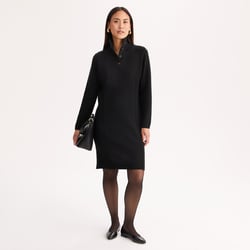
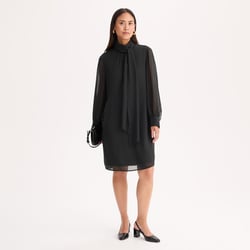
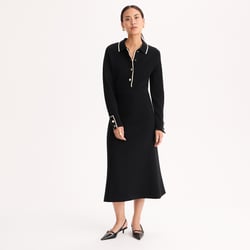
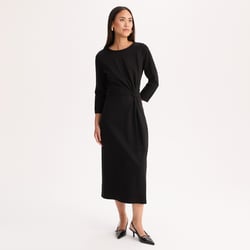
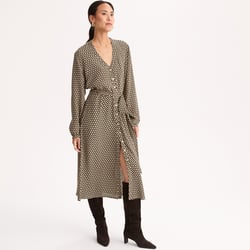
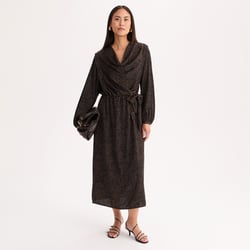
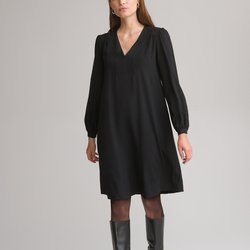
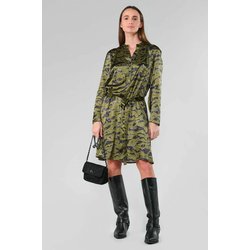
Find your knee-length fit
Knee length dresses are often the easiest styles to wear when you want a shape that feels balanced, comfortable and ready for real life. The key detail is simple: where the hem sits on your leg changes the whole look of the dress. A hem that lands just above the knee can feel a little more relaxed and youthful, while one that skims the centre of the knee or falls just below it tends to look a touch neater and more polished. If you are choosing for everyday wear, this small difference matters far more than many shoppers expect.
When you are browsing dresses online, it helps to think first about length on the leg, then about fabric and details. A knee length cut can work for office meetings, casual plans and warm evenings away because it gives coverage without feeling heavy. It sits between a short style and a midi option, so you get movement, ease and a shape that is simple to style with flats, sandals, trainers or ankle boots.
If you are comparing a knee length dress with a tea dress or a purple midi dress, the main distinction is proportion. A midi usually falls lower on the calf, while a knee length style keeps more of the leg visible. That can make the silhouette feel lighter, especially if you are petite or if you prefer a dress that does not cover too much of the lower leg.
Why knee length works so well for everyday silhouette
The strength of knee length dresses is their versatility. They suit days when you want to look put together without constantly adjusting your outfit. For many women, the most flattering point is around the knee because it breaks the leg in a natural place and allows the rest of the silhouette to stay easy. If you choose the right cut, the result feels practical rather than fussy.
A straight shift dress at knee length gives a clean line from shoulder to hem. This shape is useful if you want room through the waist and hips, or if you need a reliable work option that layers neatly under a blazer or cardigan. A fit-and-flare style at the same length creates more movement and can define the waist more clearly. A shirt dress with a belt offers another route: you can tighten it for shape or wear it looser for comfort on long days.
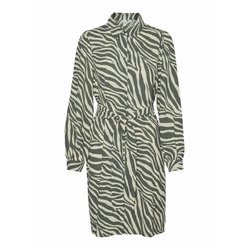
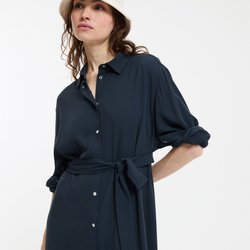
At La Redoute, our selection includes the Long Sleeve Tie-Belt midi shirt dress - LA REDOUTE COLLECTIONS, a timeless and ever-elegant shirt dress featuring a midi length and a belted waistband to accentuate the waist with a feminine touch. While this is a midi product, it is a useful reference if you are deciding whether you want your hem to sit at the knee or slightly lower on the calf.
Where the hem should sit for the most flattering effect
When we talk about knee-length fit, we mean a hem that usually lands from just above the knee to just below it. The most useful way to choose is to think about your height, your leg shape and how you plan to wear the dress.
- Just above the knee: often feels lighter and easier for casual daytime wear.
- On the knee: usually gives a neat, balanced line for work and smart-casual plans.
- Just below the knee: offers a slightly more covered look, close to a soft midi effect.
If you are petite, a hem sitting a little above the knee can stop the dress from visually shortening the leg. If you are tall, you may like a cut that falls on or just below the knee for proportion. If your calves are the part of your legs you most like to highlight, a true knee length can draw attention there in a very natural way. If you prefer more coverage around the thigh, choose a style that does not ride up when you sit down.
A good test is to imagine the dress in movement, not only standing still. Walking to work, climbing stairs, sitting at a café table or packing it into a suitcase all change how the length behaves. That is why fabric matters too. A cotton dress with a little structure may keep its shape through the day, while a softer floral print style may drape more fluidly and sit differently once worn.
Choosing the right cut for your shape
The best knee length dresses are not only about the hem. The upper shape affects how balanced the full look feels. Start with the bodice, waist and sleeve, then check that the length supports that silhouette.
If you have a straighter frame, a belted waist, wrap front or gentle gathers can add shape without making the dress harder to wear. If you prefer a cleaner line, a shift dress or column-inspired cut keeps things simple. For curvier figures, a dress that follows the body lightly rather than clinging often works especially well at knee length, because the hem keeps the look grounded and easy.
The neck shape also changes the effect. A V-neck can lengthen the upper body visually, while a round neck gives a softer, classic finish. A shirt collar looks smart for weekdays. Sleeve choice matters too. A short sleeve can feel cooler for summer and holidays, while a longer sleeve is useful if you want more arm coverage for work or transitional weather.
Colour and pattern help define the mood. A black knee length dress is dependable for meetings and dinners. A green style can feel fresh in spring and summer. A floral or print design often suits weekend dressing because it adds personality without much styling effort. If you already own a blue striped dress, you may find that a plain knee length option gives you another easy route for busy mornings.
Practical styling for real plans
One reason knee length dresses stay popular is that they adapt easily to different moments in your week. For office meetings, the right style should let you sit comfortably, walk confidently and still look polished by late afternoon. A dress with a smooth lining, a modest neck and a hem that rests on or just above the knee usually works well. Add loafers or low heels, and keep a blazer nearby if the room runs cool. In this setting, a structured cotton blend or shirt dress shape often feels more reliable than very clingy jersey.
For casual weekend brunches, you may want a softer silhouette. A floral dress with a short sleeve, trainers and a cross-body bag creates an outfit that feels relaxed but still considered. This is where knee length really proves its value: you can sit outside, walk around shops and move comfortably without worrying about a very short hem. If you like mixing feminine and sporty pieces, you might even reach for a long-sleeve dress for cooler mornings.
Packing a knee length dress for warm holiday evenings is also a smart choice. It folds more easily than bulkier occasionwear and can work with flat sandals by the sea or simple jewellery for dinner. A light print or green shade feels summery, while black is easy if you want one product that goes with everything in your suitcase. If you are deciding between a red midi dress with sleeves and a knee-length holiday style, think about climate and footwear: in very warm weather, the slightly shorter length can feel cooler and less restrictive.
What to check before you buy
Purchase guidance matters because two dresses described with the same length can fit very differently. Before adding a new style to your basket, look closely at the measurements and the model information. A knee length dress on a taller model may look closer to above-the-knee on you, or the reverse if you are taller than average.
- Check the stated product length in centimetres if available.
- Read the fabric composition, especially if you want cotton for breathability.
- Look at where the waist seam sits, not only the hem.
- Notice whether the sleeve and neck shape suit your usual daily needs.
- Compare the price with how often you will realistically wear it.
It is also worth thinking about care and practicality. A dress that creases heavily may not be your first choice for office use or travel. If you need something for frequent wear, a fabric that keeps its shape after washing can save time. Delivery options matter too if you need the dress for a specific date, and free delivery thresholds can be useful when you are shopping for more than one item.
When browsing new arrivals, do not be distracted only by trend details. A new colour or print can be tempting, but the most successful buy is usually the one that works with your routine. If you need a weekday staple, focus on fit first. If you are shopping for relaxed summer plans, movement and comfort may matter more than a sharply tailored finish.
How knee length compares with other popular dress lengths
If you often switch between short and midi dresses, knee length can feel like the most wearable middle ground. A short dress gives more leg and can feel playful, but it may not always suit work or breezy weather. A midi offers more coverage and can look very elegant, though on some figures it can feel heavier if the cut is not quite right. Knee length keeps the silhouette open while still giving enough coverage for everyday confidence.
Think about shoes too. Knee length dresses are particularly easy with trainers, ballet flats and ankle boots because the hem does not compete with the footwear. With a midi, shoe choice can affect the line more strongly. If you have been considering a tea dress for daytime or a purple midi dress for events, a knee-length alternative may be the simpler option when you want one dress to cover several types of plan.
What you need to know before buying
Are knee length dresses flattering?
Yes, knee length dresses are flattering for many women because they sit at a balanced point on the leg and are easy to adapt to different body shapes, heights and daily routines. The reason they work so well is practical: they show enough leg to keep the silhouette light, while still offering enough coverage for work, family plans and everyday movement. That balance often makes the dress feel more wearable than a very short hem and less formal than a longer midi.
The most flattering version depends on where the hem falls on you personally. A style just above the knee can make the legs look longer, especially if you are petite. A hem that touches the knee often looks neat and polished, which is useful for office meetings or lunches out. Just below the knee can feel more covered and may suit you if you want a softer line through the thigh area.
Here are a few points to help you choose well:
- Look for a shape that follows your body lightly rather than pulling.
- Choose a neck and sleeve combination that suits where you will wear it.
- Check whether the fabric drapes or holds structure, as this changes the overall silhouette.
A common mistake is choosing only by trend or colour. For example, a black knee length shift may flatter you more in daily life than a brighter style if you need something for repeat wear at work. Another pitfall is forgetting how the dress behaves when sitting down. If the hem becomes much shorter on a chair, it may not feel as comfortable for meetings or travel. A good practical example is a cotton shirt dress worn with loafers for work, then with trainers at the weekend: if the length remains comfortable in both settings, that is usually a strong sign that the fit is right for you.
How long is a typical knee length dress?
A typical knee length dress falls anywhere from just above the knee to just below it, but the exact point depends on your height and the cut of the dress. On one woman, the same product may look slightly short; on another, it may read almost like a midi. That is why the best way to judge length is not by the name alone, but by checking measurements and model details wherever possible.
In practical terms, many knee length dresses are designed to hit around the middle of the kneecap or within a few centimetres above or below it. If you are around average height, this usually creates the classic knee-length look. If you are taller, the hem may sit higher on the thigh than expected. If you are shorter, it may fall lower and start to resemble a midi shape.
Use this quick checklist before buying:
- Check the stated garment length if it appears on the product page.
- Compare that number with a dress you already own and like.
- Think about shoes, because flats and heels can change how the silhouette feels.
A frequent mistake is assuming all knee length dresses will fit the same way across brands and cuts. A shift dress, for instance, may appear slightly shorter in movement because it hangs straight, while a belted style can settle differently once tied at the waist. A concrete example: if you are packing a dress for warm holiday evenings, a hem just above the knee may feel cooler and easier with flat sandals. If you need one for office meetings, a hem on or just below the knee often feels more secure when sitting, walking through the day and layering with a jacket.