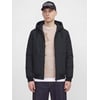
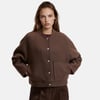
A girls' bomber jacket for school days and weekends
Some mornings call for a jacket that can handle the school run, a chilly playground and a stop at the park afterwards. A girls' bomber jacket can cover those everyday changes when you choose its fit and fabric around your child’s routine. She wears her bomber jacket over a tee for school, then adds a sweatshirt underneath for a cooler Saturday outing. The familiar zip front makes it straightforward to put on, while a shorter hem can leave her legs free for climbing steps or riding a scooter.
At La Redoute, we suggest starting with four practical checks: fit, warmth, fabric and care. These help you choose between jackets that look similar but feel quite different during a busy day. A lightweight woven style may suit a mild afternoon, whereas a lined bomber gives her another layer when the morning air feels cool.
Start with a fit that leaves room to move
Check the shoulders, sleeves and hem
A useful girls' bomber jacket fit allows your child to reach forwards, lift her arms and sit down without the fabric pulling across her back. Try it over the layer she will usually wear underneath, whether that is a school polo shirt or a sweatshirt. Check the fit with her everyday layers on, rather than over a thin vest that leaves more space than she will have on a normal school morning.
The shoulder area should not feel restrictive when she reaches for her school bag. Each sleeve should cover the wrist without swallowing her hands, and the hem should sit comfortably when she bends to fasten her shoes. Bomber styles often have a gathered waistband, so check that it does not ride up excessively as she moves. For a girl who prefers longer tops, make sure the jacket sits comfortably over them rather than bunching the fabric around her waist.
Age labels are a starting point, not a guarantee of fit. A size marked 8 years or 8 yrs may fit differently between brands and cuts. Compare your child’s measurements with the product’s size guide, especially if she is between sizes. Choosing a much larger size for growing room can leave long sleeves covering her fingers and excess fabric getting in the way of play.
Use a quick movement check
- Ask her to stretch both arms forwards as though holding bicycle handlebars; the back should not pull tightly.
- Have her bend her elbows; the cuffs should stay comfortable rather than digging into her wrists.
- Zip the jacket over her usual school layer; the front should close without straining.
- Let her sit on a chair; the hem should not press uncomfortably into her middle.
- Try it with her school bag; the shoulder area should remain comfortable beneath the straps.
Match the warmth to her daily routine
Build layers for changing temperatures
A bomber describes a jacket shape, not a fixed level of warmth. An unlined cotton version and a padded style will feel different on a windy walk. Check the lining, padding and outer fabric before deciding when your child will wear it. For layering on school days, a tee under a lightweight bomber may be enough in mild weather. On cooler mornings, a cardigan or sweatshirt can add warmth without needing a heavier coat for the whole day.
Leave space for one comfortable middle layer if the jacket needs to work across changing temperatures. Too many bulky items underneath can restrict movement at the elbows and make the zip difficult to close. If she regularly feels cold during outdoor breaks, a warmer jacket may be more useful than squeezing several layers into a close-fitting bomber.
A bomber's ribbed cuffs keep her sleeves snug during chilly playground breaks, provided they fit without feeling tight. A ribbed hem can also help reduce draughts around the waist. These details do not make every bomber suitable for cold weather, though. For frosty mornings, long outdoor sessions or persistent rain, choose outerwear designed for those conditions.
Plan for the journey as well as the classroom
Think about how she gets to school. A child walking for twenty minutes may need more warmth than one stepping from a car into the school entrance. For cycling to weekend football practice, check that she can lean forwards comfortably with the zip fastened. Keep the jacket clear of moving parts and use suitable visibility accessories when light is low. Once she starts exercising, she may need to remove the outer layer so that she does not become too hot.
If you are comparing a bomber with a girls' summer jacket, focus on the forecast and time spent outside. A light layer is useful for a breezy journey home, but it should not be expected to provide the warmth of a padded coat.
Choose fabric around the way she wears it
Look beyond the outside finish
A soft knitted bomber can feel comfortable over a short-sleeved top, while a smooth woven outer may slide more easily beneath school bag straps. Cotton-rich fabrics can suit mild days, but check the complete composition and lining rather than judging by appearance alone. Polyester and other synthetic fabrics vary in weight and finish, so the fibre name by itself does not tell you whether a jacket is warm or weather-resistant.
Only rely on rain protection when the product details specify it. A shiny surface does not necessarily repel water, and a shower-resistant finish is not the same as waterproof protection. If she walks home in regular rain, a separate waterproof layer may be needed. Check that the two layers fit comfortably together before relying on that arrangement for school.
The inside matters too. Run your hand along the lining and around the neck area to check for rough seams or labels that might irritate her skin. A smooth lining can make dressing easier when she is wearing a knitted jumper, because the sleeves are less likely to catch as she pushes her arms through.
Pick details that earn their place
Pockets give her somewhere to put her hands while waiting at the school gate. Check their depth and fastening if she carries small belongings, and keep valuables in a secure bag rather than an open pocket. A zip pull that she can grip independently is useful when she needs to get ready quickly after break time.
A baseball-inspired bomber might have contrasting sleeves, striped ribbing or a logo on the chest. If she will wear it to school, check the uniform rules before choosing bold graphics. For weekends, let her choose a colour or detail she enjoys wearing, then check that it works with the trousers and tops already in her drawer.
Make everyday outfits easy to put together
For school, keep the layers simple: a polo shirt or tee, her usual trousers or skirt, and the bomber on top. On days with indoor and outdoor activities, a removable middle layer gives her more options than one very thick top. Practise folding the jacket into her bag if she often takes it off on the journey home.
At weekends, a bomber works with joggers for the park or denim trousers for a family outing. Check the combined bulk at the waist if both the trousers and jacket have gathered bands. A slightly longer tee can sit underneath, but avoid so much extra fabric that it bunches when she sits down.
When you shop for several kids, assess each child’s outerwear separately rather than choosing by age alone. If your list also includes a denim jacket for boys, compare the same practical details: room through the shoulders, usable pockets and clear washing instructions. Different styles can serve different routines, even within the same family.
Keep jacket fabric and care manageable
Read the care label before the first wash
School outerwear can collect muddy splashes, snack marks and paint from classroom activities. Check the washing instructions before you buy if you need a jacket that can go into your usual laundry routine. Some styles allow machine washing, while others need a gentler process. Trims, padding and printed details may affect the instructions even when the outer fabric looks familiar.
Before washing, empty the pockets and follow the label’s guidance on fastening zips, turning the garment inside out and selecting a cycle. Avoid guessing the temperature from the fabric alone. For a small mark, check whether local cleaning is suitable before washing the whole jacket, and test any cleaning product on a discreet area first.
Dry and store it with the next school day in mind
Follow the drying instructions, particularly for padded or coated fabrics. Do not assume that a tumble dryer is suitable, and avoid placing the jacket directly on a radiator unless its care guidance allows it. Give it enough drying time before she needs to wear it again; damp cuffs and lining can feel uncomfortable on an early walk to school.
Keep a low hook available so she can hang the jacket up herself rather than leaving it crumpled at the bottom of her bag. Check the cuffs and pocket openings regularly for trapped dirt. A quick weekly check also helps you spot a sticking zip before it becomes a problem while you are rushing out of the door.
A final check before the next outing
When comparing product pages, use a close-up view to examine the fastening, lining and cuffs, then read the size and care information. Prioritise comfortable movement and suitable warmth over extra details. A jacket that she can zip herself, wear over her school layers and hang up at the end of the day has a clear role in her wardrobe. With those checks covered, her bomber is ready for the walk to school, a playground break or a weekend trip to the park.