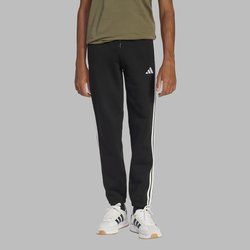
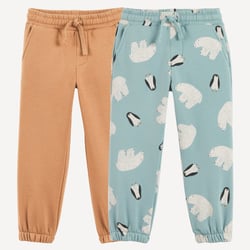
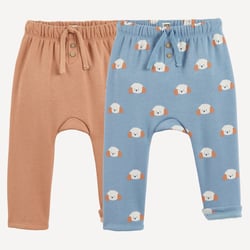
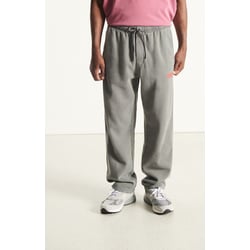
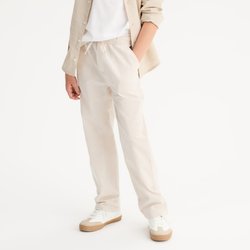
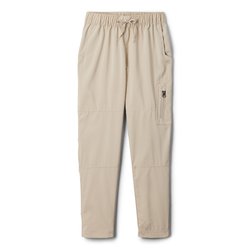
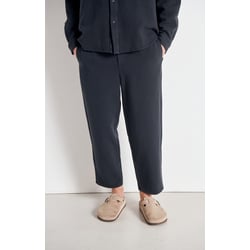
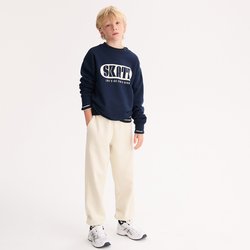
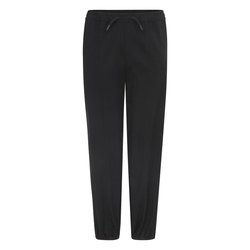
An adjustable waist for busy days
A waistband that slips during a playground game can quickly become a distraction. Boys’ drawstring trousers give you a simple way to adjust the waist, helping trousers stay in place without choosing a size that feels tight everywhere else. Whether you are getting your child ready for nursery, packing for a weekend away or heading out after school, a working drawstring makes small fit adjustments straightforward.
The starting point is still the right trouser size. A drawstring can fine-tune the waistband, but it cannot shorten a dragging hem or add room across the seat. Choose the right overall fit first, then adjust the waist. That way, your child can sit, crouch and walk comfortably without needing to keep pulling their trousers up.
Start with the waist, then check the whole fit
An adjustable waist fit that stays comfortable
An elasticated waistband stretches as your child moves, while a functional drawstring lets you secure it a little more closely. The two features do different jobs: the elastic provides give, and the cord helps you control how snugly the waistband sits. Check the product description before buying, as some visible cords are decorative rather than adjustable.
When trying trousers on, position the waistband where your child would normally wear it. Gently tighten the drawstring, then ask them to sit on a chair and bend forward to fasten their shoes. If the waistband digs in or leaves them wanting to undo it immediately, loosen it. If it slides down as they walk, make a small adjustment rather than pulling the cord as tight as possible.
The waistband should stay put without pinching. You should be able to ease a finger beneath it without forcing it, although your child’s comfort and freedom of movement matter more than any single fit test. Check again with their usual underwear and top, particularly if they tend to tuck in a school polo shirt.
Room through the seat, thigh and leg
Look beyond the waistband before deciding whether a pair fits. Tight fabric across the seat can restrict sitting, while a narrow thigh may pull when your child climbs stairs. Ask them to squat, take a large step and sit cross-legged. These simple movements help you spot a restrictive fit before the trousers become part of the weekday rotation.
A relaxed cut gives more space through the upper leg, while a tapered shape narrows towards the ankle. Wide styles offer extra room around the lower leg, but their hems still need to clear the ground. Buying a much larger size and relying on the drawstring can leave excess fabric bunching at the waist and trailing beneath shoes.
Choose fabric around your child’s routine
Cotton for regular wear
Cotton drawstring trousers are worth considering for days that move between indoor activities and outdoor play. Check the fabric construction as well as the fibre content: a knitted pair can feel more like jogging bottoms, while woven cotton gives a more structured trouser shape. If your child spends time sitting on the floor building models or reading, check that the knees bend comfortably and the waistband stays comfortable when seated.
A cotton blend with stretch may suit children who dislike a rigid feel, but the amount of stretch varies between products. Read the composition and care instructions rather than assuming every pair behaves alike. At La Redoute, we recommend checking the individual product details so you can compare the waistband, fabric and care requirements before you shop.
Lighter options for warmer days
Linen or a linen blend can work for warm-weather outings when you want full-length coverage without choosing a heavy fabric. A looser leg also leaves more space around the skin. For a family lunch outdoors, try a light pair with a cotton T-shirt and sandals, checking that the hem does not catch beneath the heel.
Think about your washing routine too. If trousers are likely to pick up food marks at nursery or dust at the park, read the washing temperature and drying instructions before buying. Choose care requirements you can manage on an ordinary weekday, rather than discovering that a regularly worn pair needs a separate routine.
An everyday trouser choice for school runs and weekends
For relaxed weekend errands and quick grocery trips, drawstring trousers make dressing straightforward: pull them on, adjust the waist and add trainers. A child who can manage the cord independently may also find them useful for getting changed after a swimming lesson. Practise tying and untying at home before relying on that independence in a busy changing room.
Before cycling, tighten the drawstring trousers enough to keep the waistband secure. Then check the rest of the outfit: tuck away long cord ends and keep loose hems clear of the chain and pedals. A secure waist does not replace a safe leg length. A closer ankle shape can be easier to manage around a bicycle than a loose, flapping hem.
After lunch, loosen the drawstring slightly if your child says the waistband feels uncomfortable. A small adjustment can help when sitting in the car for the journey home. If they repeatedly need to loosen the trousers throughout the day, check whether the size or cut is too small rather than treating the cord as the only solution.
- For nursery, choose a waistband your child can pull down easily for toilet visits.
- For playground time, check knee movement and keep drawstring ends short and secured.
- For travel, test the fit while seated with the seat belt correctly positioned.
- For a family meal, try a woven pair with a polo shirt and clean trainers.
- For spare clothes, pack a familiar pair so your child already knows how to adjust them.
Match pockets and styling to the occasion
Cargo details can be useful when your child wants somewhere to put a tissue or a small notebook. Check pocket depth and fastening, and avoid filling side pockets with bulky objects that knock against the legs. When comparing brown cargo trousers and navy cargo trousers, think about the tops already in the wardrobe: brown works with cream and green, while navy is easy to wear with grey, white or striped T-shirts.
Keep the occasion in mind without overlooking movement. A plain woven pair can suit a birthday lunch, while knitted trousers may be more practical for a day centred on indoor play. A shirt or polo gives a casual outfit a neater finish, but check the waistband again if you tuck the top in.
If you are shopping for several children, compare each item’s fit separately. Searches for girls black jogging bottoms or girls combat trousers may help you find options for siblings, but waistband construction can vary between styles.
The same applies when browsing for adults. Drawstring styles for men can offer useful outfit ideas, such as a plain T-shirt with straight-leg trousers, but children’s sizing and proportions need a separate assessment. Use the child’s measurements and the relevant size guide rather than copying the fit of an adult style.
Small details that make waist adjustment easier
Look closely at where the cord sits. An external drawstring is easy to reach, while an internal one keeps the front of the waistband simpler. Either can work, provided your child can use it and it does not rub against their skin. Some trousers also have an internal adjustment tab; where one is included, check its fastening and position before wearing.
Teach a secure bow that your child can undo. Avoid a tight knot that creates a struggle at toilet time, and check that the ends do not hang down excessively. For younger children, follow any age guidance supplied with the garment and inspect the cord regularly for damage.
To save time on school mornings, check the waistband and straighten the cord after washing. If one end starts disappearing inside the casing, address it before the next wear. Follow the care label when washing and drying, as changes in fabric dimensions can affect both the waist and leg length.
Getting the drawstring fit right at home
How to make drawstring trousers fit better?
Start by checking that the trousers fit through the seat, thighs and length before adjusting the cord. The same principle applies to any drawstring pair: the drawstring should refine a suitable size, not hold up a pair that is too large. Place the waistband at your child’s usual waist position, smooth out any twisted elastic, then pull both cord ends evenly. Tie a bow and ask your child to walk, sit and crouch.
If the waistband gathers heavily at the front, the waist may be too generous. If the fabric pulls across the hips or the pockets gape, tightening the cord will not help; try another size or a roomier cut. Check whether the drawstring runs around the waistband or adjusts only part of it, as this affects how much control it offers.
- Loosen the cord fully before putting the trousers on.
- Adjust gradually, keeping gathers spread evenly around the waist.
- Check comfort while seated, not only while standing.
- Secure the bow and keep the ends clear of moving equipment.
For example, before a cycle ride to the park, have your child sit briefly on the saddle after you adjust the waist. Check that the waistband stays comfortable in that position, then inspect the hems and cord ends. If the fit only works when the drawstring is pulled extremely tight, choose a different size or cut. A suitable pair should stay secure while still allowing ordinary movement, from pedalling to sitting down for a snack.