How to find a pair you will actually enjoy wearing
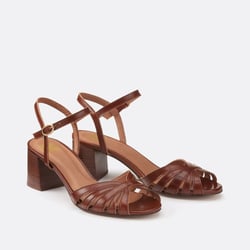
When you want height without the wobble of a slim stiletto, block heel sandals are often the first style worth considering. The wider heel base provides steadier support, making these sandals easier to walk in for longer parts of the day. That matters if you are heading from a morning meeting to lunch afterwards, or if you need shoes that still feel manageable by the time dessert is served at a wedding reception.
The appeal is not only about comfort. A block heel can also change the way an outfit sits. It lifts a sundress, sharpens tailored trousers and adds shape to a midi skirt, while still feeling more relaxed than very formal court shoes. If you are comparing sandals online, the details make all the difference: heel height, strap placement, sole padding, material and fastening can all affect how the pair feels after an hour on your feet.
This guide is here to help you sort through the practical points before you buy. Rather than focusing only on trend-led looks, we are looking at the things that help you decide whether a pair will work for your everyday plans, special events and repeated wear. If you have ever read product reviews to check whether a sandal rubs at the toes or whether the ankle strap feels secure, you are already thinking along the right lines.
Why block heels feel steadier than many other heeled sandals
The reason many women return to block heel sandals is simple: the shape spreads weight more evenly than a narrow heel. A wider block under the heel creates a larger contact point with the ground, which can help you feel more balanced on paving, wooden floors and grass. That can be especially useful in London, where a normal day might include station stairs, uneven pavements and a short walk between lunch venues.
For occasion dressing, this stability matters even more. If you are choosing block heel sandals for weddings with comfortable evening dancing in mind, a broad heel can make movement feel less tentative. You are less likely to feel as though your heel is sinking into soft ground during a garden drinks reception, and you may find dancing easier later in the evening than in a very fine-heeled sandal.
That said, not every block heel feels the same. A very high block heel with a rigid sole can still feel demanding. A lower or mid-height heel with some flexibility through the forefoot is often easier to wear from day into evening. Look beyond the word “block” and check the full shape of the shoe.
What to check first: heel height, pitch and sole shape
Many shoppers focus on heel height alone, but the pitch of the shoe matters just as much. Pitch is the angle created by the difference between the heel and the front sole. A sandal with a 9cm heel may still feel manageable if it includes a slight platform under the front of the foot. Without that extra front height, the same 9cm can feel much steeper.
If you are buying for regular wear, such as office lunches after meetings, a mid heel often offers the most flexibility. It works with cropped trousers, shirt dresses and wide-leg tailoring without making the day feel overly planned around your shoes. If you are buying for occasional events, you may be happy with extra height, but it is still wise to think about how long you will be standing.
- Low to mid block heels are often easier for workdays, city walking and daytime events.
- Higher block heels with a platform can offer extra height with less steepness underfoot.
- Flatter sole shapes usually feel more stable than sharply arched designs.
- Textured outer soles can help on smooth restaurant floors or polished venues.
If you already know that very high sandals leave the ball of your foot sore, compare the front sole depth before adding a pair to your wishlist. That small detail can make the difference between a sandal that feels wearable for two hours and one that lasts seven.
Getting the fit right: straps, toe shape and ankle hold
Fit can make or break a pair of sandals, even when the heel itself is sensible. Because sandals leave more of the foot exposed, every strap needs to sit in the right place. A front band that is too tight can press across the toes; one that is too loose can make your foot slide forward. An ankle strap that sits securely helps keep the foot in place, reducing the effort needed to walk.
Start by thinking about your foot shape. If you have a broader forefoot, look for designs with softer leather, adjustable buckles or crossover straps that allow a little more give. If your feet are narrower, very open styles may feel unstable, especially if there is no slingback or ankle fastening.
Toe shape matters too. A square or softly rounded front often gives more room than a sharply tapered shape. That can be helpful if you plan to wear your sandals for a full afternoon at a summer event. If your toes sit right at the edge when you try them on, the fit is likely too small, even if the length technically seems correct.
When reading a review or several reviews, pay attention to repeated comments. If multiple shoppers mention that the straps come up small, that is more useful than a single line saying “nice shoes”. Practical feedback on width, buckle adjustment or rubbing at the heel can guide your size choice more effectively than styling comments alone.
How to think about size when buying sandals online
Unlike closed shoes, sandals can feel different depending on heat and activity. Feet often swell slightly during warm weather, after commuting or after hours spent standing. If you are buying for summer events, do not judge fit only by how the pair might feel for five minutes indoors. Think about the real setting: standing at a drinks table, walking to a brunch venue, or moving between ceremony and reception.
If you are between sizes, the best option often depends on the sandal design. In a style with adjustable ankle fastening and a generous front strap, you may do well with the larger size. In a minimal mule-style sandal with no fastening, too much extra length can make the foot slide, so fit becomes trickier.
Check these points when deciding on size:
- Your heel should not hang over the back edge.
- Your toes should not press against or spill over the front edge.
- The widest part of your foot should sit comfortably on the sole.
- The ankle strap should feel secure without pinching.
If you often wear insoles in closed shoes, remember that sandals offer less room for adjustment. In that case, prioritise a pair with naturally supportive shaping and enough width through the forefoot.
Materials that affect comfort and wear
Material can change both the fit and the long-term feel of block heel sandals. Leather usually softens with wear and can mould more comfortably to the foot over time. For many women, this makes leather a practical option for repeated use, whether the sandals are for weekday outfits or occasion dressing. If you are browsing product descriptions and see leather listed alongside leather-look styling, check whether the upper, lining or insole contains the material you prefer.
Suede has a softer visual finish and can feel supple from the start, but it may require more care in changeable weather. A black or tan suede sandal can look refined with dresses and tailoring, though it is worth remembering that pale suede may mark more easily at outdoor events. If you are already considering black suede shoes women's styles for cooler months, suede block heel sandals can feel like a natural warm-weather extension of that wardrobe.
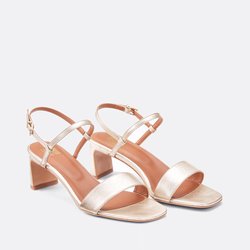
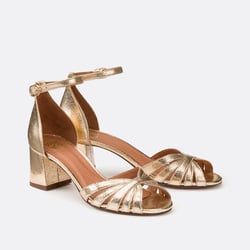
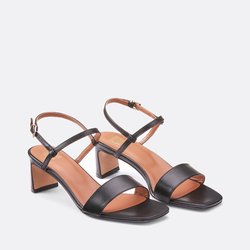
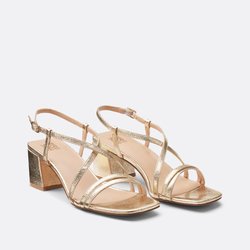
Metallic finishes such as gold can work well for events because they pair easily with many colours, from navy and blush to green and cream. If your occasionwear changes from one event to the next, gold heeled sandals often offer more flexibility than a strongly coloured pair. For daytime dressing, black remains one of the easiest shades to wear again and again, especially with tailoring, dark denim or printed dresses.
Our selection includes sandals in a wide range of colours, from black, neutral and grey tones to metallic and seasonal shades, making it easier to match your pair to both occasionwear and everyday outfits.
Best styling situations for block heel sandals
One of the strengths of block heel sandals is that they work across different parts of your week. If you want a pair for office lunches after meetings, look for a clean design in black, tan or muted grey. A sandal with two supportive straps and a medium heel will usually work well with cropped cigarette trousers, a sleeveless midi dress or a blazer-and-skirt combination. In practical terms, that means you can walk between work settings without feeling over-dressed or under-supported.
For a more relaxed plan, pairing block heel sandals with sundresses for weekend brunches is an easy option. A woven or leather style in cream, tan, gold or soft grey can lighten floral prints and cotton dresses without the formality of a court shoe. If you prefer a neutral wardrobe, options similar in spirit to beige heels can slot into many outfits while keeping the look summery.
For weddings, comfort tends to become more valuable as the day goes on. A secure ankle strap, cushioned footbed and stable block heel can help if you know you will be standing for speeches and dancing later. If you usually wear grey heeled sandals or metallic evening shoes, a block heel version may give the same dressed-up finish with better wearability.
Comparing block heel sandals with other sandal styles
If you are still deciding, it can help to compare block heel sandals with the other styles you already wear. Flat sandals are practical, but they may not give the lift or outfit structure you want for smarter plans. Slim-heel sandals can look striking, yet they are often less forgiving over long hours.
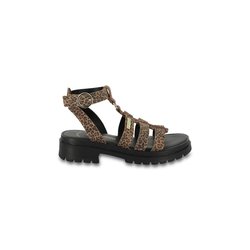
For example, if you like the open look of gladiator sandals heels, a block-heeled version may feel steadier than a thinner heel with the same strap pattern. If you already wear flat gladiator sandals on holiday, moving to a low block heel can be a simple way to dress up the same overall look for dinners or summer parties.
Likewise, if your wardrobe already includes neutral dress shoes such as beige heels, block heel sandals can offer a more breathable option for warm weather. And if you usually rely on black suede shoes women's styles in autumn and winter, a black leather or suede sandal can carry that same polished mood into summer occasions.
Care tips that help your sandals last and stay comfortable
Good care is not only about appearance. It also helps maintain comfort. A worn sole, stretched strap or marked footbed can change the way sandals feel on your feet. After each wear, check for early signs of rubbing at the lining or pressure around the buckle holes.
- Wipe leather uppers with a soft dry or slightly damp cloth after wear.
- Use a suitable protector on suede before first wear, especially for event shoes.
- Let sandals air out after a long day to reduce moisture build-up.
- Store pairs upright or in boxes so the straps keep their shape.
- Replace worn heel tips promptly to maintain stability.
If you have bought your pair in a sale, it is still worth giving them the same care as full-price shoes. A quick routine helps you save money in the long run because your sandals stay presentable for more than one season. Before a wedding or event, wear them indoors for short periods to spot any pressure points early rather than discovering them halfway through the evening.
Small buying details that make a big difference
When you are making a purchase decision, the finishing details often matter more than the trend label. Look for lining softness, buckle placement, sole grip and whether the sandal bends slightly at the front where your foot naturally moves. These are the points that determine whether a pair is simply attractive in a product photo or genuinely easy to wear.
If you are shopping for a new pair this season, think about where you will wear them first. A black leather block heel may suit work and dinners. A gold or metallic pair may cover weddings and parties. A platform sandal may give height with a little more underfoot comfort. If your wardrobe is full of printed dresses, neutral colours often offer the most repeat wear. If your outfits are mostly simple black, navy or white, you might enjoy adding a richer shade or a soft suede finish.
At La Redoute, we think the best block heel sandals are the ones that support your plans rather than limit them. Whether you are dressing for brunch, work lunches, parties or long celebrations, the right pair should feel stable, fit well and earn its place through real wear, not just a quick first impression inspired by fashion trends.